
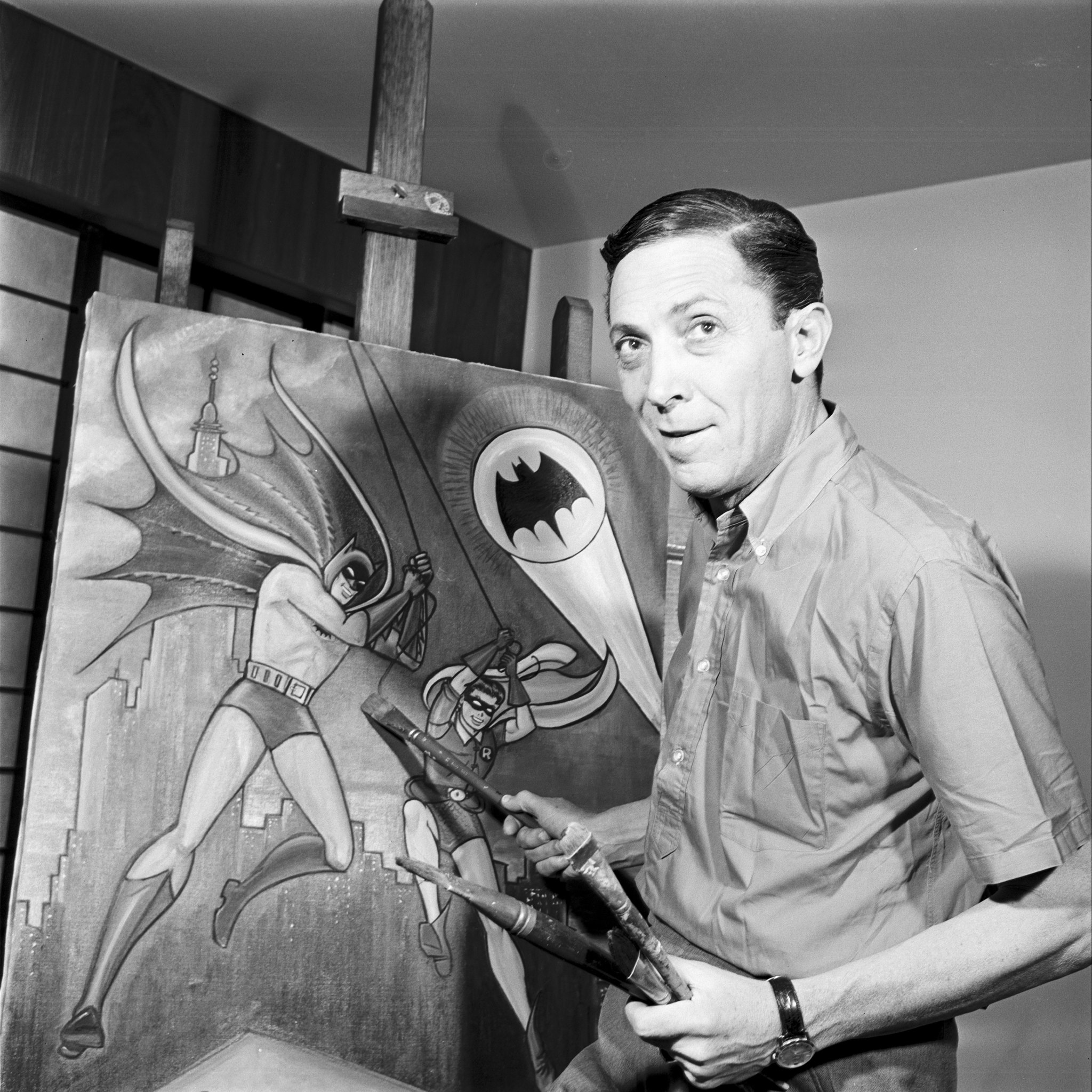
Bob Kane is a name synonymous with the world of comic books, particularly for his role in creating one of the most iconic superheroes of all time, Batman. Born on October 24, 1916, in New York City, Robert Kahn (later known as Bob Kane) would go on to leave an indelible mark on popular culture, though his journey to fame is filled with fascinating nuances and historical contexts that are often overlooked. This article delves into the life of Bob Kane, exploring his age, fame, and significant life highlights, while also offering insights into the complex legacy surrounding his contributions to the comic book industry.
Early Life and the Beginnings of a Comic Book Career
Bob Kane grew up in New York City during the early 20th century, a time when the comic book industry was still in its nascent stages. From a young age, Kane exhibited a passion for drawing and storytelling, which would eventually lead him to pursue a career in the burgeoning field of comic books. After attending DeWitt Clinton High School, where he befriended future comic book legends like Will Eisner, Kane enrolled in the Cooper Union to further hone his artistic skills.
In the mid-1930s, Bob Kane began working for the Eisner-Iger Studio, a company that produced comic book content for various publishers. This period was formative for Kane, as he contributed to several comic strips and honed his craft in the competitive world of pulp magazines and comic books. His early works included characters that have since faded into obscurity, such as Peter Pupp, Hiram Hick, and Bobby.
The Birth of Batman: A Collaborative Effort
The most pivotal moment in Bob Kane’s career came in 1939 when he, inspired by the success of Superman, presented a new character concept to DC Comics. This character, initially called “Bat-man,” was a vigilante dressed as a bat, a hero without superpowers, driven by a personal vendetta against crime following the tragic death of his parents. The creation of Batman was not a solo endeavor, however, and it’s important to acknowledge the crucial contributions of writer Bill Finger.
While Bob Kane provided the initial concept and sketches for Batman, it was Bill Finger who refined the character into the version that would become a global icon. Finger suggested key elements such as Batman’s cowl, cape, and even his alter ego, Bruce Wayne. Despite Finger’s substantial contributions, Kane negotiated a deal with DC Comics that credited only him as the creator of Batman, a decision that has sparked considerable controversy over the years.
The Batman Phenomenon
Batman quickly became a cultural sensation, resonating with audiences due to his complex character and the dark, atmospheric world in which he operated. Unlike Superman, Batman was a hero without superpowers, relying on his intellect, detective skills, and physical prowess to fight crime. This grounded approach made Batman relatable to many readers and set the character apart from other superheroes of the time.
Over the years, Bob Kane continued to work on Batman, although his direct involvement in drawing the character diminished as he outsourced much of the work to ghost artists. Nevertheless, Kane’s name remained prominently associated with Batman, and he enjoyed the fame and financial success that came with the character’s popularity. The Batman franchise expanded to include a host of supporting characters and villains, many of whom, like Robin, the Joker, Catwoman, and the Penguin, have become as iconic as Batman himself.
Hollywood and the Expansion of Batman’s Legacy
In the 1950s, Bob Kane was invited to Hollywood, where he was involved in creating characters for animated series. While these endeavors, such as “Courageous Cat” and “Cool McCool,” did not achieve the same level of success as Batman, they demonstrated Kane’s ability to adapt his talents to different mediums. However, it was the 1960s Batman television series that truly cemented Batman’s status as a cultural icon.
The 1966 Batman TV show, with its campy tone and memorable performances, introduced Batman to a new generation of fans and ensured that the character remained a fixture in popular culture. Bob Kane was actively involved in the show’s production, which helped to elevate his public profile even further.
The Complex Legacy of Bob Kane
While Bob Kane is celebrated as the creator of Batman, his legacy is not without controversy. The decision to exclude Bill Finger from official credit for Batman’s creation has been a point of contention among comic book historians and fans alike. It wasn’t until decades later, after Finger’s death in 1974, that DC Comics began to acknowledge his role in Batman’s creation, adding “Batman created by Bob Kane with Bill Finger” to the credits of Batman-related media.
Bob Kane’s career post-Batman was marked by a focus on managing and promoting his legacy. He moved to Hollywood, where he lived out his later years in relative luxury, far removed from the struggles faced by many of his peers in the comic book industry. Kane was known for his affable personality and for maintaining a strong presence in the media, often giving interviews and making public appearances to discuss his work.
Death and Posthumous Recognition
Bob Kane passed away on November 3, 1998, at the age of 82. His death marked the end of an era for the comic book industry, but the character he helped create has only grown in popularity. Batman remains one of the most enduring and influential superheroes, with a legacy that spans comic books, television, film, and merchandise.
In the years following his death, there has been a growing movement to recognize the contributions of the many unsung heroes who played a role in Batman’s creation and evolution. Bill Finger, in particular, has received posthumous recognition for his work, with DC Comics officially crediting him alongside Kane.
Conclusion: The Legacy of Bob Kane
Bob Kane’s life and career are emblematic of the complexities and contradictions inherent in the creation of pop culture icons. While Kane undoubtedly played a pivotal role in bringing Batman to life, his legacy is intertwined with the contributions of others, most notably Bill Finger, who helped shape the character into the enduring symbol of justice that he is today.
Kane’s ability to market and manage his creation ensured that he remained in the public eye and reaped the financial rewards of Batman’s success. However, the full story of Batman’s creation is a reminder that even the most iconic characters are often the result of collaboration and that the credit for their success should be shared among all those who contributed to their development.
As we continue to celebrate Batman and his place in popular culture, it is important to remember the contributions of both Bob Kane and the many others who helped to make Batman the legend he is today. The story of Batman’s creation is a testament to the power of creativity, collaboration, and the enduring appeal of a hero who, despite having no superpowers, continues to inspire millions around the world.


