
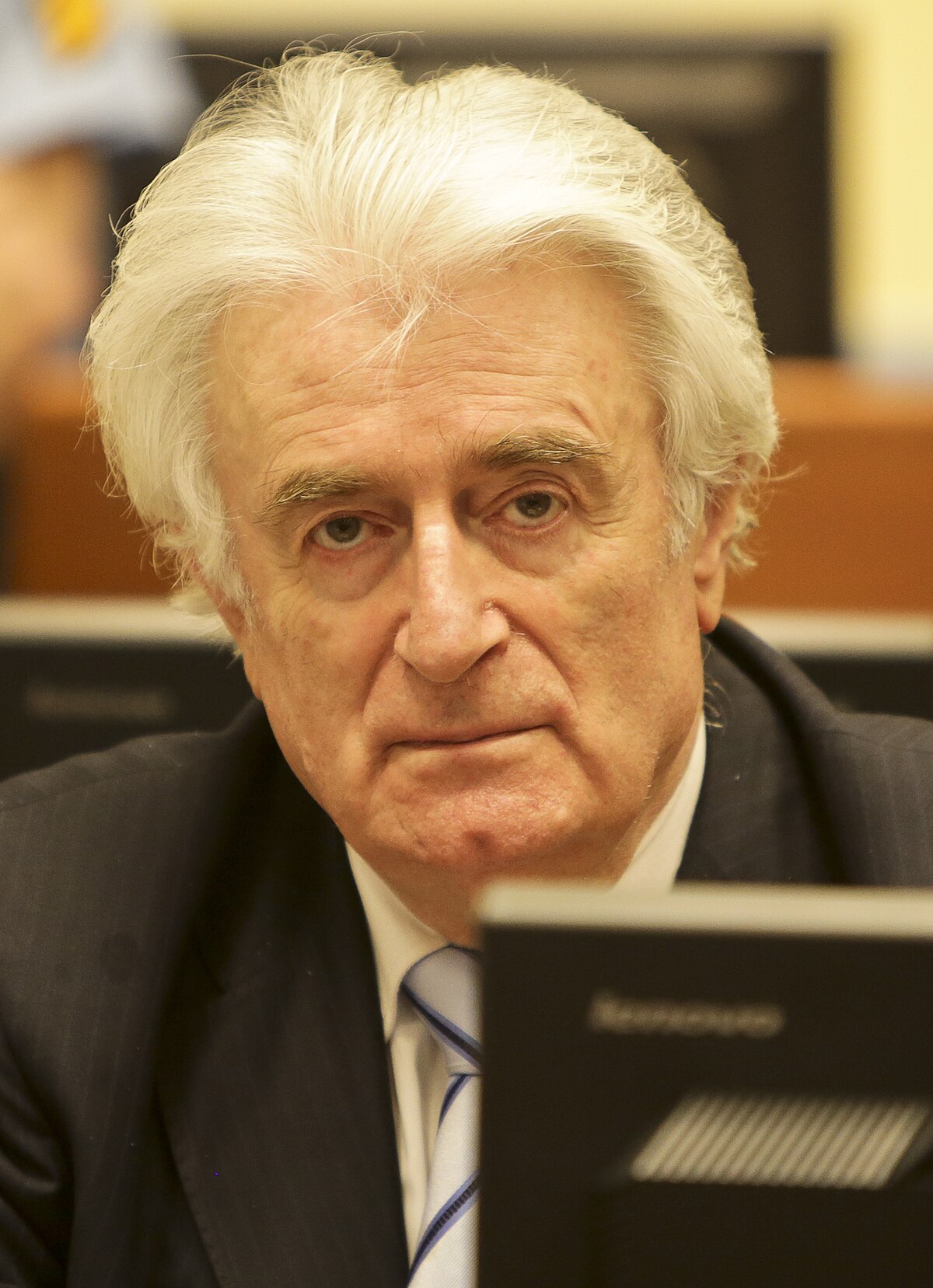
Radovan Karadžić, born on June 19, 1945, in Petnjica, a small village in Montenegro, is a figure whose life is marked by both a prominent political career and a dark legacy of war crimes. As the former President of Republika Srpska, Karadžić played a crucial role in the Bosnian War, and his actions have had profound and lasting implications for the region and the world. This article explores the life and legacy of Radovan Karadžić, providing detailed insights into his rise to prominence, his involvement in the Bosnian conflict, and the subsequent impact of his actions on global justice.
Early Life and Education
Radovan Karadžić was born in Petnjica, a village in what was then the Kingdom of Yugoslavia. He grew up in a tumultuous political environment, which shaped his views and ambitions. Karadžić initially pursued a career in medicine, studying at the University of Sarajevo, where he earned his degree in 1971. His early professional life as a psychiatrist was marked by his involvement in the Yugoslav National Army and his increasing engagement in nationalist politics.
Karadžić’s early political career was characterized by his alignment with Serbian nationalist ideologies. His engagement with various political groups and his writings reflected his growing commitment to the cause of Serbian nationalism, which would later become a driving force in his political actions.
Political Ascent and the Bosnian War
The dissolution of Yugoslavia in the early 1990s created a power vacuum and heightened ethnic tensions across the region. Radovan Karadžić emerged as a prominent figure in this chaotic period, becoming the leader of the Bosnian Serb political party, the Serbian Democratic Party (SDS). His leadership in the SDS and his staunch nationalist rhetoric positioned him as a key player in the burgeoning conflict.
In 1992, Karadžić declared the independence of Republika Srpska, a self-proclaimed Bosnian Serb entity, which led to the outbreak of the Bosnian War. As the President of Republika Srpska, Karadžić wielded considerable influence over the Bosnian Serb military and political apparatus. His tenure was marked by a series of aggressive policies aimed at creating an ethnically homogeneous Serbian state, which included the widespread use of ethnic cleansing, violence, and intimidation against non-Serb populations.
The Siege of Sarajevo and Srebrenica Massacre
One of the most notorious events associated with Karadžić’s leadership was the Siege of Sarajevo, which began in April 1992 and lasted nearly four years. Under Karadžić’s command, Bosnian Serb forces conducted a brutal siege of the city, which involved indiscriminate shelling and sniper attacks on civilians. The siege caused immense suffering and loss of life, with thousands of casualties and widespread destruction.
Another significant atrocity during Karadžić’s leadership was the Srebrenica massacre in July 1995. Srebrenica, a UN-designated safe area, was overrun by Bosnian Serb forces led by General Ratko Mladić. The massacre resulted in the systematic execution of more than 8,000 Bosniak men and boys. Karadžić’s role in this massacre, along with his broader policies of ethnic cleansing, was a focal point of international condemnation and led to charges of genocide and war crimes.
International Response and Indictment
The international community responded to the atrocities committed during the Bosnian War with increasing alarm. In 1993, the International Criminal Tribunal for the Former Yugoslavia (ICTY) was established by the United Nations to address war crimes and crimes against humanity committed during the conflict. Karadžić was indicted by the ICTY in 1995, facing charges that included genocide, war crimes, and crimes against humanity.
Despite being indicted, Karadžić managed to evade capture for over a decade. During this time, he lived in hiding under various aliases, continuing to exert influence through his writings and speeches. His fugitive status became a symbol of the challenges faced by the international community in holding perpetrators of war crimes accountable.
Arrest and Trial
In July 2008, Karadžić was finally arrested in Serbia after being on the run for 13 years. His capture was a significant milestone for the ICTY and the broader pursuit of justice for the victims of the Bosnian War. Karadžić was transferred to The Hague, where he faced trial for the numerous charges against him.
The trial, which began in 2009, was a landmark event in international criminal justice. Karadžić’s defense strategy included attempts to deny the charges and challenge the legitimacy of the tribunal. However, the evidence presented by the prosecution, including testimonies from survivors and documentary evidence, painted a damning picture of his actions and leadership during the Bosnian War.
In March 2016, Karadžić was found guilty on 10 of the 11 charges, including genocide, war crimes, and crimes against humanity. He was sentenced to 40 years in prison. The verdict was a momentous occasion for the victims and their families, offering a measure of justice for the crimes committed during the Bosnian War.
Legacy and Impact
Radovan Karadžić’s life and actions have had a profound impact on both the Balkans and the international community. His role in the Bosnian War and the atrocities committed under his leadership have left an enduring scar on the region, with lasting implications for ethnic relations and reconciliation efforts.
The international response to Karadžić’s crimes reflects broader efforts to address war crimes and promote justice in post-conflict societies. His trial and conviction were significant achievements for the ICTY and the international legal system, demonstrating the global commitment to holding individuals accountable for serious crimes.
However, the legacy of Karadžić also highlights the ongoing challenges of achieving justice and reconciliation in the aftermath of ethnic conflict. The wounds inflicted during the Bosnian War continue to affect the region, and efforts to address the legacies of violence and displacement remain ongoing.
Conclusion
Radovan Karadžić’s life is a complex and contentious chapter in modern history. His rise from a medical professional to a political leader and his role in one of Europe’s most devastating conflicts reflect the turbulent nature of the Yugoslav Wars. His actions, which included widespread ethnic cleansing and mass murder, have had a lasting impact on the Balkans and the international legal landscape.
Karadžić’s eventual capture and conviction were significant milestones in the pursuit of justice for the victims of the Bosnian War. While his life and actions continue to be a subject of debate and analysis, his legacy underscores the importance of accountability and the ongoing need for reconciliation in post-conflict societies.
For further details on Radovan Karadžić’s life and achievements, including comprehensive biographies and historical analyses, visit sources like Biography Online.


