
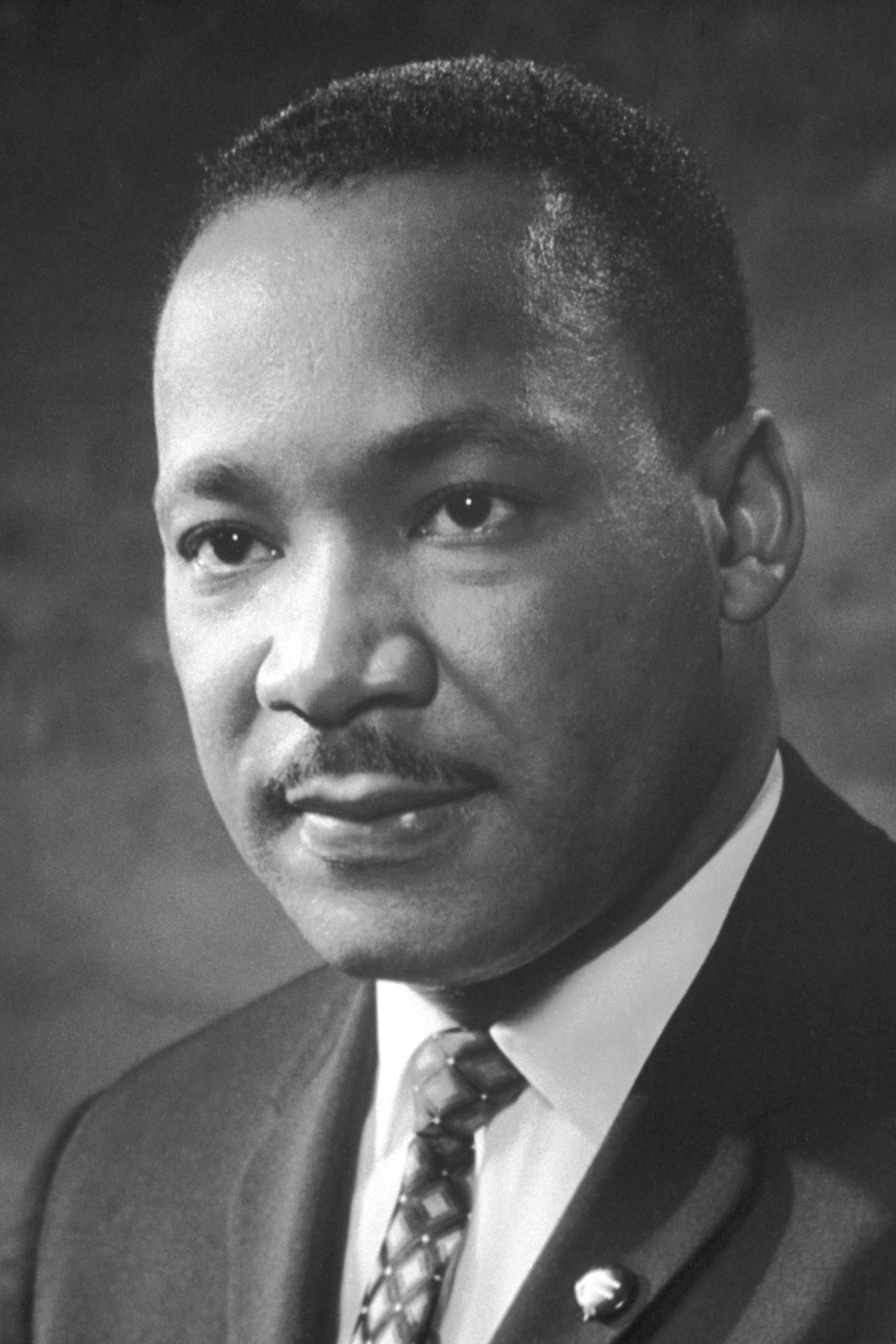
Martin Luther King Jr. is a name synonymous with the struggle for civil rights and social justice. His profound impact on American society and the global movement for equality is well-documented and continues to inspire new generations. This article explores his life, detailing his age, rise to fame, major achievements, and the historical context that shaped his enduring legacy.
Early Life and Education
Early Life
Born on January 15, 1929, in Atlanta, Georgia, Martin Luther King Jr. was raised in a deeply religious family. His father, Martin Luther King Sr., was a prominent Baptist minister, and his mother, Alberta Williams King, was a former schoolteacher. King Jr. grew up in the heart of the segregated South, where racial discrimination was a daily reality. His early experiences with racism and injustice profoundly influenced his worldview and commitment to civil rights.
King’s upbringing was characterized by a strong emphasis on education and moral values. He attended Morehouse College, where he was influenced by the teachings of social gospel theology and the principles of nonviolent resistance. These influences would later shape his approach to the civil rights movement.
Education
King’s academic journey was marked by excellence and ambition. After graduating from Morehouse College in 1948 with a degree in sociology, he went on to earn a Bachelor of Divinity degree from Crozer Theological Seminary in 1951. His time at Crozer was pivotal, as he encountered influential mentors and developed his philosophy of nonviolent resistance.
In 1955, King completed his doctoral studies at Boston University, earning a Ph.D. in systematic theology. His dissertation, which explored the concept of love in the teachings of Paul Tillich, reflected his deep commitment to ethical and philosophical principles. This academic background provided a strong foundation for his later work as a civil rights leader and advocate.
Rise to Prominence
Early Activism
King’s rise to prominence began in the mid-1950s when he became a key figure in the Montgomery Bus Boycott. In 1955, Rosa Parks, an African American woman, was arrested for refusing to give up her seat on a segregated bus in Montgomery, Alabama. King, then a young pastor at the Dexter Avenue Baptist Church, was chosen to lead the boycott that followed. His leadership and eloquence were instrumental in the success of the boycott, which lasted for over a year and led to the desegregation of Montgomery’s public transportation system.
The success of the Montgomery Bus Boycott catapulted King into the national spotlight and established him as a leading voice in the civil rights movement. His ability to mobilize communities and articulate the principles of nonviolent resistance made him a prominent figure in the struggle for racial equality.
The Southern Christian Leadership Conference (SCLC)
In 1957, King co-founded the Southern Christian Leadership Conference (SCLC), an organization dedicated to advancing civil rights through nonviolent means. As president of the SCLC, King worked to coordinate and support civil rights activities across the South. The organization played a crucial role in organizing protests, demonstrations, and voter registration drives, contributing significantly to the movement’s success.
King’s leadership of the SCLC was marked by his strategic approach to civil rights activism, emphasizing the importance of grassroots organizing and nonviolent resistance. The SCLC’s efforts under King’s guidance helped to mobilize widespread support for civil rights legislation and social change.
Major Achievements
The “I Have a Dream” Speech
One of King’s most enduring contributions to the civil rights movement was his “I Have a Dream” speech, delivered on August 28, 1963, during the March on Washington for Jobs and Freedom. This iconic speech, delivered from the steps of the Lincoln Memorial, is remembered for its powerful vision of racial harmony and equality. King’s eloquence and passionate delivery resonated deeply with millions of Americans and people around the world.
The speech articulated King’s vision of a future where individuals would be judged by the content of their character rather than the color of their skin. It became a defining moment in the civil rights movement and a symbol of the struggle for racial justice.
The Civil Rights Act of 1964
King’s activism was instrumental in the passage of the Civil Rights Act of 1964, a landmark piece of legislation that prohibited discrimination based on race, color, religion, sex, or national origin. The Act represented a significant victory for the civil rights movement and addressed many of the injustices that King and his allies had been campaigning against.
King’s leadership and advocacy were crucial in generating the political will needed to pass the legislation. His ability to mobilize public opinion and apply pressure on lawmakers played a key role in the Act’s successful passage through Congress.
The Nobel Peace Prize
In 1964, Martin Luther King Jr. was awarded the Nobel Peace Prize for his nonviolent efforts to combat racial inequality. The award recognized his commitment to peaceful resistance and his contributions to the global struggle for human rights. King’s acceptance of the Nobel Peace Prize was a testament to the international recognition of his work and the impact of his message of nonviolence.
Personal Life
Family Life
King married Coretta Scott in 1953, and the couple had four children: Yolanda, Martin III, Dexter, and Bernice. Coretta Scott King was a dedicated partner in his work, supporting his activism and contributing to the civil rights movement. The couple’s relationship was marked by mutual respect and a shared commitment to social justice.
Challenges and Controversies
King’s life was not without challenges and controversies. His activism faced resistance from various quarters, including opposition from segregationists and criticism from within the civil rights movement itself. Additionally, King’s efforts to address economic inequality and opposition to the Vietnam War brought further scrutiny and criticism.
Despite these challenges, King remained steadfast in his commitment to justice and equality. His ability to navigate the complexities of the civil rights movement and address pressing social issues contributed to his enduring legacy.
Legacy and Influence
Impact on Civil Rights and Social Justice
Martin Luther King Jr.’s legacy is profound and far-reaching. His advocacy for civil rights and social justice has left an indelible mark on American society and the global movement for human rights. His principles of nonviolence and civil disobedience continue to inspire activists and leaders around the world.
King’s work paved the way for subsequent advancements in civil rights and social justice. His contributions to the movement were instrumental in achieving legislative changes and fostering greater awareness of racial and economic inequalities.
Commemoration and Memorials
King’s contributions have been commemorated through various memorials and tributes. The Martin Luther King Jr. Memorial, located on the National Mall in Washington, D.C., stands as a testament to his legacy. The memorial features a striking statue of King and inscriptions of his most famous quotes, serving as a reminder of his enduring impact.
Additionally, Martin Luther King Jr. Day, observed annually on the third Monday in January, is a federal holiday that honors his life and contributions. The holiday serves as a time for reflection on his achievements and the ongoing work needed to address social justice issues.
Continuing Relevance
King’s message of equality, justice, and nonviolence remains relevant in contemporary discussions about civil rights and social justice. His teachings and example continue to resonate with individuals and movements advocating for change. The principles he championed are reflected in ongoing efforts to address racial disparities, economic inequality, and human rights abuses.
Conclusion
Martin Luther King Jr.’s life and work represent a landmark chapter in the struggle for civil rights and social justice. His contributions to the movement were marked by profound dedication, strategic insight, and a commitment to nonviolent resistance. King’s legacy endures through his impact on legislation, his inspirational speeches, and his continued relevance in contemporary discussions about equality and justice. His life serves as a powerful reminder of the transformative potential of dedicated activism and the enduring pursuit of social justice.


