
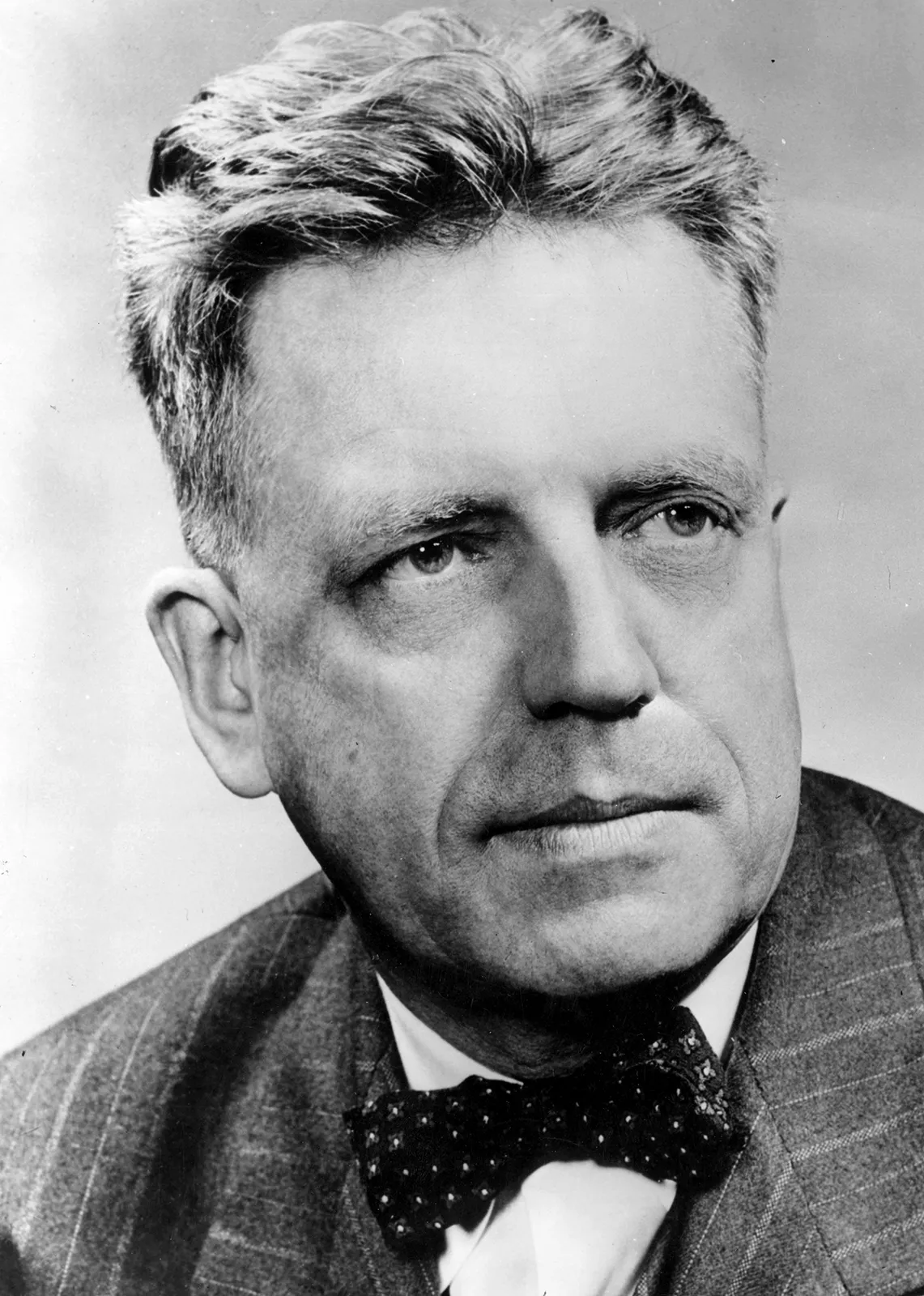
Alfred Kinsey, an influential figure in the study of human sexuality, reshaped our understanding of sexual behavior through his groundbreaking research. This article delves into his life, exploring his age, rise to fame, major achievements, and the historical context that defined his career.
Early Life and Education
Early Life
Born on June 23, 1894, in Hoboken, New Jersey, Alfred Charles Kinsey was raised in a conservative, religious family. His father, a Methodist preacher, and his mother, a homemaker, instilled in him a strong moral foundation that would later contrast sharply with his professional work. Kinsey’s early experiences included a fascination with nature and an inclination towards scientific inquiry, which shaped his future academic pursuits.
Education
Kinsey’s academic journey began at Bowdoin College, where he graduated with a degree in biology. His interest in entomology led him to the study of gall wasps, and he conducted significant research on their taxonomy and behavior. This early work established his reputation as a meticulous researcher. Kinsey later earned his Ph.D. in zoology from Harvard University, where he further developed his analytical skills and scientific approach.
Rise to Prominence
Academic Career and Early Research
In 1920, Kinsey joined the faculty of Indiana University as a professor of zoology. His initial research focused on gall wasps, but his career took a pivotal turn when he began exploring human sexuality. Kinsey’s decision to study sexual behavior stemmed from his dissatisfaction with the limited understanding of human sexuality prevalent at the time. He embarked on a comprehensive survey of sexual behavior, which would become the cornerstone of his career.
The Kinsey Reports
Kinsey’s most notable contributions came through his seminal works, known as the Kinsey Reports. The first, Sexual Behavior in the Human Male, was published in 1948. This groundbreaking study provided a detailed analysis of male sexual behavior, challenging prevailing norms and offering a more nuanced understanding of sexuality. The report revealed that sexual practices and desires were far more varied and complex than previously acknowledged.
In 1953, Kinsey published Sexual Behavior in the Human Female, which extended his research to female sexuality. This report was equally revolutionary, uncovering patterns of female sexual behavior that contradicted societal expectations and norms. The Kinsey Reports were pivotal in initiating a broader conversation about sexuality and were instrumental in shaping the field of sex research.
Major Achievements
Impact on Sexual Education and Therapy
Kinsey’s research had profound implications for sexual education and therapy. His findings challenged many of the prevailing assumptions about sexuality and laid the groundwork for more open and informed discussions. His work contributed to the development of sexual therapy and counseling practices, promoting a more accepting and evidence-based approach to sexual health.
Influence on Social and Cultural Norms
The Kinsey Reports played a significant role in shifting societal attitudes towards sexuality. Prior to Kinsey’s research, discussions about sex were often shrouded in taboo and misinformation. His work encouraged greater openness and acceptance, influencing social norms and contributing to the sexual revolution of the 1960s. Kinsey’s research also paved the way for subsequent studies and discussions about sexual orientation, gender identity, and sexual health.
Academic and Professional Recognition
Kinsey’s contributions to science and society earned him numerous accolades and recognition. He was a respected academic and received honorary degrees from various institutions. His work influenced both the scientific community and the general public, cementing his legacy as a pioneering figure in the study of human sexuality.
Personal Life
Family and Relationships
Kinsey married Clara Bracken in 1921, and the couple had two children. Clara was a supportive partner in his research, and their family life was marked by a shared commitment to scientific inquiry and education. Kinsey’s personal experiences and relationships provided him with insights that informed his professional work, though he maintained a strict separation between his private and public life.
Controversies and Challenges
Kinsey’s research was not without controversy. His findings often clashed with conservative moral and religious views, leading to criticism and resistance from various quarters. Despite these challenges, Kinsey remained steadfast in his commitment to scientific inquiry and the pursuit of knowledge. His work faced scrutiny and debate, but it also garnered significant support from those who valued his contributions to the understanding of human sexuality.
Legacy and Influence
Continuing Impact on Sex Research
Kinsey’s legacy endures through the continued relevance of his research and its impact on the field of sexology. His work laid the foundation for subsequent studies on human sexuality, influencing researchers and practitioners in the field. The Kinsey Institute, established at Indiana University, continues to advance research on sexual behavior and health, reflecting Kinsey’s enduring influence.
Cultural and Societal Contributions
Kinsey’s contributions extended beyond academia, affecting cultural and societal attitudes towards sexuality. His work challenged norms and sparked discussions that continue to shape conversations about sexual behavior and identity. The Kinsey Reports remain a seminal reference in the study of human sexuality, illustrating the enduring significance of Kinsey’s research.
Ongoing Debates and Discussions
The discussions and debates surrounding Kinsey’s research highlight the complex interplay between science, ethics, and society. While his work revolutionized the understanding of human sexuality, it also raised questions about the ethical dimensions of sexual research. These debates continue to inform discussions about research practices, ethical considerations, and the societal implications of scientific findings.
Conclusion
Alfred Kinsey’s life and work represent a landmark achievement in the study of human sexuality. His research challenged prevailing norms, reshaped societal attitudes, and laid the groundwork for further exploration of sexual behavior and health. Kinsey’s legacy is a testament to the power of scientific inquiry in expanding our understanding of complex human phenomena. His contributions continue to influence both academic research and public discourse, reflecting the lasting impact of his pioneering work.


