
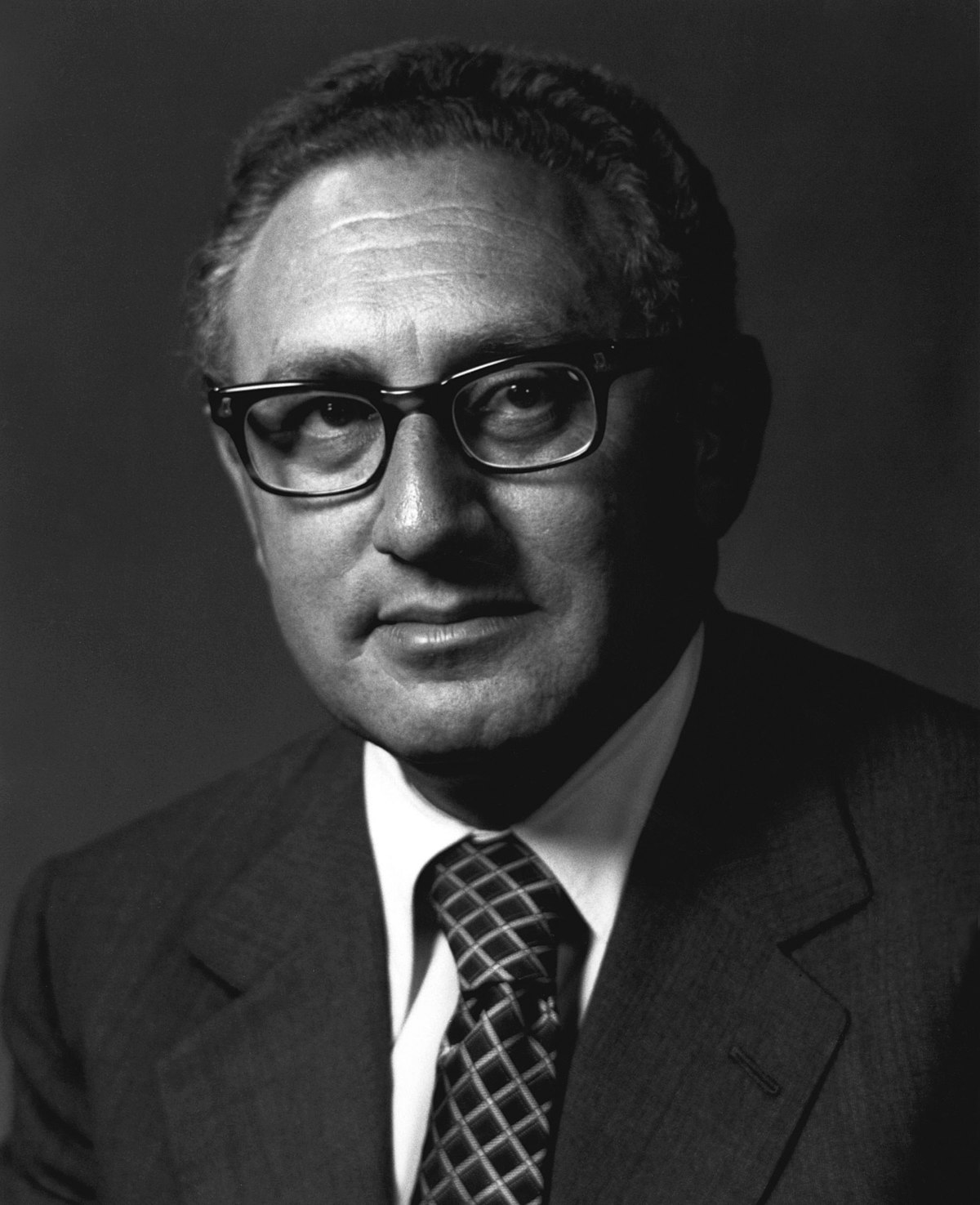
Henry Kissinger, a name synonymous with diplomacy and geopolitical strategy, has left an indelible mark on global politics through his extensive career. This article delves into the life of this influential figure, exploring his age, rise to fame, major achievements, and the nuances that define his legacy.
Early Life and Education
Early Life
Born on May 27, 1923, in Fürth, Germany, Heinz Alfred Kissinger, later known as Henry Kissinger, experienced a childhood marked by upheaval and transformation. Fleeing the Nazi regime, his family emigrated to the United States in 1938, settling in New York. This early experience of displacement and adaptation played a crucial role in shaping his worldview and future career.
Education
Kissinger’s academic journey began at the City College of New York, where he earned a Bachelor’s degree in Political Science. His pursuit of higher education continued at Harvard University, where he obtained both a Master’s and a Ph.D. in Government. His doctoral dissertation, “The Meaning of History,” examined the philosophy of history and reflected his deep intellectual curiosity. These academic achievements laid the groundwork for his later work in diplomacy and international relations.
Rise to Prominence
Early Career and Academic Contributions
Before entering the realm of politics, Kissinger made significant contributions to academia. He taught at Harvard University and became a prominent figure in the field of international relations. His work on nuclear strategy and international diplomacy gained attention, leading to his appointment as a consultant for various governmental and think-tank organizations.
Entry into Politics
Kissinger’s political career took off in the 1960s when he was appointed National Security Advisor by President Richard Nixon in 1969. His strategic acumen was quickly recognized, and he played a pivotal role in shaping U.S. foreign policy during a critical period marked by the Cold War. His approach to diplomacy, characterized by realpolitik, focused on pragmatic and strategic interests rather than ideological considerations.
Major Achievements
Role in U.S.-China Relations
One of Kissinger’s most notable achievements was his role in establishing diplomatic relations between the United States and the People’s Republic of China. His secret visit to China in 1971 paved the way for President Nixon’s historic trip in 1972, which marked the beginning of formal diplomatic ties. This move was instrumental in altering the global balance of power and had lasting implications for international relations.
Middle East Peace Negotiations
Kissinger also made significant contributions to Middle East diplomacy. His shuttle diplomacy in the 1970s helped to broker the disengagement agreements between Israel, Egypt, and Syria following the Yom Kippur War. These efforts laid the groundwork for future peace negotiations and demonstrated his ability to navigate complex geopolitical landscapes.
Nobel Peace Prize
In 1973, Kissinger was awarded the Nobel Peace Prize for his role in negotiating the Paris Peace Accords, which aimed to end the Vietnam War. The award was a testament to his diplomatic skills and his ability to influence international relations at a high level. However, the award was also controversial, as some critics argued that the peace achieved was partial and did not fully resolve the conflict.
Personal Life
Family and Personal Interests
Kissinger married Ann Fleischer in 1949, and the couple had two children, Elizabeth and David. Ann Kissinger’s support was crucial throughout his career, and their family life provided a stable foundation for his public endeavors. Kissinger has also been involved in various cultural and academic institutions, reflecting his broad intellectual interests beyond politics.
Public Perception and Controversies
Kissinger’s career has been marked by both acclaim and controversy. His realpolitik approach and the secretive nature of some of his negotiations have led to criticism and debate. Accusations related to his involvement in controversial events such as the U.S. bombing of Cambodia and the Chilean coup have fueled ongoing discussions about his legacy. Despite this, he remains a highly influential figure in the field of international relations.
Recent Activities and Legacy
Continued Influence
Even after his tenure in government, Kissinger continued to be an influential voice in global affairs. He has written extensively on international diplomacy and served as an advisor to various administrations. His books and articles reflect his deep understanding of global politics and his enduring impact on the field.
Legacy
Henry Kissinger’s legacy is complex and multifaceted. He is celebrated for his strategic brilliance and his role in reshaping international relations during the Cold War. At the same time, his career is scrutinized for the ethical implications of some of his decisions. Regardless of these debates, his contributions to diplomacy and global strategy are undeniable.
Conclusion
Henry Kissinger’s life and career offer a fascinating glimpse into the world of high-stakes diplomacy and international politics. From his early life in Germany to his role in shaping U.S. foreign policy, Kissinger’s achievements and controversies continue to shape discussions about global strategy and diplomacy. His influence extends beyond his tenure in government, leaving a lasting impact on international relations and political thought.


