
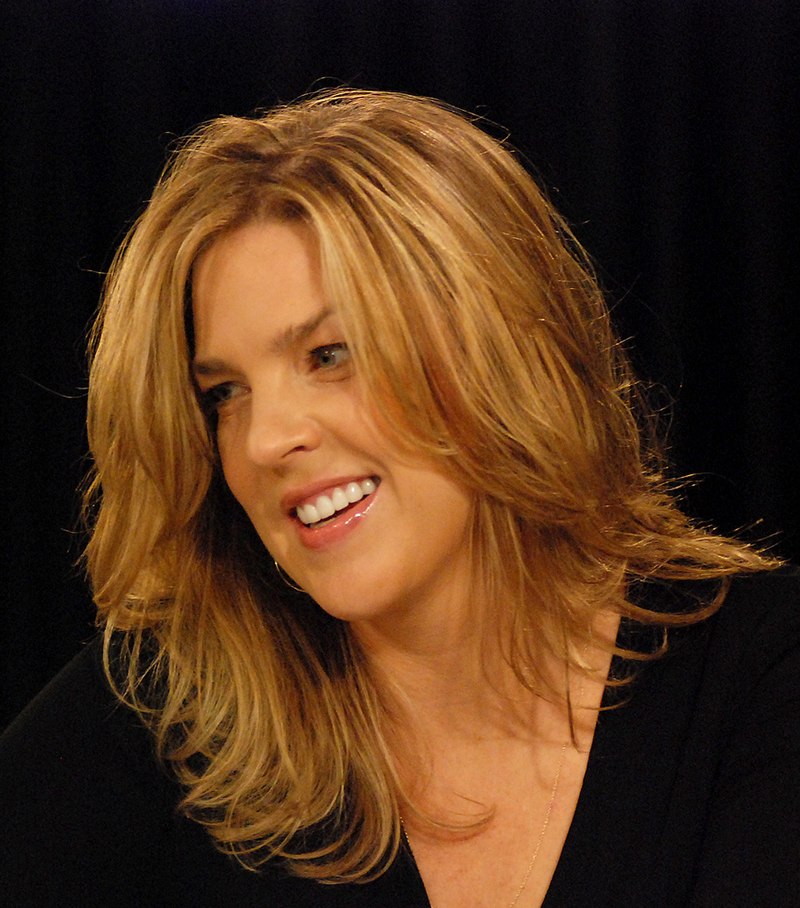
Diana Krall is a name that resonates profoundly in the world of jazz and popular music. Born on November 16, 1964, in Nanaimo, British Columbia, Canada, Krall has become one of the most celebrated jazz pianists and singers of her generation. Her story is one of prodigious talent, hard work, and a deep love for music that has carried her from the small town of Nanaimo to the world’s grandest stages. This article delves into her life, career, and the milestones that have defined her journey to fame.
Early Life and Musical Beginnings
Diana Jean Krall was born into a musically inclined family. Her mother, Adella, was an elementary school teacher, while her father, Stephen James Krall, was not only a serious piano enthusiast but also a collector of jazz records. It was no surprise that Diana began playing the piano at the tender age of four. Her father’s influence, coupled with the musical environment at home, nurtured her early passion for jazz.
By the time she was fifteen, Krall was already performing jazz standards at a local restaurant. These early performances laid the foundation for her future career, giving her the confidence and experience to pursue music professionally.
Education and Early Career
Krall’s musical journey took a significant turn when she was awarded a scholarship to study at the prestigious Berklee College of Music in Boston. Here, she honed her skills, immersing herself in the intricacies of jazz piano and vocal techniques. Berklee was a crucial stepping stone, providing her with the formal education and exposure needed to thrive in the competitive music industry.
After her time at Berklee, Krall moved to Los Angeles, where she continued to immerse herself in the jazz scene. She performed at various venues, gradually building a reputation as a talented pianist and vocalist. However, it wasn’t until she returned to Canada in 1993 that her career truly began to take off.
Breakthrough and Early Albums
In 1993, Diana Krall recorded her debut album, Stepping Out, with the help of bassist John Clayton and drummer Jeff Hamilton. The album showcased her impeccable piano skills and smooth, sultry voice, capturing the attention of jazz enthusiasts and critics alike. The success of Stepping Out caught the eye of producer Tommy LiPuma, who would go on to become a significant figure in Krall’s career.
Two years later, in 1995, Krall released her second album, Only Trust Your Heart, under LiPuma’s production. The album continued to build on the momentum of her debut, showcasing her growing confidence and musical maturity. However, it was her third album, All for You: A Dedication to the Nat King Cole Trio, released in 1996, that marked her breakthrough into the mainstream. The album was a commercial success, earning her a Grammy nomination and staying on the Billboard Jazz chart for an impressive 70 weeks.
This album not only paid homage to one of her major influences, Nat King Cole, but also established Krall as a leading figure in contemporary jazz. Her ability to reinterpret classic jazz standards while infusing them with her unique style set her apart from her peers.
Rise to Fame: The Late 1990s and Early 2000s
Diana Krall’s rise to fame continued with the release of Love Scenes in 1997. The album featured a trio setting with Christian McBride on bass and Russell Malone on guitar. Love Scenes was a commercial success, further solidifying Krall’s reputation as a top-tier jazz artist.
In 1999, Krall took a bold step by incorporating orchestral arrangements into her music with the album When I Look in Your Eyes. Produced by Tommy LiPuma and featuring arrangements by Johnny Mandel, the album was a critical and commercial success. It earned Krall her first Grammy Award for Best Jazz Vocal Performance and was also nominated for Album of the Year—a rare achievement for a jazz record.
The success of When I Look in Your Eyes marked a turning point in Krall’s career, expanding her audience beyond jazz aficionados to include mainstream listeners. The album’s lush, cinematic soundscapes and Krall’s evocative vocals made it a crossover hit, reaching the top ten on the Billboard 200 chart.
Krall’s momentum continued into the new millennium with the release of The Look of Love in 2001. Once again produced by LiPuma, the album featured orchestral arrangements by Claus Ogerman and became one of Krall’s most successful records, achieving platinum status. The title track, a cover of a classic song popularized by Dusty Springfield and Sérgio Mendes in the 1960s, became one of Krall’s signature songs.
That same year, Krall embarked on a world tour, and her performance at the Olympia in Paris was recorded and released as her first live album, Live in Paris (2002). The album included standout tracks like a cover of Joni Mitchell’s “A Case of You” and Billy Joel’s “Just the Way You Are.” Live in Paris won a Grammy for Best Jazz Vocal Album and remains one of Krall’s most acclaimed works.
Personal Life: Marriage and Family
In the early 2000s, Diana Krall’s life was marked by both personal and professional milestones. In 2002, she faced a deep personal loss with the passing of her mother. The following year, however, brought joy when she married British musician Elvis Costello in a ceremony held at Elton John’s estate outside London.
The marriage to Costello, a celebrated singer-songwriter and musician, brought together two of the music industry’s most respected talents. The couple collaborated on several projects, with Costello contributing lyrics to Krall’s 2004 album The Girl in the Other Room. This album marked a departure from Krall’s previous work, featuring more original compositions and a contemporary sound. It was well-received, reaching the top five in the UK and solidifying Krall’s versatility as an artist.
In December 2006, Krall and Costello welcomed twin sons, Dexter Henry Lorcan and Frank Harlan James, into the world. Balancing her career with motherhood, Krall continued to release music and perform, though she became more selective about her projects, focusing on maintaining a balance between her professional and personal life.
Continued Success and Later Albums
The late 2000s and 2010s saw Diana Krall continuing to build on her success while exploring new musical directions. In 2006, she released From This Moment On, an album that returned to her jazz roots with a collection of standards performed with a big band. The album was another commercial success and showcased Krall’s enduring appeal as a jazz vocalist and pianist.
In 2009, Krall released Quiet Nights, an album inspired by the bossa nova sounds of Brazil. The album, produced by Tommy LiPuma, featured lush orchestral arrangements and a laid-back, intimate feel. Quiet Nights was a critical and commercial success, earning Krall another Grammy Award, this time for Best Instrumental Arrangement Accompanying Vocalist.
In addition to her solo work, Krall has also been involved in collaborative projects. She produced Barbra Streisand’s album Love Is the Answer in 2009, further showcasing her talents as a producer and arranger.
The 2010s saw Krall continue to explore new musical territory with albums like Glad Rag Doll (2012), which featured a mix of jazz, blues, and early 20th-century pop songs, and Wallflower (2015), which included covers of contemporary pop and rock songs. Wallflower was produced by David Foster and featured tracks by artists like The Eagles, Elton John, and Gilbert O’Sullivan. The album demonstrated Krall’s ability to reinterpret a wide range of musical styles while maintaining her distinctive voice and artistry.
Legacy and Influence
Diana Krall’s influence on the world of jazz and popular music is profound. Over the course of her career, she has sold millions of albums worldwide, won multiple Grammy Awards, and earned the admiration of fans and critics alike. Her ability to blend traditional jazz with contemporary influences has made her a unique and enduring figure in the music industry.
Krall’s success has also paved the way for other female jazz musicians, showing that it is possible to achieve mainstream success while staying true to the roots of jazz. Her contributions to the genre have been recognized with numerous honors, including being named an Officer of the Order of Canada in 2005 for her “superb jazz performances” and her ability to attract legions of fans around the world.
Beyond her musical achievements, Krall’s life is a testament to the power of resilience and dedication. Despite personal losses and the challenges of balancing a demanding career with family life, Krall has continued to push the boundaries of her art, constantly evolving and experimenting with new sounds and ideas.
Conclusion
Diana Krall’s journey from a small town in British Columbia to the global stage is a remarkable story of talent, hard work, and a deep love for music. Her contributions to jazz and popular music have left an indelible mark on the industry, and her influence continues to inspire new generations of musicians.
As she continues to perform and record, Diana Krall remains a vital and influential figure in the world of music, a true artist who has stayed true to her roots while always looking forward. Her life and career are a reminder that with passion, dedication, and a willingness to take risks, one can achieve great things and leave a lasting legacy.


