
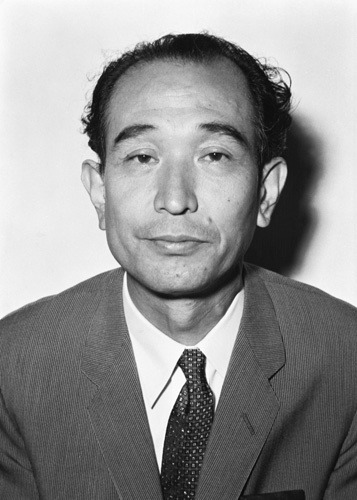
Akira Kurosawa is a name that stands tall in the annals of global cinema. Known as one of the most influential filmmakers in the history of cinema, Kurosawa’s works have transcended the boundaries of Japan, earning him acclaim across the world. His unique style, innovative storytelling, and profound influence on both Eastern and Western cinema make his life and career a subject of deep interest. In this article, we will explore Kurosawa’s age, the trajectory of his fame, and the significant highlights of his illustrious career, with a nuanced understanding of his historical context and legacy.
Early Life and Background
Akira Kurosawa was born on March 23, 1910, in Tokyo, Japan, into a family that was relatively affluent and culturally sophisticated. He was the youngest of eight children, and his upbringing was marked by a blend of traditional Japanese values and Western influences. This cultural duality would later become a defining element of his cinematic style.
Kurosawa’s father, Isamu, was a former military officer who later became the director of a junior high school. His mother, Shima, was a homemaker. The Kurosawa household valued education and the arts, with his father encouraging his children to watch films, a somewhat progressive stance at a time when cinema was still considered a lower form of entertainment in Japan.
Kurosawa’s early exposure to Western literature and cinema played a crucial role in shaping his artistic sensibilities. He was particularly influenced by Russian literature, with authors like Dostoevsky and Tolstoy leaving a lasting impact on him. This influence would later be evident in the moral and philosophical themes that pervade his films.
Kurosawa’s Entry into the Film Industry
Kurosawa initially pursued a career in painting, but after struggling to find success, he turned his attention to the burgeoning Japanese film industry. In 1936, Kurosawa joined the Photo Chemical Laboratories (P.C.L.), which later became part of Toho Studios, as an assistant director. This period of apprenticeship allowed him to learn the intricacies of filmmaking under the guidance of directors like Kajiro Yamamoto.
Kurosawa’s early years in the industry were marked by his work as an assistant director and scriptwriter. He gained a reputation for his meticulous attention to detail and his ability to infuse depth into the stories he worked on. His big break came in 1943 when he directed his first feature film, Sugata Sanshiro (Judo Saga), a tale about the rise of a judo master. The film was a commercial success and marked the beginning of Kurosawa’s long and storied career.
Rise to Fame: The Golden Age of Kurosawa
The post-war period was a transformative time for Kurosawa, both as an artist and as a filmmaker. His film Rashomon (1950) catapulted him to international fame, winning the Golden Lion at the Venice Film Festival and an Academy Award for Best Foreign Language Film. The film’s narrative structure, which told the same story from multiple perspectives, was groundbreaking and introduced the world to the concept of the “Rashomon effect,” a term now used to describe the phenomenon of conflicting reports from different witnesses.
Following Rashomon, Kurosawa continued to produce a series of critically acclaimed films that solidified his reputation as a master filmmaker. His next major work, Ikiru (1952), is often considered one of his most profound films. It tells the story of a dying bureaucrat who seeks to find meaning in his life by building a playground in a Tokyo slum. The film’s exploration of mortality, purpose, and redemption resonated deeply with audiences and critics alike.
Perhaps Kurosawa’s most famous film, Seven Samurai (1954), was a landmark in cinematic history. This epic tale of a group of samurai defending a village from bandits not only showcased Kurosawa’s skill in directing action sequences but also highlighted his ability to create complex characters and explore themes of honor, duty, and sacrifice. The film’s influence extended far beyond Japan, inspiring countless filmmakers and being remade as the Hollywood western The Magnificent Seven.
Significant Career Highlights
Kurosawa’s career is marked by numerous significant films, each contributing to his legacy in different ways. His ability to blend Eastern and Western cinematic traditions is perhaps best exemplified in Yojimbo (1961) and its sequel Sanjuro (1962). These films featured the iconic character of the ronin (masterless samurai), played by Toshiro Mifune, and were inspired by Westerns while also influencing them in return. Yojimbo was famously remade as A Fistful of Dollars by Sergio Leone, thus creating a cultural exchange between Japan and the West that enriched both traditions.
In 1965, Kurosawa released Red Beard (Akahige), which marked the end of his collaboration with Mifune, who had been his leading man for many years. The film, set in a rural clinic, dealt with issues of compassion and social responsibility, themes that were central to Kurosawa’s worldview. The meticulous production and the emotionally charged narrative made Red Beard one of Kurosawa’s most respected works, even though it marked the end of an era in his career.
Challenges and Resilience: The Later Years
Despite his early successes, Kurosawa’s career was not without its challenges. The 1970s were a difficult period for him, as changing tastes in cinema and financial difficulties made it hard for him to find funding for his projects. After the commercial failure of Dodes’ka-den (1970), Kurosawa fell into a deep depression and even attempted suicide.
However, Kurosawa’s resilience shone through in the later years of his career. He made a remarkable comeback with Dersu Uzala (1975), a Soviet-Japanese co-production that won the Academy Award for Best Foreign Language Film. The film, which told the story of a Russian explorer and his friendship with a Siberian hunter, was a meditation on nature, friendship, and the clash of cultures. It marked a new phase in Kurosawa’s career, where he began to explore more international themes and collaborations.
The 1980s brought renewed recognition for Kurosawa. His epic Kagemusha (1980), backed by Hollywood heavyweights George Lucas and Francis Ford Coppola, was another critical and commercial success, winning the Palme d’Or at the Cannes Film Festival. This film, along with Ran (1985), a reimagining of Shakespeare’s King Lear set in feudal Japan, reaffirmed Kurosawa’s status as a master director on the global stage.
Ran was particularly notable for its grand scale, intense performances, and its exploration of themes such as chaos, power, and the destructiveness of war. The film’s vibrant use of color, its epic battle scenes, and its tragic narrative made it one of Kurosawa’s most celebrated works.
Kurosawa’s Legacy and Influence
Akira Kurosawa’s influence on cinema is immeasurable. His films have inspired generations of filmmakers across the globe, including some of the most prominent directors in Hollywood. Martin Scorsese, George Lucas, Steven Spielberg, and Quentin Tarantino are just a few of the filmmakers who have cited Kurosawa as a major influence on their work.
Kurosawa’s ability to tell universal stories through a distinctly Japanese lens allowed his films to resonate with audiences worldwide. His innovative use of camera techniques, such as the “wipe” transition, deep focus, and the telephoto lens, has become a part of the cinematic language. Moreover, his exploration of human nature, morality, and the struggles of life continues to be relevant to audiences today.
Kurosawa’s approach to storytelling, characterized by its moral ambiguity and complex characters, was ahead of its time. He often delved into the psychological depths of his characters, presenting them not as heroes or villains but as multifaceted individuals driven by conflicting desires and motivations. This nuanced portrayal of humanity is one of the reasons why Kurosawa’s films have stood the test of time.
The Historical Context of Kurosawa’s Work
To fully appreciate Kurosawa’s work, it is essential to understand the historical context in which he was operating. Post-war Japan was a country in transition, grappling with the devastation of war and the challenge of rebuilding its identity. Kurosawa’s films often reflect this struggle, exploring themes of loss, recovery, and the search for meaning in a rapidly changing world.
For instance, Drunken Angel (1948) and Stray Dog (1949) are set in the chaotic, crime-ridden streets of post-war Tokyo, where characters navigate a world of moral ambiguity and social upheaval. These films, often categorized as “noir,” reveal Kurosawa’s deep concern with the ethical and existential dilemmas faced by individuals in a society that was undergoing profound changes.
Kurosawa also drew heavily on historical and literary sources, reinterpreting them in ways that resonated with contemporary audiences. His adaptations of Shakespeare, such as Throne of Blood (1957) and Ran, are examples of how he seamlessly blended Western literary traditions with Japanese cultural elements to create something entirely new and unique.
Conclusion: The Enduring Legacy of Akira Kurosawa
Akira Kurosawa passed away on September 6, 1998, at the age of 88, but his legacy continues to live on. He left behind a body of work that not only shaped the course of Japanese cinema but also had a profound impact on world cinema. His films are studied in film schools around the world, and his techniques and themes continue to influence filmmakers today.
Kurosawa’s ability to tell stories that are deeply rooted in Japanese culture yet universally accessible is what sets him apart as one of the greatest filmmakers of all time. His exploration of the human condition, combined with his innovative cinematic techniques, ensures that his films remain relevant and powerful, even decades after they were first released.
In reflecting on Akira Kurosawa’s life and career, one cannot help but admire his dedication to his craft, his resilience in the face of adversity, and his unwavering commitment to telling stories that matter. Whether through the lens of a samurai’s sword or the weary eyes of a dying bureaucrat, Kurosawa offered us a glimpse into the complexities of life, making us question, reflect, and, most importantly, feel.
As we continue to enjoy and study his films, Kurosawa’s legacy as a master storyteller and a pioneer of modern cinema is firmly cemented. His influence transcends borders and generations, making him a true global icon of filmmaking.


