
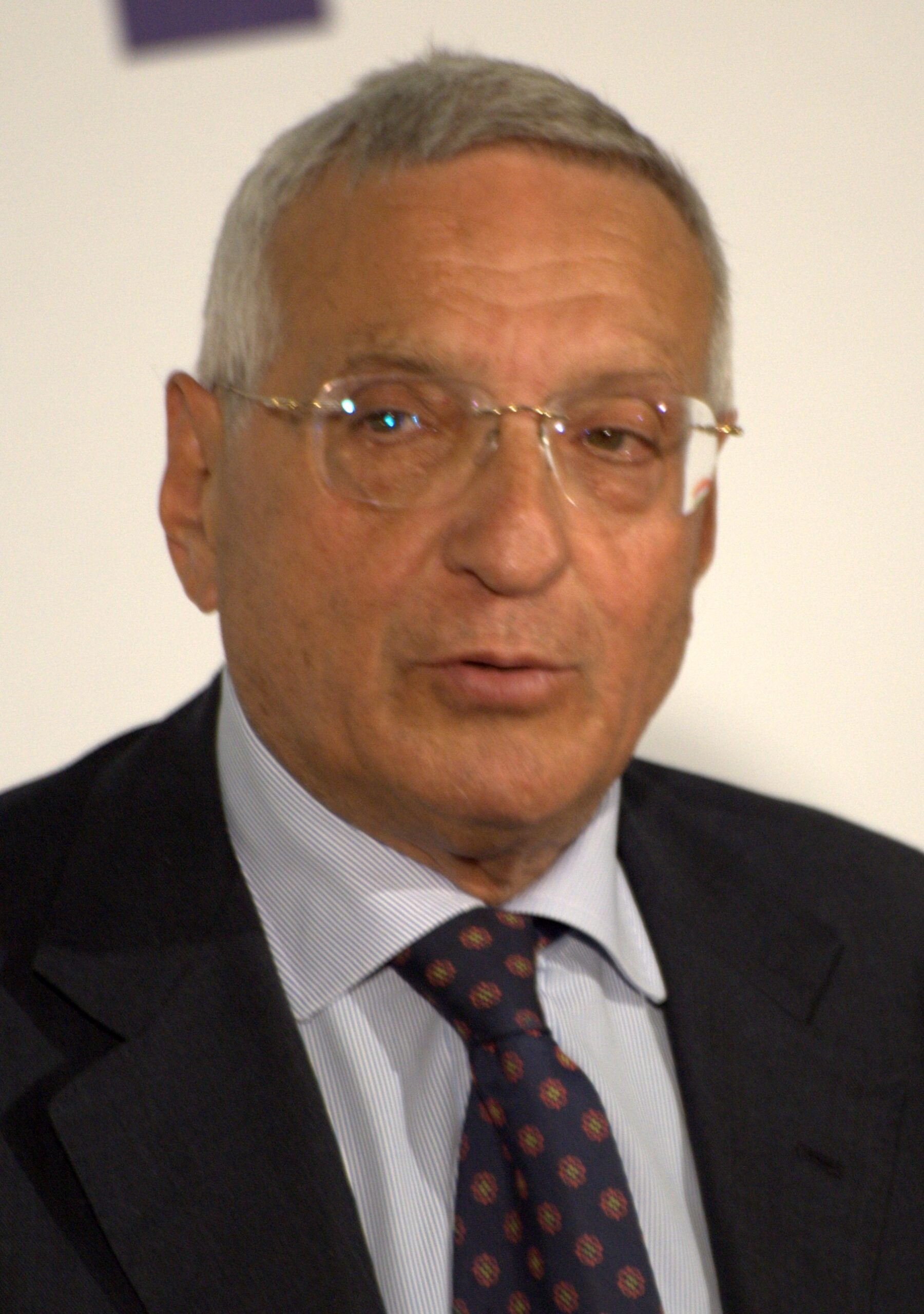
Giorgio La Malfa, born on October 13, 1939, in Milan, Italy, is a prominent Italian politician and economist known for his extensive contributions to Italy’s political landscape and economic policy. As the son of Ugo La Malfa, a notable figure in Italian politics, Giorgio La Malfa followed in his father’s footsteps, carving out a significant career in both academia and politics. His life and career reflect a deep commitment to public service, economic theory, and the pursuit of policies aimed at fostering growth and stability in Italy and the broader European context. This article delves into the life of Giorgio La Malfa, exploring his age, rise to fame, and the key highlights that have defined his career.
Early Life and Academic Foundations
Giorgio La Malfa was born into a family deeply rooted in Italian politics. His father, Ugo La Malfa, was a leading figure in the Italian Republican Party (PRI) and played a crucial role in post-World War II Italian politics. Growing up in such an environment, Giorgio La Malfa was exposed to the complexities of governance and economic policy from an early age, which undoubtedly influenced his future career path.
La Malfa pursued his academic studies with distinction. He first earned a degree in Law from the University of Pavia in 1961, demonstrating an early interest in the intersection of law and economics. However, his passion for economic theory led him to further his studies at the University of Cambridge, where he earned a degree in Political Economy in 1964. He then advanced his education at the Massachusetts Institute of Technology (MIT) from 1964 to 1966, where he deepened his understanding of economic policy and theory.
These formative years of study equipped La Malfa with a robust foundation in economics, which he would later apply to both his academic and political careers. His exposure to leading economic thinkers and institutions during this period provided him with the tools to analyze and influence economic policy effectively.
Academic Career: Teaching and Economic Thought
Following his studies, Giorgio La Malfa embarked on an academic career, teaching Political Economy and Economic Policy at several prestigious Italian universities, including those in Naples, Milan, and Turin. His academic contributions were significant, particularly in the field of economic development. In 1980, he became a full professor of Economic Policy at the University of Catania, a position he held while serving as a member of the Italian Parliament.
La Malfa’s academic work was characterized by a focus on economic growth, development, and the challenges facing the Italian economy. He authored several important texts, including “Le innovazioni nelle teorie dello sviluppo” (1970) and “L’economia italiana dal 1974 al 1978”, a three-volume work published between 1975 and 1977. These publications showcased his deep understanding of economic theory and his ability to apply it to Italy’s specific economic challenges.
His academic career was not only a platform for teaching but also for engaging in broader discussions about Italy’s economic future. La Malfa’s work often intersected with his political activities, as he sought to influence economic policy through both academic discourse and legislative action.
Entry into Politics: Following His Father’s Legacy
Giorgio La Malfa’s entry into politics was almost inevitable, given his family background and academic interests. He joined the Italian Republican Party (PRI), the party his father had helped lead, and was first elected to the Italian Parliament in 1972. This marked the beginning of a long and influential political career, during which he would serve in various capacities both domestically and at the European level.
Throughout the 1970s and 1980s, La Malfa held several key positions within the Italian government. He served as the President of the Industry Committee in 1979 and later as the President of the Foreign Affairs Committee from 1983 to 1987. His influence extended to the European stage as well, as he was elected to the European Parliament, where he served from 1989 to 1991 and again from 1994 to 1999.
La Malfa’s political career was characterized by his commitment to economic reform and integration with Europe. He was a vocal advocate for policies that promoted economic growth, stability, and greater integration within the European Union. His work often reflected his belief in the importance of economic policy as a tool for national and European progress.
Ministerial Roles: Shaping Italy’s Economic Policy
One of the most significant phases of Giorgio La Malfa’s political career came during the early 1980s when he served as Italy’s Minister of Budget and Economic Planning. He held this position under the governments of Francesco Cossiga, Arnaldo Forlani, and Giovanni Spadolini from 1980 to 1982. In this role, La Malfa was responsible for shaping Italy’s economic strategy during a challenging period marked by economic instability and inflation.
As Minister, La Malfa focused on implementing policies aimed at stabilizing the Italian economy and promoting sustainable growth. He was a proponent of fiscal responsibility and worked to introduce measures that would curb inflation and reduce public debt. His tenure as Minister was marked by a pragmatic approach to economic policy, reflecting his deep understanding of economic theory and its application in governance.
La Malfa’s ministerial roles were not limited to domestic economic policy. He also served as the Minister for European Policies and National Coordinator for the Lisbon Strategy in the third government of Silvio Berlusconi from 2005 to 2006. In this capacity, he played a key role in aligning Italy’s economic policies with broader European objectives, particularly in the areas of competitiveness, innovation, and social inclusion.
Giorgio La Malfa’s influence within the Italian Republican Party (PRI) grew over the years, and in 1987, he was elected as the party’s Secretary. He held this position until 2001, during which time he navigated the party through significant political challenges, including the decline of traditional political parties in Italy and the rise of new political movements.
As the leader of the PRI, La Malfa worked to modernize the party and adapt it to the changing political landscape. He was a strong advocate for centrist policies and sought to position the PRI as a moderate force in Italian politics. His leadership was marked by efforts to maintain the party’s relevance in an increasingly fragmented political environment.
In 2002, La Malfa was elected as the President of the PRI, a role he held until 2006. His leadership during this period was focused on maintaining the party’s identity and values while navigating the challenges posed by Italy’s evolving political dynamics. La Malfa’s tenure as party leader was characterized by his commitment to the principles of republicanism, economic reform, and European integration.
Later Career and Legacy: Contributions to Economic Thought and Policy
After stepping down from active leadership roles within the PRI, Giorgio La Malfa continued to be a prominent voice in Italian politics and economic policy. He remained active as a member of the Italian Parliament and continued to contribute to discussions on economic and European issues.
La Malfa’s later career also saw him engage in public discourse through his writings and public appearances. He authored several important works on economic policy, including “L’Europa legata, i rischi dell’Euro” (2000), which reflected his concerns about the challenges facing the European Union and the Eurozone. His writings often focused on the intersection of national and European economic policies, reflecting his deep commitment to both Italian and European prosperity.
One of La Malfa’s most significant contributions to economic thought was his work on John Maynard Keynes, the influential British economist. In 2006, he published “Keynes visto da Giorgio La Malfa,” a work that explored Keynesian economic principles and their relevance to contemporary economic policy. This work demonstrated La Malfa’s ongoing engagement with economic theory and his belief in the importance of applying economic insights to real-world challenges.
Conclusion: The Enduring Influence of Giorgio La Malfa
Giorgio La Malfa’s life and career have been marked by a deep commitment to economic thought, political service, and the pursuit of policies that promote growth, stability, and integration. His contributions to both Italian and European economic policy have left a lasting impact, and his work continues to be relevant in discussions about the future of Europe and the global economy.
La Malfa’s legacy is one of intellectual rigor, political pragmatism, and a dedication to public service. As a scholar, politician, and advocate for economic reform, he has played a crucial role in shaping Italy’s economic policies and its relationship with Europe. His work serves as a reminder of the importance of informed, thoughtful leadership in navigating the complexities of economic and political challenges.
As Italy and Europe continue to face new economic and political challenges, Giorgio La Malfa’s insights and contributions will remain a valuable resource for policymakers and scholars alike. His life’s work reflects a commitment to the principles of republicanism, economic stability, and the pursuit of progress, both for Italy and for the broader European community.


