
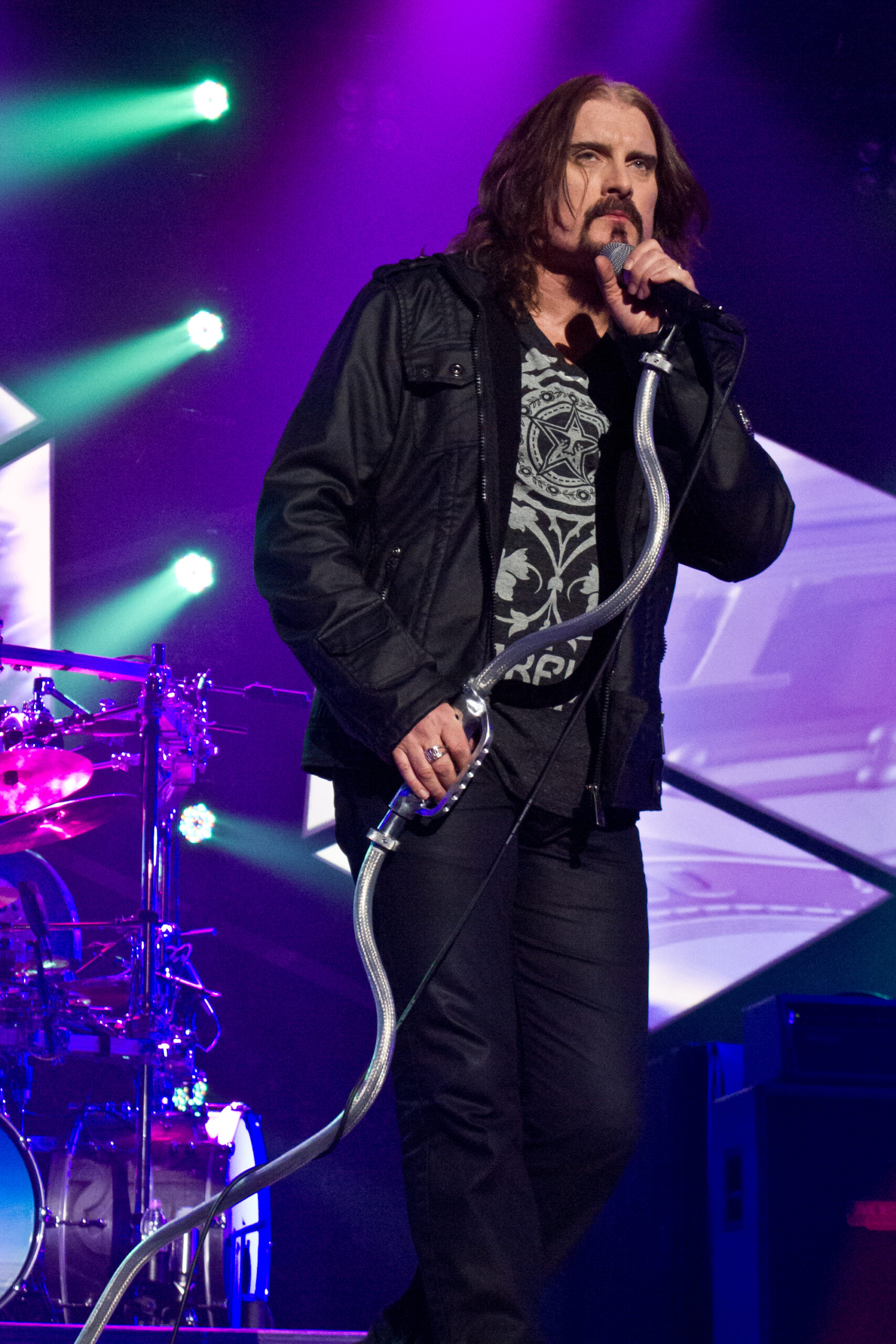
James LaBrie, born Kevin James LaBrie on May 5, 1963, in Penetanguishene, Ontario, Canada, is best known as the lead vocalist of the progressive metal band Dream Theater. Over the years, LaBrie has cemented his place as one of the most influential figures in the metal and rock genres. His journey to fame, however, is not just a tale of success but also one marked by perseverance, challenges, and a deep passion for music.
Early Life and Musical Beginnings
James LaBrie’s early years were steeped in music. He started playing drums at the tender age of five, showing an early aptitude for rhythm and melody. As he grew older, his interest in music only deepened. During his teenage years, LaBrie played in various local bands, both as a drummer and a vocalist. This period was crucial in shaping his musical identity, as he continuously sought to refine his craft.
By the time he was 18, in 1981, LaBrie had decided to pursue a more formal musical education. He moved to Toronto, where he continued to hone his skills, both as a vocalist and a performer. This move also marked a significant step in his career, as Toronto’s vibrant music scene offered more opportunities for a young artist eager to make his mark.
The Formation of a Vocal Legend
Before joining Dream Theater, LaBrie was involved with several bands, but it was his role as the lead singer of Winter Rose, a glam rock band, that brought him some early recognition. Winter Rose released a self-titled album in 1987, showcasing LaBrie’s powerful voice and stage presence. However, it was his next career move that would catapult him to international fame.
In 1991, Dream Theater, a relatively unknown progressive metal band from New York, was searching for a new lead singer. The band had only released one album at the time, and they were looking for a vocalist who could match their ambitious musical vision. LaBrie sent in a demo tape, which quickly caught the attention of the band members. Out of over 200 candidates, LaBrie was chosen to join Dream Theater, a decision that would prove pivotal for both him and the band.
Upon joining Dream Theater, LaBrie made a notable decision to adopt his middle name, James, professionally, to avoid confusion with the band’s keyboardist, Kevin Moore. From that moment on, he was known as James LaBrie, a name that would soon become synonymous with the cutting-edge sound of progressive metal.
Dream Theater: The Rise to Fame
James LaBrie’s first album with Dream Theater was “Images and Words,” released in 1992. This album is often credited with revolutionizing the progressive metal genre, blending complex musical arrangements with melodic hooks and LaBrie’s soaring vocals. The single “Pull Me Under” became a surprise hit, propelling both the album and the band into the limelight. “Images and Words” remains one of Dream Theater’s most iconic albums and a landmark in the genre.
The success of “Images and Words” was followed by a series of critically acclaimed albums, including “Awake” (1994), “Falling Into Infinity” (1997), and “Metropolis Pt. 2: Scenes from a Memory” (1999). Each of these albums showcased LaBrie’s vocal versatility and the band’s commitment to pushing the boundaries of metal and rock music.
However, LaBrie’s journey with Dream Theater was not without its challenges. In December 1994, while on vacation in Cuba, LaBrie suffered a severe case of food poisoning. The intense vomiting that followed caused significant damage to his vocal cords, a devastating blow for any singer. Despite this setback, LaBrie courageously decided to continue with the band’s tour in Japan in early 1995, against medical advice. This decision, while demonstrating his dedication to the band and its fans, took a toll on his voice. It wasn’t until 1997 that LaBrie felt he had fully recovered his vocal strength.
A Diverse Musical Inspiration
James LaBrie’s musical influences are as diverse as they are profound. He has cited a wide range of artists and genres as inspirations, from the heavy metal of Metallica to the classical compositions of Beethoven, from the smooth jazz vocals of Nat King Cole to the rock anthems of Queen and Sting. This eclectic mix of influences is evident in LaBrie’s approach to singing and his ability to infuse different styles into his performances.
Throughout his career with Dream Theater, LaBrie has also lent his voice to various other projects. He has collaborated with numerous artists and appeared on albums by bands like Ayreon, Shadow Gallery, and Trent Gardner. These collaborations have allowed LaBrie to explore different musical landscapes, further showcasing his versatility as a vocalist.
Solo Career and Side Projects
In addition to his work with Dream Theater, James LaBrie has pursued a solo career, allowing him to explore his musical ideas outside the framework of the band. His solo projects have been released under different names, including MullMuzzler and simply James LaBrie. His solo albums, such as “Elements of Persuasion” (2005), “Static Impulse” (2010), and “Impermanent Resonance” (2013), have been well-received by fans and critics alike.
These albums highlight LaBrie’s ability to experiment with different genres, from progressive metal to hard rock and even electronic music. His solo work also gives him the opportunity to showcase his songwriting skills, often delving into themes of personal struggle, introspection, and the human condition.
One of LaBrie’s most unique side projects is the “True Symphonic Rockestra,” a fusion of rock and opera. This project, which began in 2000 and came to fruition with the 2006 album “The Three Rock Tenors,” saw LaBrie collaborating with tenors Vladimir Grishko and Thomas Dewald. Together, they performed rock versions of famous operatic pieces, blending the grandeur of opera with the energy of rock music. This ambitious project reflects LaBrie’s willingness to push musical boundaries and his respect for diverse musical traditions.
Personal Life and Legacy
James LaBrie’s personal life has been relatively private, especially considering his high-profile career. He lives in Toronto with his wife, Karen, and their two children, Chloe and Chance. Despite the challenges he has faced, including his vocal cord injury and the demanding nature of life on the road, LaBrie remains dedicated to his family and his craft.
His influence on the progressive metal genre cannot be overstated. As the voice of Dream Theater, LaBrie has helped shape the sound of modern metal, inspiring countless vocalists and musicians. His technical prowess, combined with his emotional depth and versatility, has made him one of the most respected figures in the genre.
LaBrie’s legacy is not only defined by his work with Dream Theater but also by his contributions to the broader musical landscape. His willingness to experiment with different styles and collaborate with a wide range of artists has enriched the world of rock and metal music.
Historical Context and Industry Impact
To understand James LaBrie’s significance, it is essential to consider the broader context of the music industry during his rise to fame. The early 1990s were a transformative time for metal and rock music. Grunge was dominating the airwaves, and many traditional metal bands were struggling to stay relevant. Dream Theater, with LaBrie as their new frontman, offered something different—an intricate, sophisticated sound that appealed to both metalheads and fans of progressive rock.
LaBrie’s arrival coincided with a renewed interest in musicianship and complex compositions in rock music. Dream Theater’s success paved the way for other progressive metal bands, helping to establish the genre as a significant force in the music industry. LaBrie’s powerful and emotive vocal style became a defining characteristic of the genre, influencing a new generation of singers.
Moreover, LaBrie’s ability to navigate the challenges of the music industry, from maintaining vocal health to balancing a solo career with his commitments to Dream Theater, has made him a role model for aspiring musicians. His story is one of resilience, creativity, and a relentless pursuit of excellence.
Conclusion: The Enduring Influence of James LaBrie
James LaBrie’s career is a testament to the power of passion, perseverance, and innovation in music. From his early days in Penetanguishene to becoming the voice of Dream Theater, LaBrie has consistently pushed the boundaries of what is possible in rock and metal music. His influence extends beyond his vocal performances to his contributions as a songwriter, collaborator, and solo artist.
As Dream Theater continues to tour and release new music, LaBrie remains at the forefront of the progressive metal scene. His voice, characterized by its range, power, and emotional intensity, continues to captivate audiences around the world. LaBrie’s legacy is one of artistic integrity, creative exploration, and a deep commitment to the music that he loves.
In understanding James LaBrie’s life and career, we gain insight into the evolution of progressive metal and the impact of one of its most iconic voices. His journey is a reminder that true artistry is about more than just talent—it’s about the willingness to take risks, to overcome obstacles, and to stay true to one’s vision.


