
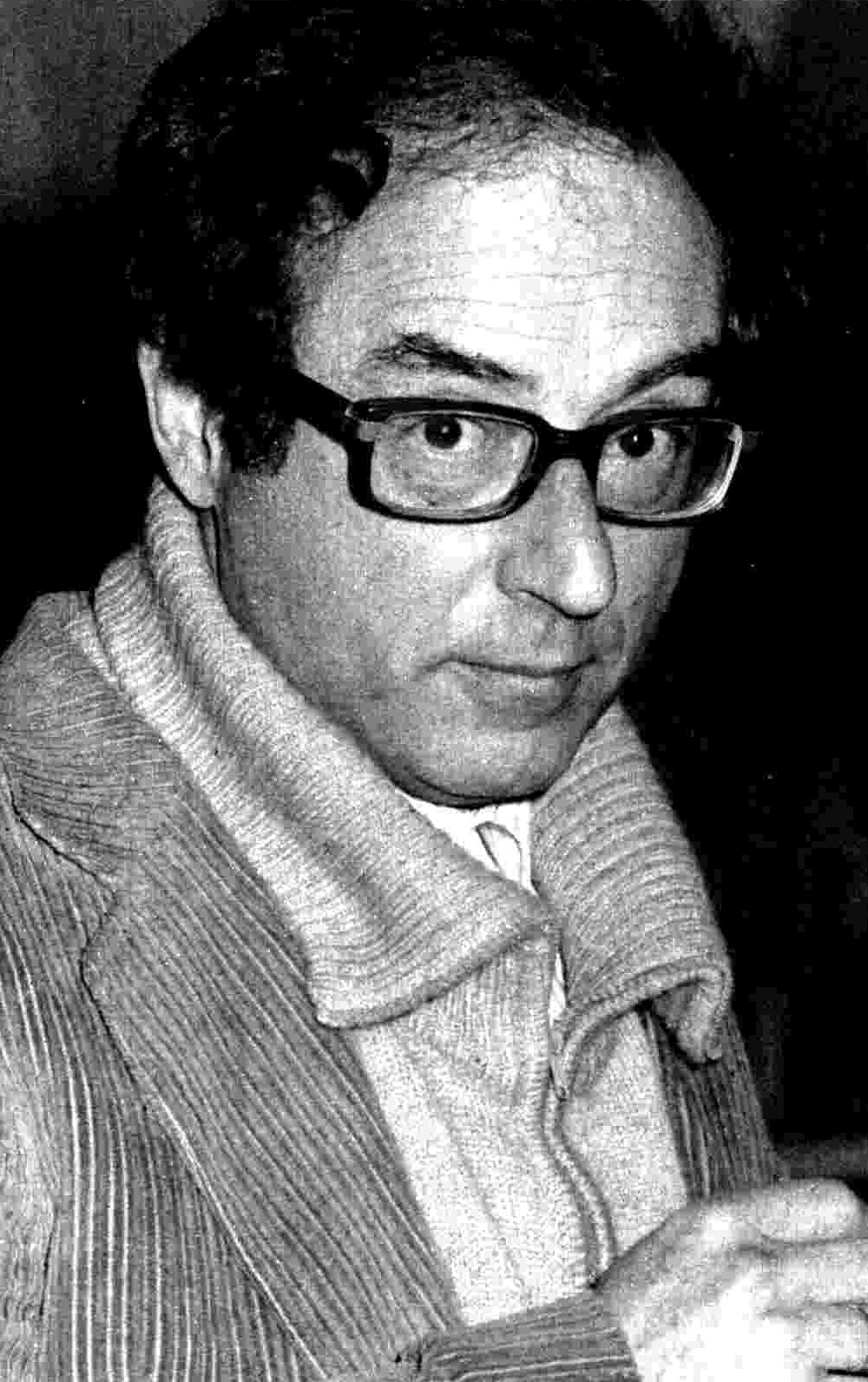
Oreste Lionello, born on April 18, 1927, in Rhodes, Greece, is a figure whose contributions to Italian entertainment have left an indelible mark. An actor, voice actor, comedian, and director, Lionello’s career spanned decades and showcased his immense talent and versatility. He was not only a celebrated performer on stage and screen but also a significant figure in the world of dubbing, lending his voice to some of the most iconic characters in cinema. This article delves into the life, career, and achievements of Oreste Lionello, exploring the nuances of his work and the impact he had on the Italian entertainment industry.
Early Life and Career Beginnings
Oreste Lionello’s journey into the world of entertainment began in the post-World War II era, a time when Italy was rebuilding itself, and the cultural scene was burgeoning with new talents. Born in Rhodes, Greece, Lionello moved to Italy, where he started his career in the mid-1950s. He made his debut in 1954 with the Radio Roma comedy-musical troupe, quickly distinguishing himself as a talented author and performer.
Lionello’s early work was deeply rooted in theater, where he displayed a strong affinity for cabaret—a genre that was gaining popularity in Italy at the time. His quick wit, sharp humor, and ability to engage with audiences made him a natural fit for the stage. He soon became a regular in Italian theater, where his performances were celebrated for their finesse and subtlety.
The Rise of a Voice Acting Legend
While Lionello was a talented stage actor, it was his work as a voice actor that truly set him apart. Over the years, Lionello became one of the most recognizable voices in Italian cinema, lending his voice to some of the most iconic characters in film history. His association with Woody Allen, for whom he provided the Italian voice in nearly all of Allen’s films, is perhaps his most famous work in dubbing. Lionello’s voice became synonymous with Allen in Italy, so much so that it became difficult for audiences to separate the two.
Lionello’s voice acting portfolio is vast and impressive. He dubbed for legendary actors such as Groucho Marx, Jerry Lewis, Charlie Chaplin, Peter Sellers, Gene Wilder, Dudley Moore, Peter Falk, Roman Polanski, John Belushi, and Marty Feldman, among others. His ability to capture the essence of these actors’ performances and translate them into Italian was unmatched. Lionello’s work contributed significantly to the popularity of these films in Italy, making him an integral part of the country’s cinematic landscape.
Television and the Bagaglino Years
While Lionello’s voice acting brought him widespread recognition, his work in television and with the Bagaglino theater company cemented his status as a household name in Italy. The Bagaglino, founded in 1965 by Pier Francesco Pingitore and Mario Castellacci, became a cultural phenomenon in Italy, known for its satirical and often politically charged performances. Lionello was one of the founding members of the troupe and played a crucial role in its success.
The Bagaglino’s shows, such as “Dove sta Zazà?” (1973), “Mazzabubù” (1975), “Palcoscenico” (1980), and “Biberon” (1987), were known for their sharp humor and biting satire. Lionello’s performances were central to these productions, and his ability to blend humor with social commentary resonated with audiences across Italy. The Bagaglino became a staple of Italian television in the 1980s and 1990s, and Lionello’s contributions were pivotal in shaping the troupe’s distinctive style.
Lionello’s work with the Bagaglino was not just limited to acting. He was also a prolific writer and director, contributing to the creation of hundreds of television programs. His work behind the scenes was just as important as his performances, as he helped craft the satirical voice that the Bagaglino became known for. This era of his career highlights Lionello’s versatility and his deep understanding of comedy and theater.
A Multifaceted Career in Film and Theater
In addition to his work in television and voice acting, Oreste Lionello also had a prolific career in film and theater. His filmography includes numerous roles in Italian cinema, where he often played characters that allowed him to showcase his comedic talents. Some of his notable film appearances include “Allegro squadrone” (1954), “È arrivata la parigina” (1958), “Le pillole di Ercole” (1960), and “Totò, Fabrizi e i giovani d’oggi” (1960).
As a director, Lionello’s work extended beyond the stage and screen. He directed various theater productions, bringing his unique vision to classic and contemporary plays. His directorial work was characterized by a keen attention to detail and a deep understanding of the material, whether it was comedy, drama, or satire.
Lionello’s contributions to Italian entertainment were not just limited to his own performances. He played a significant role in shaping the careers of other actors, particularly in the field of voice acting. His children, Luca, Cristiana, and Alessia Lionello, all followed in their father’s footsteps, becoming successful voice actors in their own right. This legacy of talent is a testament to Lionello’s influence and the respect he commanded in the industry.
The Impact of Dubbing on Italian Cinema
One of the most significant aspects of Oreste Lionello’s career is his contribution to the art of dubbing. In Italy, dubbing has always played a crucial role in the film industry. Given the country’s strong tradition of voice acting, dubbing is often considered an art form in its own right. Lionello was at the forefront of this movement, and his work helped elevate the standards of dubbing in Italy.
Lionello’s association with the CDC (Cooperativa Doppiatori Cinematografici) until 1971 and later with CVD, which he founded in 1972, underscores his influence in the industry. As the president of CVD from 1990, Lionello played a pivotal role in shaping the direction of dubbing in Italy, ensuring that the quality of voice acting matched the original performances.
His work as a dubbing actor was not just about providing a voice; it was about capturing the essence of a character, understanding the nuances of the original performance, and delivering a voice that resonated with Italian audiences. Lionello’s ability to do this consistently across a wide range of characters and genres is what made him a legend in the field.
Legacy and Influence
Oreste Lionello’s career spanned over five decades, during which he left an indelible mark on every facet of Italian entertainment. Whether it was on stage, in film, or behind the microphone, Lionello’s contributions were characterized by a deep passion for his craft and an unwavering commitment to excellence.
His work with the Bagaglino remains a significant part of his legacy, as it helped define a generation of Italian comedy and satire. The troupe’s influence on Italian television and theater is undeniable, and Lionello’s role in its success is central to that influence. The shows he helped create and perform in are still remembered fondly by audiences, and they continue to be celebrated for their wit and relevance.
In the world of dubbing, Lionello’s impact is equally profound. His work set a standard for voice acting in Italy that few have matched. His ability to bring characters to life through his voice alone made him a vital part of the Italian cinematic experience. For many Italians, Lionello’s voice is inseparable from the characters he dubbed, particularly Woody Allen, whose films were given new life through Lionello’s interpretations.
Oreste Lionello passed away on February 19, 2009, after a long illness. His death marked the end of an era in Italian entertainment, but his legacy lives on through the countless performances he left behind. His influence continues to be felt, not only through the work of his children but also through the many actors, comedians, and voice actors who were inspired by his talent and dedication.
Conclusion
Oreste Lionello’s life and career are a testament to the power of talent, versatility, and passion. From his early days in cabaret to his pioneering work in dubbing and his iconic performances with the Bagaglino, Lionello’s contributions to Italian entertainment are vast and enduring. His ability to move seamlessly between different mediums and genres, his dedication to his craft, and his influence on the next generation of performers make him a true icon of Italian culture.
As we look back on his career, it is clear that Oreste Lionello was more than just an entertainer; he was a cultural force who helped shape the landscape of Italian entertainment. His work continues to be celebrated, and his legacy will undoubtedly inspire future generations of performers and creators.


