
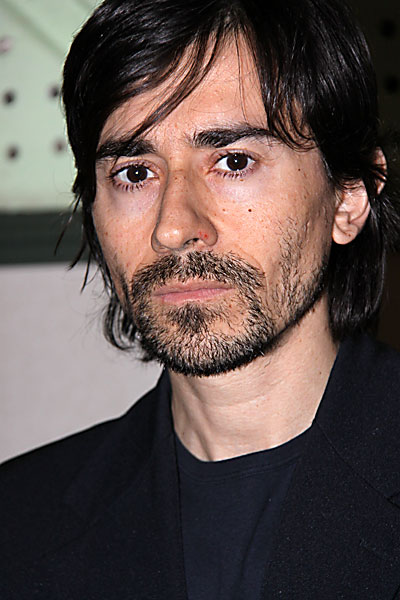
Luigi Lo Cascio, born on October 20, 1967, in Palermo, Italy, is a distinguished actor renowned for his exceptional talent and versatility in both film and theater. With a career spanning over three decades, Lo Cascio has become one of Italy’s most acclaimed actors, celebrated for his profound emotional range and dedication to his craft. This article explores his life, career highlights, and the impact he has made on the world of entertainment.
Early Life and Education
Luigi Lo Cascio grew up in Palermo, a city known for its rich cultural heritage. His early environment was infused with artistic influence, as his family members pursued various creative hobbies, including poetry, music, and acting. Despite this artistic backdrop, Lo Cascio initially pursued studies in medicine, with a focus on psychiatry. However, his passion for the performing arts ultimately led him to follow a different path.
In 1987, Lo Cascio enrolled in the prestigious Accademia Nazionale d’Arte Drammatica Silvio D’Amico in Rome, one of Italy’s leading drama schools. There, he honed his acting skills and graduated in 1992. His final thesis was a production of Shakespeare’s Hamlet, directed by Orazio Costa, which showcased his early promise as a dramatic actor.
Breakthrough Role and Early Success
Luigi Lo Cascio’s professional breakthrough came with his portrayal of Giuseppe Impastato in Marco Tullio Giordana’s film I cento passi (One Hundred Steps), released in 2000. The film, a biographical drama about the life and death of the Sicilian anti-mafia activist, received widespread acclaim. Lo Cascio’s compelling performance earned him several prestigious awards, including the David di Donatello for Best Actor, the Grolla d’Oro, and the Sacher d’Oro.
This role not only established Lo Cascio as a prominent actor in Italian cinema but also demonstrated his remarkable ability to bring depth and authenticity to his characters. His portrayal of Impastato was marked by an intense emotional range and a profound connection to the character’s tragic fate.
Continued Success and Major Projects
Following his breakthrough, Lo Cascio quickly became one of Italy’s most sought-after actors. In 2002, he starred in Giuseppe Piccioni’s Luce dei miei occhi (The Light of My Eyes), a role that further solidified his reputation. The film was well-received, and Lo Cascio’s performance earned him the Coppa Volpi for Best Actor at the Venice Film Festival.
In the same year, he participated in La meglio gioventù (The Best of Youth), another film directed by Marco Tullio Giordana. This ambitious, multi-generational drama explored Italian history through the lives of two brothers and was praised for its scope and depth. Lo Cascio’s role in the film contributed to its critical success and demonstrated his versatility.
Lo Cascio’s impressive filmography includes several other notable projects. In 2003, he appeared in Marco Bellocchio’s Buongiorno, notte (Good Morning, Night), a film about the 1978 kidnapping and murder of Aldo Moro. His performance was widely acclaimed and added to his reputation as a powerful and nuanced actor.
He also starred in Mio cognato (My Brother-in-Law) in 2004, a film directed by Alessandro Piva, where he played a co-starring role alongside Sergio Rubini. This film further showcased Lo Cascio’s ability to tackle diverse roles and genres.
Theater and Creative Ventures
In addition to his work in film, Luigi Lo Cascio has made significant contributions to theater. His academic background and training at the Accademia Nazionale d’Arte Drammatica Silvio D’Amico provided him with a strong foundation in dramatic arts. He has been involved in various theatrical productions, showcasing his range as an actor and his dedication to the craft.
Lo Cascio’s creative endeavors extend beyond acting. He has been involved in writing screenplays and collaborating on various theater projects. His ability to navigate multiple facets of the entertainment industry highlights his versatility and commitment to his artistic pursuits.
Awards and Recognition
Throughout his career, Luigi Lo Cascio has received numerous awards and accolades for his performances. In addition to his early successes with I cento passi and Luce dei miei occhi, he has been recognized for his contributions to Italian cinema with awards such as the Nastro d’Argento and the Globo d’Oro. These honors reflect the impact he has had on the industry and his standing as one of Italy’s leading actors.
Challenges and Resilience
Like many actors, Lo Cascio has faced challenges throughout his career. The competitive nature of the entertainment industry and the demands of maintaining a successful career can be formidable. However, Lo Cascio’s resilience and dedication have allowed him to navigate these challenges effectively and continue making significant contributions to film and theater.
His ability to adapt to different roles and genres, coupled with his commitment to his craft, has helped him maintain a successful and influential career. Lo Cascio’s ongoing presence in the industry is a testament to his talent and perseverance.
Historical and Cultural Context
Luigi Lo Cascio’s career is set against the backdrop of Italian cinema’s evolution over the past few decades. His work reflects broader trends in the industry, including a focus on authentic and emotionally resonant storytelling. His roles often explore themes of social justice, personal struggle, and historical context, resonating with both Italian and international audiences.
The significance of his work, particularly in films like I cento passi and La meglio gioventù, lies in its engagement with important social and historical issues. Lo Cascio’s performances contribute to a deeper understanding of Italy’s cultural and political landscape, reflecting the changing nature of Italian cinema.
Recent Developments and Future Prospects
In recent years, Luigi Lo Cascio has continued to be an influential figure in Italian cinema. His work remains highly regarded, and he continues to take on challenging and diverse roles. As the entertainment industry evolves, Lo Cascio’s ability to adapt and innovate ensures that he remains a relevant and respected artist.
Looking ahead, it is likely that Lo Cascio will continue to explore new projects and creative ventures. His ongoing contributions to film and theater will undoubtedly shape his legacy and influence the next generation of actors and artists.
Conclusion
Luigi Lo Cascio’s career is a testament to his extraordinary talent, dedication, and versatility. From his early breakthrough role in I cento passi to his continued success in film and theater, Lo Cascio has established himself as one of Italy’s most acclaimed actors. His contributions to the arts reflect his deep commitment to his craft and his ability to connect with audiences on a profound level.
As he continues to make an impact in the entertainment industry, Luigi Lo Cascio’s legacy will undoubtedly be marked by his remarkable performances and his influence on Italian and international cinema.


