
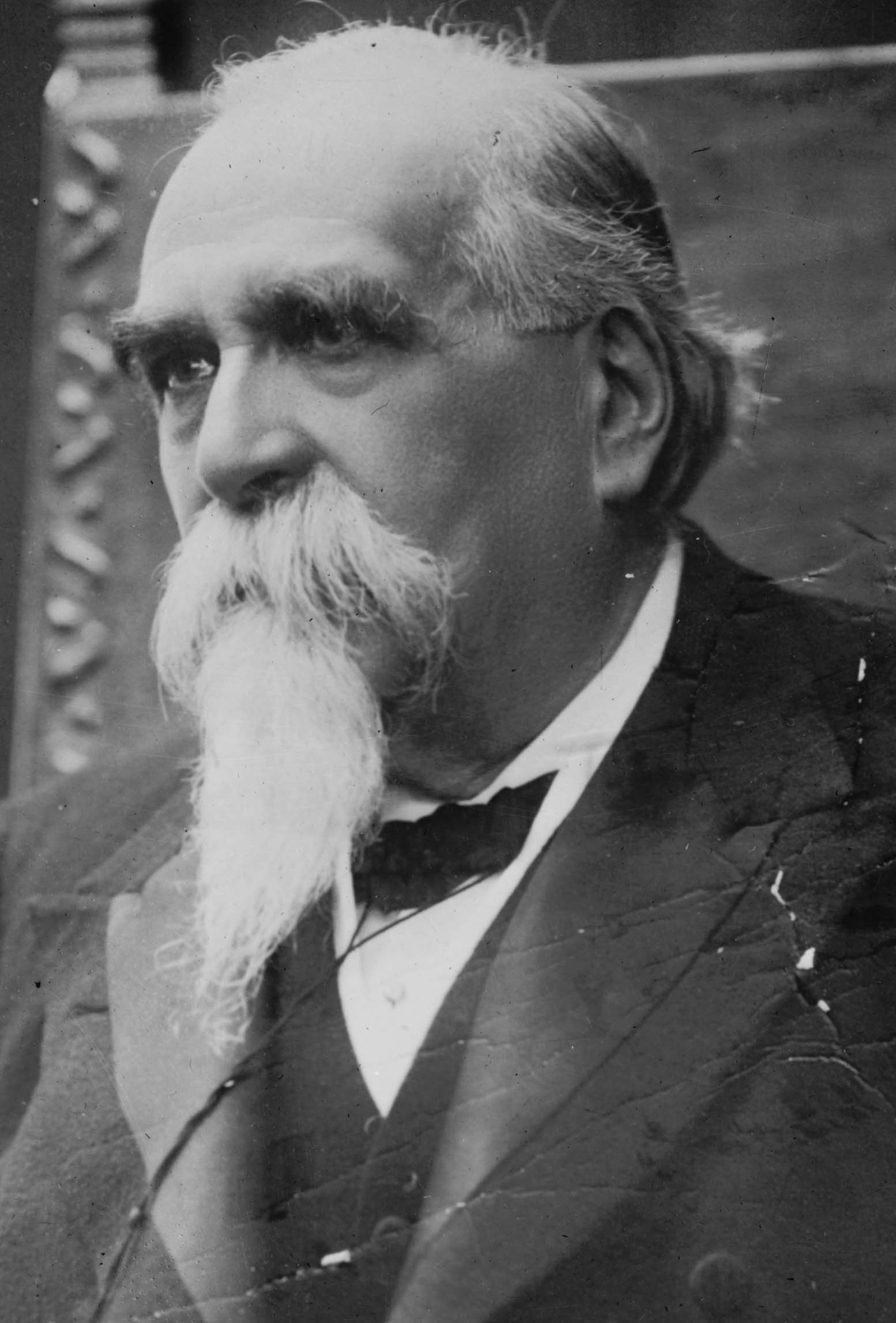
Luigi Luzzatti was an influential Italian economist, politician, and one of the founding fathers of the cooperative banking movement. Born on March 1, 1841, in Venice, into a Jewish family, Luzzatti’s life and career were marked by his unwavering commitment to economic and social reform, particularly in improving the lives of the working class. His legacy as a pioneer of cooperative credit and his significant contributions to Italian politics continue to be remembered and celebrated.
Early Life and Education
Luigi Luzzatti was born in Venice during a period of significant political and social upheaval. The mid-19th century was a time of great change in Italy, with movements for unification and independence gaining momentum. Growing up in this environment, Luzzatti was exposed to the ideas of liberalism and reform from an early age. His family, though not wealthy, placed a strong emphasis on education, which was to play a crucial role in shaping his future.
Luzzatti pursued higher education at the prestigious University of Padua, where he studied law. In 1863, at the age of 22, he graduated with a degree in law, but his interests soon shifted towards economics and social reform. His legal background provided a solid foundation for his later work in economics and finance, and it was during this period that he began to develop his ideas about cooperative banking.
The Birth of Cooperative Banking
Luigi Luzzatti is perhaps best known for his role in the establishment of cooperative banking in Italy. His pioneering work in this area was driven by a deep concern for the economic hardships faced by the working class, particularly in rural areas. Luzzatti believed that access to affordable credit was essential for economic development and social progress, and he saw cooperative banking as a means to achieve this goal.
In 1863, Luzzatti published a seminal work titled “La diffusione del credito e le banche popolari” (The Diffusion of Credit and People’s Banks), in which he outlined his vision for a banking system that would be accessible to all, especially the poor and working-class citizens. This publication marked the beginning of Luzzatti’s lifelong commitment to cooperative banking, a concept that would eventually spread throughout Italy and beyond.
Two years later, in 1865, at the age of 24, Luzzatti founded the Banca Popolare di Milano, one of the first cooperative banks in Italy. The bank was established with the goal of providing affordable credit to small businesses, artisans, and farmers, who were often excluded from traditional banking systems. The success of the Banca Popolare di Milano inspired the creation of similar institutions across Italy, and Luzzatti became known as the “father of cooperative credit.”
Academic and Political Career
In addition to his work in cooperative banking, Luigi Luzzatti had a distinguished academic and political career. After completing his studies at the University of Padua, Luzzatti began teaching at a higher education institution in Milan in 1863. His reputation as an economist and a scholar quickly grew, and in 1867, he was appointed as a professor of economics at the University of Padua, one of Italy’s most prestigious universities.
Luzzatti’s academic work was closely intertwined with his political activities. In 1869, just two years after he began teaching at Padua, he was appointed Secretary General of the Ministry of Agriculture, Industry, and Commerce by the then Prime Minister, Carlo Minghetti. This appointment marked the beginning of Luzzatti’s long and influential political career.
Luzzatti was elected to the Italian Parliament in 1871, where he served as a deputy and later as a senator. Throughout his political career, he was a staunch advocate for economic liberalism and the protection of individual freedoms. He believed in the importance of free enterprise and worked tirelessly to promote policies that would support economic growth and social progress.
One of Luzzatti’s most significant contributions to Italian politics was his work on trade tariffs. As the president of the commission for tariff reform, he played a crucial role in negotiating trade treaties between Italy and its neighboring countries. His efforts in this area helped to strengthen Italy’s economy and improve its standing in the international community.
Ministerial Roles and Economic Reforms
Luigi Luzzatti held several key ministerial positions throughout his political career, most notably as Minister of the Treasury. He was first appointed to this position in 1891 under the government of Prime Minister Antonio Starabba, the Marquess of Rudinì. Luzzatti’s tenure as Minister of the Treasury was marked by significant economic reforms, particularly in the areas of currency stabilization, labor rights, and pensions.
One of Luzzatti’s major achievements during his time as Minister of the Treasury was the introduction of measures to stabilize the Italian lira. At the time, Italy was facing significant economic challenges, including inflation and a weakening currency. Luzzatti implemented policies that helped to restore confidence in the lira and strengthen the Italian economy.
In addition to his work on currency stabilization, Luzzatti was also a strong advocate for labor rights. He supported the introduction of legislation to improve working conditions and protect workers’ rights, including the establishment of pension schemes for workers. His commitment to social justice and economic reform made him a respected figure not only in Italy but also on the international stage.
Prime Minister of Italy
Luigi Luzzatti reached the pinnacle of his political career in 1910 when he was appointed Prime Minister of Italy. His tenure as Prime Minister was relatively short, lasting just over a year, but it was marked by significant achievements, particularly in the area of electoral reform.
One of Luzzatti’s most important initiatives as Prime Minister was the introduction of reforms aimed at expanding suffrage. At the time, voting rights in Italy were limited to a small portion of the population, primarily wealthy landowners and the upper class. Luzzatti believed that the right to vote should be extended to all male citizens, regardless of their economic status. Although his proposal for universal male suffrage was not fully realized during his time in office, it laid the groundwork for future electoral reforms in Italy.
During his tenure, Luzzatti also worked to strengthen Italy’s economic position in Europe. He continued to advocate for free trade and negotiated several important trade agreements with other European countries. His efforts helped to solidify Italy’s role as a major player in the European economy and contributed to the country’s economic growth during the early 20th century.
Later Years and Legacy
After stepping down as Prime Minister, Luigi Luzzatti remained active in Italian politics and continued to contribute to the country’s economic and social development. In 1921, he was appointed a senator, a position he held until his death. Throughout his later years, Luzzatti continued to publish works on economics, finance, and social issues, further cementing his reputation as one of Italy’s leading intellectuals.
Luzzatti’s contributions to cooperative banking and his efforts to improve the lives of the working class have left a lasting legacy. The cooperative banks that he helped to establish continue to play a vital role in Italy’s economy, providing financial services to millions of people who might otherwise be excluded from traditional banking systems.
In addition to his work in banking, Luzzatti’s advocacy for economic liberalism and individual freedoms has had a lasting impact on Italian politics. His belief in the importance of free enterprise and his efforts to promote social justice have inspired generations of Italian politicians and economists.
Luigi Luzzatti passed away on March 29, 1927, in Rome, at the age of 86. His death marked the end of an era in Italian politics, but his legacy lives on. Today, Luzzatti is remembered as a visionary leader who dedicated his life to the pursuit of economic and social progress. His contributions to Italian society continue to be celebrated, and his ideas remain relevant in discussions about economic policy and social reform.
Conclusion
Luigi Luzzatti was a remarkable figure in Italian history, whose contributions to economics, politics, and social reform have left an indelible mark on the nation. From his pioneering work in cooperative banking to his tenure as Prime Minister, Luzzatti’s life was characterized by a deep commitment to improving the lives of others. His legacy as the father of cooperative credit and a champion of economic liberalism continues to influence Italian society today.
As we reflect on Luzzatti’s life and achievements, it is clear that his ideas and principles remain as relevant as ever. In a world where economic inequality and social injustice persist, Luzzatti’s vision of a more inclusive and equitable society offers valuable lessons for policymakers and leaders around the globe. His life serves as an inspiration to those who seek to make a positive impact on the world, and his legacy will continue to shape the future of Italy for generations to come.


