
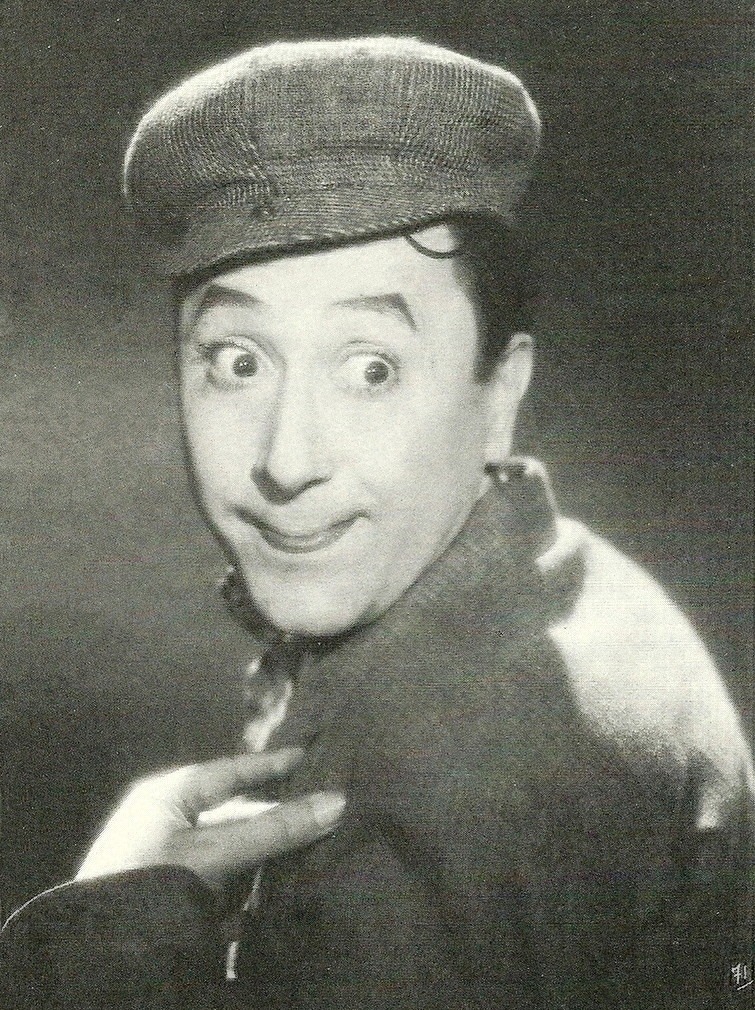
Erminio Macario, born on May 27, 1902, in Turin, Italy, was one of the most iconic figures in Italian comedy and theater. Known for his distinctive style, characterized by a mix of innocence, candor, and slapstick humor, Macario became a beloved figure on stage, in film, and on television. His career spanned several decades, during which he significantly influenced the development of Italian entertainment. This article delves into Macario’s life, his rise to fame, and the key moments that defined his career, while also exploring the broader context of Italian comedy and theater during his time.
Early Life and Humble Beginnings
Erminio Macario was born into a modest family in Turin. The economic hardships his family faced forced him to leave school early and begin working at a young age. Despite these challenges, Macario’s passion for performance emerged early on. As a child, he participated in the school’s amateur dramatics company, where he developed his initial skills in acting and comedy. By the time he was 18, Macario had joined a small traveling theater company that performed at local fairs, marking the beginning of his professional journey in the performing arts.
Macario’s early experiences in the theater provided him with invaluable lessons in timing, improvisation, and audience engagement—skills that would become the foundation of his later success. The early 1920s saw him perform in various minor roles in local theaters, gradually building his reputation as a capable and humorous actor.
Breakthrough and the Birth of a Comedy Legend
Macario’s big break came in 1925 when he was noticed by Isa Bluette, a renowned Italian actress and theater director. Bluette invited Macario to join her variety theater company, a significant opportunity that introduced him to a broader audience. It was during this period that Macario began to craft his unique comedic persona, characterized by a clownish appearance, with a distinctive tuft of hair on his forehead, wide eyes, and a loping gait. His comedic style, deeply rooted in the traditions of Italian commedia dell’arte, combined physical humor with a gentle, innocent wit.
Macario’s characters often spoke in a modified version of the Turin dialect, which added a local flavor to his performances and endeared him to audiences across Italy. His ability to blend dialect humor with universal themes made his comedy accessible and appealing to a wide range of viewers.
The Rise to Fame: From Stage to Screen
In 1930, Macario formed his own variety theater company, which toured Italy extensively. His performances, characterized by their light-hearted humor and satirical edge, resonated with audiences, and by 1935, Macario had become one of Italy’s most popular comedians. His stage shows were known for their elaborate production values and featured a troupe of beautiful showgirls, who became an integral part of his performances. These “donnine” (little women), as they were affectionately known, included future stars like Wanda Osiris, Tina De Mola, and Sandra Mondaini.
Macario’s success on stage soon translated to the silver screen. In 1939, he starred in “Imputato, alzatevi!” (Defendant, Rise!), directed by Mario Mattoli. The film, a comedy about a hapless man caught up in a series of legal misunderstandings, was a huge success and solidified Macario’s status as a leading figure in Italian cinema. His film career took off, and throughout the 1940s, Macario starred in a series of popular comedies that capitalized on his stage persona.
One of Macario’s most notable collaborations was with Vittorio Metz and Marcello Marchesi, two of Italy’s greatest screenwriters. Together, they crafted films that showcased Macario’s comedic talents while also offering sharp social commentary. These films, which often featured Macario as the innocent everyman, poked fun at the absurdities of Italian society, making them both entertaining and thought-provoking.
Post-War Success and Evolution of Italian Theater
The post-war years were a time of great change in Italy, and the entertainment industry was no exception. As Italy recovered from the devastation of World War II, there was a renewed interest in theater and cinema as forms of escapism and social commentary. Macario continued to be a dominant figure in this new era, adapting his performances to the changing tastes of the Italian public.
Throughout the 1940s and 1950s, Macario produced and starred in numerous theatrical revues, such as “Febbre azzurra” (Blue Fever) and “Follie d’Amleto” (Hamlet’s Follies). These productions were known for their lavish sets, catchy songs, and, of course, Macario’s signature comedic style. His ability to connect with audiences through humor and pathos made these shows incredibly popular, and they were often sold out across the country.
In 1951, Macario even took his talents abroad, performing in Paris with the revue “Votate per Venere” (Vote for Venus). The show was a hit, proving that Macario’s brand of comedy had international appeal. However, not all of his ventures were successful. His attempt to break into film production with “Io, Amleto” (I, Hamlet) in 1952 was a commercial failure. Despite this setback, Macario remained undeterred, continuing to produce hit revues such as “Made in Italy” (1953), which reunited him with the iconic Wanda Osiris.
Transition to Musical Comedy and Cinema
As the 1950s progressed, the tastes of Italian audiences began to shift. The traditional revue, with its mix of comedy, song, and dance, started to give way to a new form of entertainment: the musical comedy. Macario, always keen to stay relevant, embraced this new trend. He starred in several successful musical comedies, including “L’uomo si conquista la domenica” (Man Wins Sunday) and “Chiamate Arturo 777” (Call Arturo 777). These productions allowed Macario to showcase not only his comedic talents but also his versatility as a performer.
In 1957, Macario took on a new challenge when director Mario Soldati cast him in “Italia piccola” (Little Italy), a dramatic film that showcased Macario in a serious role. The film was a departure from his usual comedic fare, and Macario received critical acclaim for his performance. This role demonstrated his range as an actor and his ability to tackle more complex, nuanced characters.
Despite his success in dramatic roles, Macario never strayed far from comedy. He continued to work in film, often appearing alongside his close friend and fellow comedian Totò. The two starred in several films together, their on-screen chemistry creating some of the most memorable moments in Italian cinema. Macario’s decision to work with Totò was partly motivated by his desire to support his friend, who was struggling with vision problems at the time. Their collaboration was a testament to the deep friendship and mutual respect between the two comedy legends.
Later Years and Legacy
In the late 1950s and early 1960s, Macario’s career began to wind down as new comedic voices emerged in Italian entertainment. However, he remained active in theater and film, continuing to entertain audiences with his unique brand of humor. Macario’s later years were marked by a return to his roots in theater. He dreamed of establishing his own theater in Turin, where he could continue to perform and nurture new talent. In 1977, he planned to inaugurate this theater with a production of Molière’s “Il medico per forza” (The Doctor in Spite of Himself), a project that would combine his love for classical theater with his comedic flair. Unfortunately, bureaucratic delays prevented this dream from becoming a reality.
Macario continued to perform well into his seventies. His final stage performance was in “Oplà, giochiamo insieme” (Oplà, Let’s Play Together) in January 1980. During the show, Macario fell ill, and it was later discovered that he had cancer. Erminio Macario passed away on March 26, 1980, in his beloved Turin. His death marked the end of an era in Italian comedy, but his legacy lives on.
Influence on Italian Comedy and Culture
Erminio Macario’s influence on Italian comedy and culture is profound. He was a pioneer in the development of the revue and musical comedy in Italy, and his work helped shape the direction of Italian entertainment in the 20th century. Macario’s comedic style, characterized by its innocence, physicality, and gentle satire, resonated with audiences across generations.
Macario’s ability to blend humor with social commentary made his work both entertaining and meaningful. His performances often reflected the concerns and aspirations of the Italian people, particularly during times of social and political change. In this way, Macario’s work not only entertained but also provided a mirror to Italian society.
Today, Macario is remembered as one of Italy’s greatest comedians. His contributions to theater, film, and television have left an indelible mark on Italian culture. He paved the way for future generations of comedians, and his influence can still be seen in the work of contemporary Italian performers.
Conclusion
Erminio Macario’s life and career are a testament to the enduring power of comedy. From his humble beginnings in Turin to his rise as one of Italy’s most beloved entertainers, Macario brought joy and laughter to millions. His work, characterized by its blend of innocence, wit, and social commentary, continues to inspire and entertain audiences today.
As we look back on Macario’s contributions to Italian culture, it is clear that his legacy is one of both artistic excellence and deep humanity. Erminio Macario was not just a comedian; he was a storyteller, a cultural icon, and a beloved figure whose influence will be felt for many years to come.


