
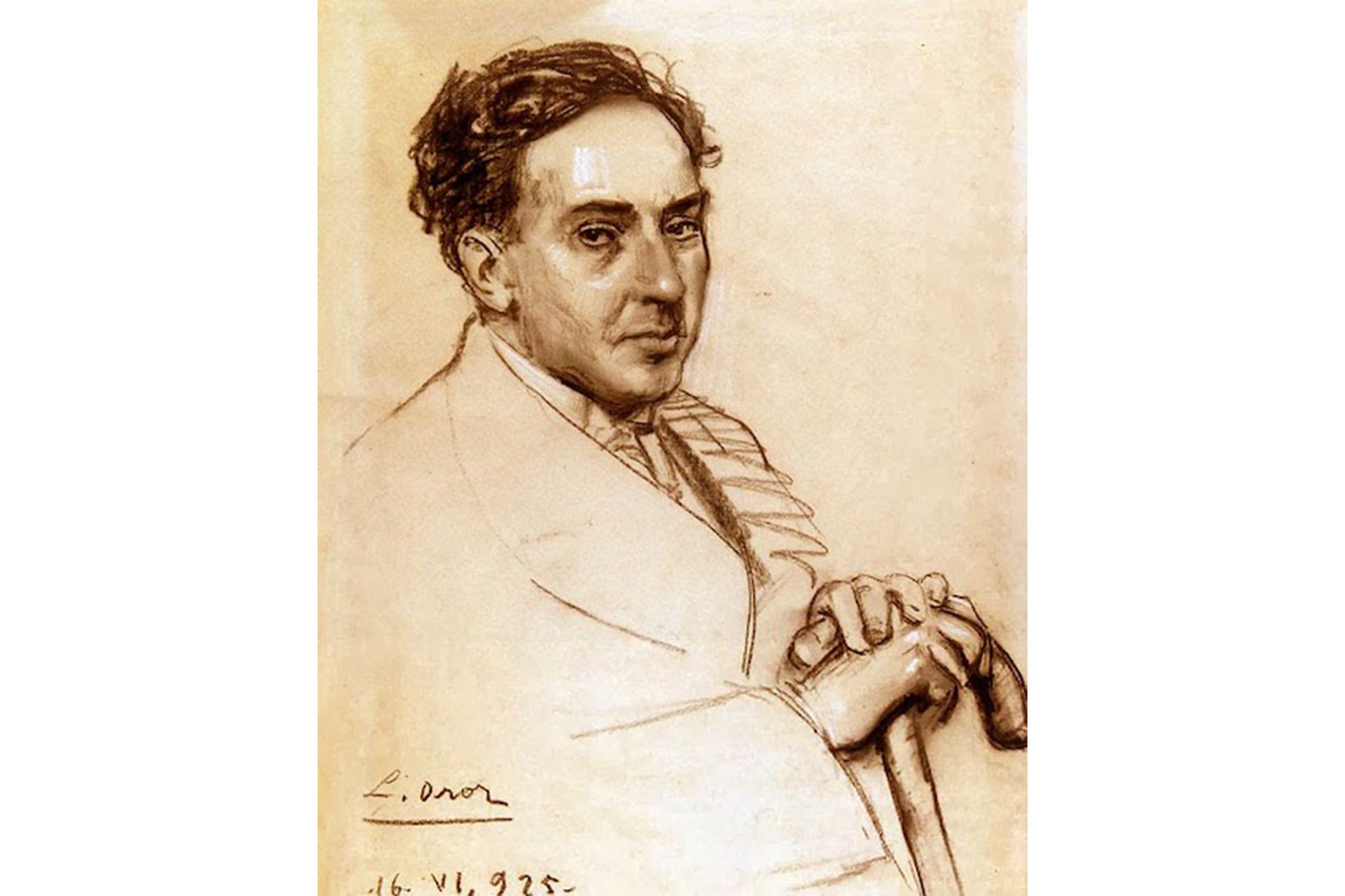
Antonio Machado, born Antonio Cipriano José María y Francisco de Santa Ana Machado Ruiz on July 26, 1875, in Seville, Spain, is one of Spain’s most revered poets. Known for his profound and contemplative poetry, Machado’s work captures the spirit of Spain’s cultural and political landscape during the late 19th and early 20th centuries. This article delves into the life and career of Antonio Machado, focusing on his early years, rise to literary fame, significant contributions to Spanish literature, and his enduring legacy.
Early Life and Education
Antonio Machado was born into an intellectual family in the Andalusian city of Seville. His father, Antonio Machado Álvarez, was a folklorist and writer, while his mother, Ana Ruiz, came from a family of modest means. The Machado family moved to Madrid in 1883 when Antonio was just eight years old. There, he attended the Institución Libre de Enseñanza (ILE), a progressive educational institution founded by Francisco Giner de los Ríos. The ILE promoted a liberal and secular education, emphasizing critical thinking and the development of individual character. This educational environment had a profound impact on Machado, shaping his intellectual development and future literary pursuits.
The death of his father in 1893 was a significant event in young Antonio’s life, plunging the family into financial difficulties. Despite these hardships, Machado remained committed to his education and literary interests. During this time, he began frequenting Madrid’s literary cafes, where he mingled with some of Spain’s most prominent writers and intellectuals, including Miguel de Unamuno, Ramón María del Valle-Inclán, and Juan Ramón Jiménez. These interactions would prove influential in shaping Machado’s literary voice.
Early Literary Career and Parisian Influence
In 1899, Machado traveled to Paris, a city that was then the epicenter of European intellectual and artistic life. During his time in Paris, he was exposed to the works of French Symbolist poets and became acquainted with figures such as Jean Moréas and the Irish writer Oscar Wilde. It was also in Paris that Machado met the Nicaraguan poet Rubén Darío, a leading figure of the modernismo literary movement. Darío’s influence is evident in Machado’s early poetry, which is characterized by a blend of traditional Spanish themes with modernist aesthetics.
Machado’s first published work, “Soledades” (“Solitudes”), was released in 1903. The collection was a reflection of his early literary influences, blending introspective themes with a focus on the inner world of the individual. The poems in “Soledades” are marked by their meditative tone and exploration of themes such as time, memory, and the passage of life. Although the collection did not achieve immediate commercial success, it established Machado as a promising young poet within Spain’s literary circles.
Teaching Career and Personal Tragedy
In 1907, Machado was appointed as a French teacher at a secondary school in Soria, a small town in the region of Castile. It was in Soria that Machado met Leonor Izquierdo, a local girl who was just 15 years old at the time. Despite the significant age difference—Machado was 34—the two fell in love and were married in 1909. Their marriage was a source of great happiness for Machado, and Leonor became a central figure in his life and work.
Tragically, their happiness was short-lived. In 1911, Leonor fell seriously ill with tuberculosis, and despite Machado’s efforts to find a cure, she passed away in 1912 at the age of 18. Leonor’s death devastated Machado, and his grief is palpable in his subsequent work. The same year, he published “Campos de Castilla” (“Fields of Castile”), a collection that marked a significant departure from his earlier, more introspective work. “Campos de Castilla” is imbued with a deep sense of loss and sorrow, reflecting both Machado’s personal grief and his contemplation of Spain’s historical and cultural identity.
“Campos de Castilla” and National Identity
“Campos de Castilla” is widely regarded as Machado’s most important work and a cornerstone of modern Spanish literature. The collection reflects his deep connection to the Castilian landscape, which he saw as a symbol of Spain’s soul. Through his poetry, Machado sought to capture the essence of Spain’s rural life, its traditions, and its struggles. The poems are filled with vivid descriptions of the Castilian landscape, which becomes a metaphor for the spiritual and moral state of the nation.
In “Campos de Castilla,” Machado also grapples with Spain’s political and social issues, particularly the decline of rural communities and the challenges facing the country in the early 20th century. The collection’s most famous poem, “La tierra de Alvargonzález,” is a narrative poem that tells the story of a farmer betrayed and murdered by his sons, who are then haunted by their guilt. The poem reflects Machado’s concern with themes of justice, retribution, and the enduring power of the land.
Later Years and Political Engagement
After the death of his wife, Machado moved to Baeza, a small town in Andalusia, where he continued to teach and write. His years in Baeza were marked by solitude and introspection, but also by a growing engagement with the political and social issues of the time. In the 1920s, Machado became increasingly involved in the intellectual opposition to the dictatorship of Miguel Primo de Rivera. He joined a group of writers and intellectuals who spoke out against the regime, advocating for democratic reforms and greater social justice.
During this period, Machado also expanded his literary output to include prose and drama. He collaborated with his brother Manuel Machado, a successful playwright, on several theatrical works, including “La Lola se va a los puertos” (“La Lola Goes to the Ports”), which was well-received by audiences and critics alike. Machado’s involvement in theater allowed him to explore new literary forms and reach a broader audience, further solidifying his reputation as a leading figure in Spanish literature.
The Spanish Civil War and Exile
The outbreak of the Spanish Civil War in 1936 had a profound impact on Antonio Machado’s life and work. A staunch supporter of the Spanish Republic, Machado used his poetry and essays to express his opposition to the fascist forces led by General Francisco Franco. His writing during this period is characterized by its passionate defense of democratic values and its condemnation of the violence and repression that marked the war.
As the war progressed and the Republican forces faced defeat, Machado was forced to flee Madrid in 1936, moving first to Valencia and later to Barcelona, the last stronghold of the Republic. In January 1939, as Franco’s troops closed in on Barcelona, Machado, along with his mother and brother, fled across the Pyrenees into France. The journey was arduous, and the family, already weakened by years of war, suffered greatly during the crossing.
Final Days and Legacy
Antonio Machado spent the last few weeks of his life in the small French village of Collioure, just across the Spanish border. He arrived in Collioure exhausted and ill, and the hardships of the journey had taken a severe toll on his health. On February 22, 1939, just a few days after arriving in Collioure, Machado passed away at the age of 63. His mother died just three days later.
Machado’s death marked the end of one of the most significant literary careers in Spanish history. His poetry, characterized by its deep humanity, profound introspection, and connection to the Spanish landscape, has had a lasting impact on Spanish literature and culture. Machado is often considered one of the leading poets of the Generation of ’98, a group of writers who sought to address the cultural and political issues facing Spain at the turn of the century.
Today, Antonio Machado is remembered not only for his literary achievements but also for his commitment to social justice and his unwavering support for the values of democracy and human dignity. His work continues to be studied and admired by readers around the world, and his influence can be seen in the works of later Spanish poets and writers.
In conclusion, Antonio Machado’s life and work reflect the complexities of Spanish history during one of its most turbulent periods. His poetry, deeply rooted in the Spanish landscape and cultural identity, offers a window into the soul of a nation struggling with its past and future. Machado’s legacy as a poet and intellectual continues to resonate, making him a timeless figure in the world of literature.


