
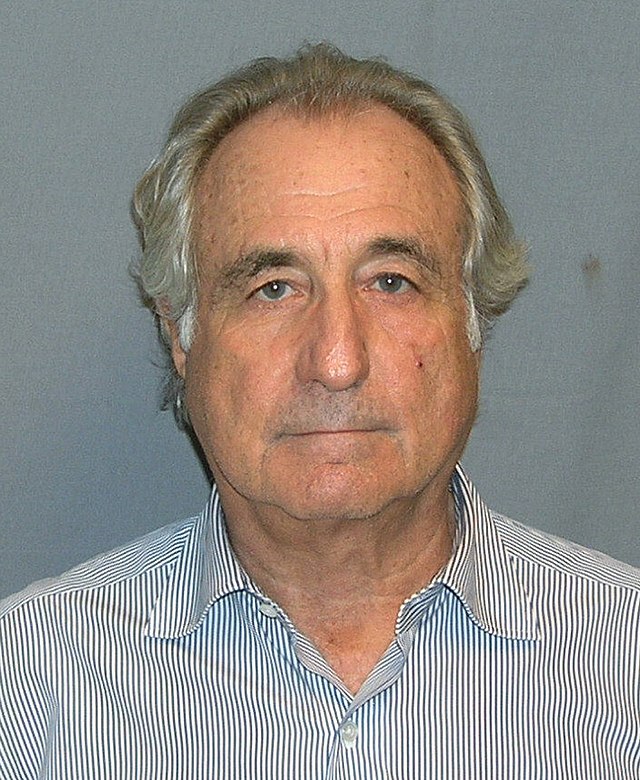
Bernard Lawrence Madoff, born on April 29, 1938, in New York City, rose to infamy as the orchestrator of the largest Ponzi scheme in history. His life, characterized by ambition, deceit, and eventual downfall, has left a lasting impact on the financial world. In this detailed exploration, we will delve into Madoff’s background, his ascent in the financial industry, the mechanics of his fraudulent scheme, and the devastating consequences of his actions. This narrative will also consider the historical context, the societal impact of his crimes, and the lasting legacy of his infamous career.
Early Life and Background
Bernard Madoff was born into a modest Jewish family in New York City. His father, Ralph Madoff, was a plumber, and his mother, Sylvia, was a homemaker. Both parents were children of Eastern European immigrants, with Ralph’s family hailing from Poland and Sylvia’s from Romania and Austria. The Madoff family’s financial situation was unstable, particularly during the Great Depression, which significantly shaped young Bernard’s outlook on money and success.
During his youth, Madoff showed little interest in academics but was drawn to the world of finance, perhaps influenced by his parents’ forays into the financial sector after World War II. The Madoffs ran a small investment business out of their home, but it was ultimately unsuccessful. This early exposure to the pitfalls of financial risk-taking may have planted the seeds for Madoff’s later ventures.
In 1952, Bernard met Ruth Alpern, who would later become his wife. Ruth was a fellow student with a similar interest in finance. Their relationship solidified as they grew older, and they married in 1959, a partnership that would extend into their financial dealings.
Early Career and the Foundation of Madoff’s Empire
Madoff attended the University of Alabama briefly before transferring to Hofstra University, where he earned a degree in political science in 1960. His education, while not directly focused on finance, provided him with a foundation in understanding the broader socio-political environment, which would later inform his business strategies.
Upon graduation, Madoff briefly attended Brooklyn Law School but soon dropped out to pursue a career in finance. Using $5,000 he had saved from working as a lifeguard and installing sprinklers, Madoff founded Bernard L. Madoff Investment Securities LLC in 1960. Initially, the firm was a small penny stock brokerage, but Madoff had ambitions beyond the traditional stock market.
Madoff’s firm was innovative for its time, utilizing then-nascent computer technology to disseminate stock quotes. This innovation helped attract institutional clients, and by the 1970s, Madoff’s firm was one of the largest market makers on the NASDAQ, which he helped develop. Madoff’s reputation grew, and he became a trusted figure in the financial industry, particularly within the Jewish community in the United States.
The Rise of the Ponzi Scheme
While Madoff’s public-facing business was legitimate, behind the scenes, he was running a massive Ponzi scheme—a fraudulent investment operation where returns to earlier investors were paid from the capital of newer investors, rather than from profit earned by the operation. Madoff promised consistent returns of around 10% annually, which attracted a steady stream of investors, including high-profile individuals, charities, and institutional clients.
Madoff’s scheme was able to sustain itself for decades due to a combination of factors. Firstly, Madoff was highly regarded in the financial community, which lent credibility to his operations. Secondly, his firm’s use of a split-strike conversion strategy, a legitimate trading method, provided a plausible cover for the steady returns. Thirdly, Madoff was extremely secretive about his investment strategies, which prevented scrutiny.
By the late 1980s and 1990s, Madoff’s firm had grown into one of the most prominent on Wall Street, handling billions of dollars in assets. The consistent returns generated by his fund attracted more investors, and the Ponzi scheme continued to grow in size. However, the entire operation was built on a foundation of lies. No actual trading took place in the investment advisory business; instead, Madoff simply deposited client funds into a single bank account, using it to pay withdrawals and fund his luxurious lifestyle.
The Scheme Unravels
The beginning of the end for Madoff came with the global financial crisis of 2008. As markets plummeted, many of Madoff’s clients began requesting withdrawals en masse. With the scheme’s cash flow drying up, Madoff was unable to meet these demands, and the Ponzi scheme collapsed under its own weight.
On December 11, 2008, Madoff was arrested by federal agents after confessing to his sons that his investment business was “one big lie.” The scale of the fraud was staggering, with losses estimated at around $65 billion, making it the largest Ponzi scheme in history. The fallout from Madoff’s arrest was immediate and far-reaching, devastating thousands of investors and causing significant damage to the financial sector.
Legal Consequences and Imprisonment
In March 2009, Madoff pleaded guilty to 11 federal felonies, including securities fraud, wire fraud, and money laundering. On June 29, 2009, he was sentenced to 150 years in prison, the maximum sentence allowed, which was meant to serve as a deterrent to others in the financial industry. Judge Denny Chin, who presided over the case, described Madoff’s crimes as “extraordinarily evil,” noting the immeasurable harm done to thousands of victims.
The consequences of Madoff’s crimes extended beyond his personal life. His firm was liquidated, and efforts were made to recover assets to compensate the victims. Irving Picard, the trustee appointed to recover funds for Madoff’s victims, pursued legal actions against those who had profited from the scheme, successfully recovering billions of dollars.
The Madoff family was also deeply affected. His sons, Mark and Andrew, who were involved in the legitimate side of the business but claimed to be unaware of the fraud, faced public scrutiny and personal anguish. Tragically, Mark Madoff committed suicide on December 11, 2010, the second anniversary of his father’s arrest.
The Impact on the Financial World
The Madoff scandal sent shockwaves through the financial industry, leading to increased scrutiny and regulation. The Securities and Exchange Commission (SEC), which had failed to uncover the scheme despite numerous warnings, faced intense criticism. This led to significant reforms in the regulatory environment, including the creation of the Office of the Whistleblower and the strengthening of oversight mechanisms.
Madoff’s crimes also had a profound impact on investor trust. Many of his victims were individuals and institutions who had invested their life savings or endowments, and the losses were devastating. The scandal highlighted the importance of due diligence, transparency, and skepticism in the investment process.
Legacy and Lessons
Bernard Madoff’s story is a cautionary tale of unchecked ambition and the corrosive effects of greed. His ability to perpetrate such a massive fraud for so long was made possible by a combination of his charisma, his reputation, and a lack of rigorous oversight. The scandal underscored the vulnerabilities in the financial system and the potential for catastrophic consequences when those in positions of trust abuse their power.
Madoff’s death on April 14, 2021, at the age of 82, marked the end of a dark chapter in financial history. However, the lessons from his actions continue to resonate. For investors, the importance of diversification, skepticism, and transparency cannot be overstated. For regulators, the Madoff case serves as a reminder of the need for vigilance and accountability in the financial sector.
Conclusion
Bernard Madoff’s life is a study in contrasts: a man who rose from modest beginnings to become one of the most powerful figures on Wall Street, only to fall from grace as the mastermind of the largest Ponzi scheme in history. His story is a stark reminder of the destructive power of unchecked ambition and the importance of ethical conduct in finance.
Madoff’s legacy will forever be associated with his crimes, but it also serves as a catalyst for positive change in the financial industry. The reforms and increased awareness that followed his downfall have made the financial world more secure, ensuring that future generations are better protected from similar schemes.
As we reflect on the life and actions of Bernard Madoff, it is crucial to remember the victims of his fraud, whose lives were irreparably damaged. Their stories are a testament to the far-reaching impact of financial crime and the need for ongoing vigilance and reform in the world of finance.


