
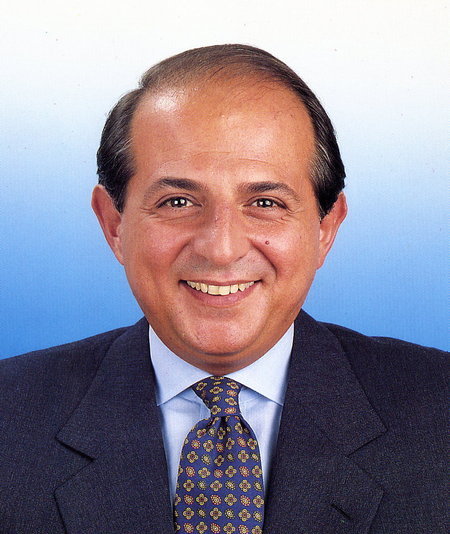
Giancarlo Magalli, born on July 5, 1947, in Rome, Italy, is a celebrated Italian television presenter, actor, screenwriter, and author. With a career spanning over five decades, Magalli has become a household name in Italy, recognized for his quick wit, charming personality, and versatile talent. This article delves into the life of Giancarlo Magalli, exploring his age, rise to fame, significant life events, and his enduring influence on Italian television and popular culture.
Early Life: A Cinematic Beginning
Giancarlo Magalli’s life was steeped in the world of cinema from an early age. Born to a film production director, Magalli grew up surrounded by the magic of the silver screen. His childhood was spent on various movie sets, where he had the unique opportunity to interact with some of the most prominent actors of the time, including Gina Lollobrigida, Aldo Fabrizi, Rossano Brazzi, and even international stars like Humphrey Bogart and Ava Gardner. These early experiences in the film industry not only shaped his future career but also instilled in him a deep appreciation for the art of storytelling.
As a young man, Magalli was determined to carve out his own path in the entertainment industry. He convinced Gianni Buffardi, a film producer and son-in-law of the legendary Italian comedian Totò, to allow him to work as an assistant production secretary. This role gave him hands-on experience in the world of filmmaking, and he contributed to several of Totò’s films, including “Diabolicus,” “I due Colonnelli,” and “Totò contro i quattro.” These formative years on set provided Magalli with a solid foundation in the technical and creative aspects of the entertainment industry.
The 1970s: Transition to Television
The 1970s marked a significant turning point in Giancarlo Magalli’s career. While he had initially gained experience in film, he soon found himself drawn to the burgeoning world of television. His first major role was as the organizer of “Giochi senza frontiere” (Games Without Frontiers) for Italy, a popular European game show that became a cultural phenomenon. This opportunity allowed Magalli to showcase his organizational skills and creative flair, setting the stage for his future success in television.
During this decade, Magalli also ventured into television production and writing. He contributed to various TV programs such as “Odeon” and “Bella Italia,” where he served as a director and writer. His talent for crafting engaging content did not go unnoticed, and he soon transitioned to full-time work as a television writer. Magalli wrote for a number of successful shows, including “Adesso Musica,” “Non Stop,” “Sotto le stelle,” “Tutto compreso,” “Illusione,” “Patatrac,” and “Lady Magic.” These programs not only showcased his versatility as a writer but also cemented his reputation as a creative force in the Italian television industry.
Expanding Horizons: Screenwriting and Acting
In addition to his work behind the scenes, Giancarlo Magalli also explored the world of screenwriting and acting during the 1970s. He penned several screenplays for Italian films, contributing to the success of movies like “Zucchero, miele e peperoncino” (Sugar, Honey, and Pepper), “Il casinista,” and “La gatta da pelare.” These films, known for their humor and lighthearted plots, were well-received by audiences and further established Magalli’s reputation as a talented writer.
Magalli’s on-screen presence also began to take shape during this time. He appeared in several films, including “Nerone,” “Scherzi da prete,” and “Sturmtruppen 2.” While acting was not his primary focus, these roles allowed Magalli to demonstrate his versatility as a performer and his ability to connect with audiences both in front of and behind the camera.
The 1980s: A Star on the Rise
The 1980s marked a period of significant growth and success for Giancarlo Magalli. In 1982, while writing the screenplay for the comedy “Due strani papà” (Two Strange Dads), which starred Franco Califano and Pippo Franco, Magalli made his television debut as a presenter on Raiuno’s show “Illusione, musica, balletto e altro.” This experience paved the way for his true breakout in 1987 when he replaced Enrica Bonaccorti as the host of “Pronto, chi gioca?” The show was a hit, and Magalli’s natural charisma and quick wit made him an instant favorite among viewers.
Following this success, Magalli became a prominent figure on Italian television, hosting a variety of popular shows. He presented “Pronto, è la Rai?” and “Domani sposi” before taking on the role of host for “Fantastico bis” and “Fantastico 10” between 1988 and 1990. These programs were among the most-watched on Italian television, and Magalli’s presence helped to boost their popularity.
During this time, Magalli’s personal life also saw significant changes. He married Valeria Donati, with whom he had a daughter, Michela, in 1994. Although the couple separated in the summer of 2008, Magalli’s dedication to his family remained evident throughout his career, often influencing his decisions regarding work-life balance.
The 1990s: A Decade of Success
The 1990s were a defining decade for Giancarlo Magalli as he continued to solidify his position as one of Italy’s most beloved television personalities. At the beginning of the decade, he hosted “Lascia o raddoppia” on Raiuno and “Club 91” on Raidue. His versatility as a presenter was further showcased when he appeared on “1,2,3, buon anno 1991,” a New Year’s Eve special broadcast across all three Rai networks.
One of Magalli’s most enduring contributions to Italian television began in 1991 with the launch of “I fatti vostri.” The show, which combined elements of news, entertainment, and public service, became a staple of Italian daytime television. Magalli’s role as host and anchor made him a familiar and trusted face in Italian households. His ability to engage with guests and viewers alike helped the show achieve long-lasting success, and it continues to be a fixture on Italian television to this day.
Magalli’s success in the 1990s extended beyond “I fatti vostri.” He also hosted a variety of other programs, including “Papaveri e papere,” “Mille lire al mese,” “Luna Park,” “Quaranta Zecchini d’Oro,” and the prestigious children’s song festival “Zecchino d’Oro.” Each of these shows highlighted Magalli’s versatility as a presenter, capable of adapting to different formats and audiences.
Despite numerous opportunities, Magalli remained selective about his projects. For instance, he famously declined the role of Don Matteo in the eponymous Raiuno fiction series. Although the role later became iconic, Magalli chose to prioritize his family and work-life balance, as the role would have required him to spend extended periods away from home during filming in Umbria.
The 2000s: Continued Success and New Ventures
As the new millennium dawned, Giancarlo Magalli continued to thrive in the world of Italian television. He became one of the hosts of the long-running variety show “Domenica In” and later moved to Raitre to present “Subbuglio” and “Giorno dopo giorno.” His ability to connect with audiences across different genres and formats made him a versatile and sought-after presenter.
In 2003, Magalli joined the cast of the “Dopofestival,” a post-festival commentary show that aired after the prestigious Sanremo Music Festival. The following year, he returned to Raidue to host “Piazza grande,” another popular program that further solidified his status as a television mainstay.
Magalli’s versatility also extended to acting during this period. In 2009, he made his debut in the sitcom “7 Vite” on Raidue, playing the character Gildo Giuliani. His foray into scripted television was well-received, and he later appeared in the popular series “Un medico in famiglia,” showcasing his comedic talents and endearing himself to a new generation of viewers.
The 2010s: A New Era and Internet Fame
The 2010s brought new challenges and opportunities for Giancarlo Magalli. In 2012, he was invited to become a judge on Raiuno’s talent show “Tale e Quale Show,” which focused on celebrity impersonations. However, Magalli declined the offer, choosing instead to focus on a new prime-time program, “Mi gioco la nonna.” Despite high expectations, the show received a lukewarm response from audiences.
While his television projects faced mixed success, Magalli found an unexpected resurgence of popularity on the internet. In 2014, he became the subject of a viral phenomenon on social media, with numerous Facebook pages dedicated to his persona. These fan pages, with names like “Se son Magalli fioriranno” (If They’re Magalli, They’ll Bloom) and “Magalli is love, Magalli is life,” celebrated his charm and wit, turning him into an unlikely internet icon. The phenomenon was sparked by a humorous, albeit fictional, news story that claimed an elderly woman insisted her husband wear a mask of Magalli’s face during intimate moments. The absurdity of the story and the subsequent online memes only added to Magalli’s cult status.
In the wake of this newfound internet fame, Magalli was invited by The Pills, a popular YouTube collective, to appear in one of their videos. This collaboration introduced Magalli to a younger audience, further expanding his influence and solidifying his status as a cultural icon.
Magalli’s Enduring Legacy
Giancarlo Magalli’s career is a testament to his adaptability, creativity, and enduring appeal. From his early days on film sets to his rise as a beloved television presenter and internet sensation, Magalli has remained a constant presence in Italian entertainment. His ability to connect with audiences across generations, his dedication to his craft, and his willingness to embrace new challenges have ensured his place as a cherished figure in Italian popular culture.
Magalli’s legacy is one of versatility and resilience. He has successfully navigated the evolving landscape of Italian television, remaining relevant and beloved by viewers of all ages. His contributions to the entertainment industry, both in front of and behind the camera, have left an indelible mark on Italian culture.
As we reflect on Giancarlo Magalli’s life and career, it is clear that his age and experience have only added to his charm and wisdom. At over 75 years old, Magalli continues to inspire and entertain, proving that true talent knows no bounds. Whether on television, in film, or online, Giancarlo Magalli’s influence is sure to endure for years to come.


