
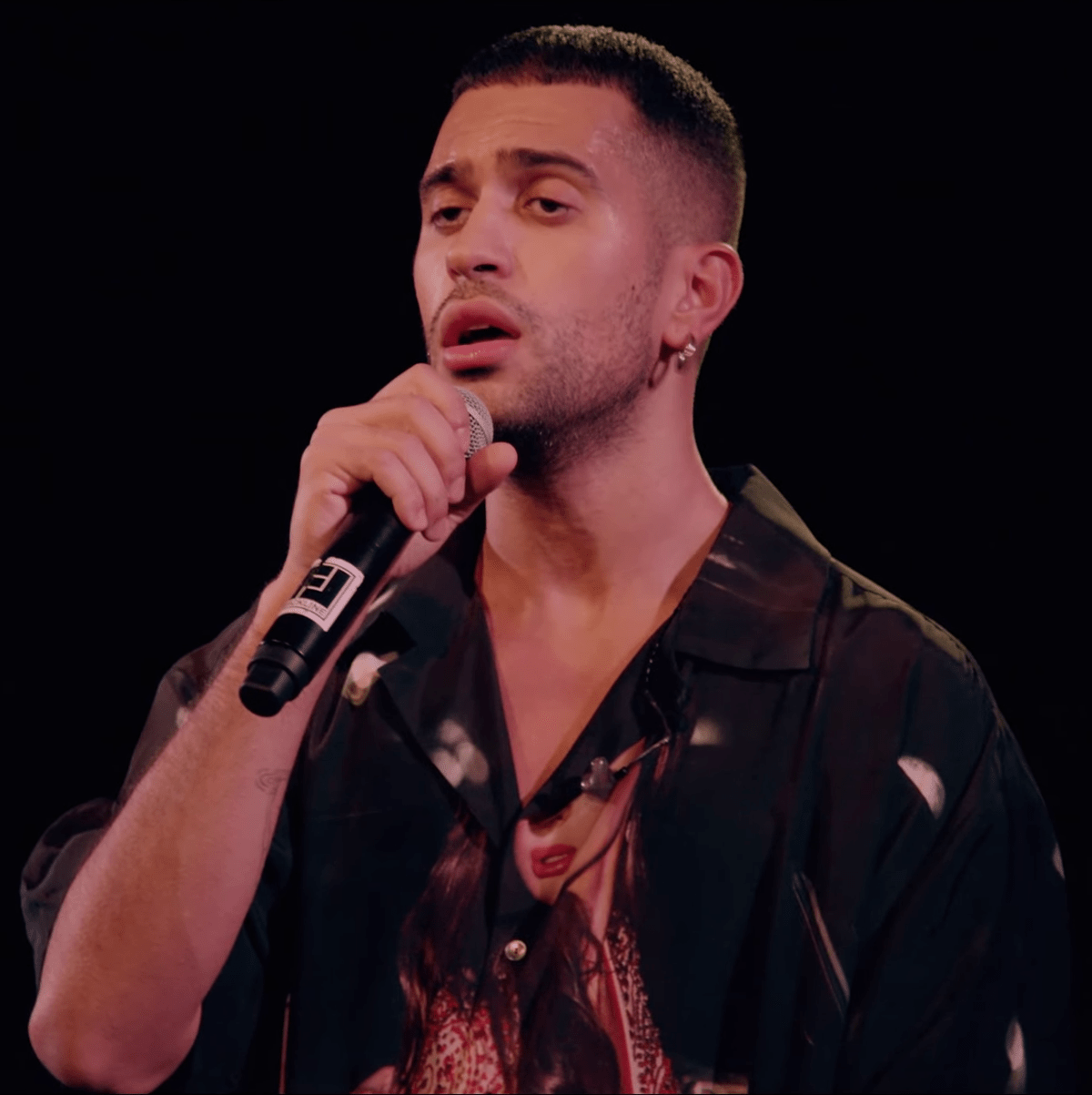
Alessandro Mahmoud, known professionally as Mahmood, has become a defining figure in contemporary Italian music. Born on September 12, 1992, in Milan, Italy, Mahmood’s rise to fame is a testament to his unique blend of musical talent, cultural heritage, and lyrical depth. His story is one of perseverance, artistic evolution, and a journey through the diverse musical landscapes that have shaped his career. This article explores Mahmood’s age, fame, and life highlights, providing detailed insights into the artist’s journey from his early beginnings to becoming a celebrated international star.
Early Life and Cultural Heritage
Mahmood was born to an Egyptian father and a Sardinian mother, a cultural background that would later influence his music profoundly. Growing up in Milan, Mahmood was exposed to a mix of cultural and musical influences from an early age. His upbringing in a multicultural environment allowed him to develop a rich and diverse musical palette, combining elements of traditional Italian music with the rhythms and sounds of his father’s Egyptian heritage.
Despite the challenges of growing up in a household with a single mother after his father left the family when Mahmood was young, he found solace in music. Mahmood began studying music at a young age, focusing on singing and songwriting. His passion for music led him to participate in local singing competitions and talent shows, where he began to hone his craft.
Early Career and “X Factor” Experience
Mahmood’s first significant step towards fame came in 2012 when he participated in the sixth season of the Italian version of “X Factor.” At just 19 years old, Mahmood was placed in the “Under Men” category, mentored by Simona Ventura, a well-known Italian television host and producer. Although Mahmood was initially eliminated during the “Home Visits” stage, he was later brought back into the competition through a public vote. Despite his return, Mahmood was eliminated again in the third live show.
Although his journey on “X Factor” was short-lived, it provided Mahmood with valuable exposure and experience in the music industry. Rather than being discouraged by his early exit, Mahmood used this experience as a stepping stone to further develop his musical identity. He began writing and producing his own songs, experimenting with different styles and genres.
Breaking Through: Area Sanremo and “Dimentica”
Mahmood’s determination and hard work began to pay off in 2015 when he won the “Area Sanremo” competition, a prestigious contest that grants emerging artists the opportunity to perform at the Sanremo Music Festival, one of Italy’s most famous and influential music festivals. Winning “Area Sanremo” allowed Mahmood to compete in the “Nuove Proposte” (Newcomers) category at the Sanremo Music Festival in 2016.
At Sanremo, Mahmood performed his song “Dimentica,” which showcased his unique style—a blend of pop, R&B, and Mediterranean influences. The song was well-received, and although Mahmood did not win, finishing fourth in his category, it marked a significant milestone in his career. “Dimentica” provided Mahmood with increased visibility and set the stage for his future success.
Collaborations and Songwriting Success
In the years following his Sanremo debut, Mahmood continued to build his career, not only as a performer but also as a songwriter for other artists. His ability to craft compelling lyrics and melodies caught the attention of several established Italian musicians, leading to collaborations with artists such as Elodie, Michele Bravi, and Marco Mengoni.
One of his notable songwriting achievements was the platinum-certified track “Nero Bali,” performed by Elodie featuring Michele Bravi and Gué Pequeno. Mahmood’s songwriting style, characterized by its emotional depth and contemporary sound, resonated with both artists and audiences alike. His growing reputation as a talented songwriter further solidified his position in the Italian music industry.
The Breakthrough: “Gioventù Bruciata” and Sanremo 2019
Mahmood’s breakthrough year came in 2018 when he released his first extended play (EP) titled “Gioventù Bruciata” (Burnt Youth). The EP was a critical success and featured a mix of introspective lyrics and innovative production. The title track, “Gioventù Bruciata,” became a significant hit and helped Mahmood win the “Sanremo Giovani” competition in December 2018, a contest that provides emerging artists with a platform at the Sanremo Music Festival.
Winning “Sanremo Giovani” earned Mahmood a coveted spot in the main competition of the Sanremo Music Festival in 2019. He entered the festival with the song “Soldi,” a powerful track co-written with producers Dardust and Charlie Charles. “Soldi” (Money) is a deeply personal song that reflects Mahmood’s complex relationship with his father and the broader themes of family, betrayal, and the pursuit of wealth.
The Phenomenon of “Soldi”
“Soldi” quickly became a phenomenon, captivating audiences with its infectious beat, memorable chorus, and poignant lyrics. The song’s fusion of contemporary pop with Arabic musical elements, including the use of clapping and a Middle Eastern-inspired melody, set it apart from the typical entries at Sanremo. Mahmood’s performance was both emotional and electrifying, resonating with a wide audience.
To the surprise of many, Mahmood won the Sanremo Music Festival in 2019, beating out more established artists. His victory was significant for several reasons: it marked the first time an artist of mixed Italian-Egyptian heritage had won the festival, and it signaled a shift in the Italian music scene towards more diverse and globally influenced sounds.
The success of “Soldi” extended beyond Italy, as the song went on to represent Italy at the Eurovision Song Contest 2019 in Tel Aviv, Israel. Mahmood delivered a powerful performance at Eurovision, where he finished in second place, just shy of winning the competition. “Soldi” became one of the most streamed Eurovision songs of all time, further boosting Mahmood’s international profile.
International Recognition and Awards
Following his success at Sanremo and Eurovision, Mahmood’s career reached new heights. “Soldi” became a chart-topping hit across Europe, and Mahmood was quickly recognized as one of Italy’s most promising young artists. In 2019, he was awarded the “Best Italian Act” at the MTV Europe Music Awards, cementing his status as a leading figure in Italian pop music.
Mahmood’s music, characterized by its blend of contemporary pop, R&B, and traditional Mediterranean sounds, began to attract a global audience. His ability to seamlessly integrate different musical influences, combined with his emotive songwriting, set him apart as a unique and innovative artist.
Continued Success: “Ghettolimpo” and Beyond
In June 2021, Mahmood released his second studio album, “Ghettolimpo.” The album further showcased his evolution as an artist, featuring a mix of introspective tracks and upbeat anthems. “Ghettolimpo” explored themes of identity, fame, and the struggles of life in the spotlight, all while maintaining Mahmood’s signature sound.
The album included hits like “Inuyasha” and “Klan,” which received significant airplay and praise from critics. “Ghettolimpo” solidified Mahmood’s place in the Italian music scene and demonstrated his ability to continuously innovate and push the boundaries of pop music.
In 2022, Mahmood returned to the Sanremo Music Festival, this time competing in a duet with the young Italian artist Blanco. Their song “Brividi” (Shivers) captivated audiences with its emotional depth and vocal chemistry. “Brividi” went on to win the 72nd edition of Sanremo, making it Mahmood’s second victory at the prestigious festival. The song became an instant hit, topping the charts in Italy and further establishing Mahmood’s reputation as one of the country’s leading music stars.
Mahmood’s success at Sanremo 2022 also earned him another opportunity to represent Italy at the Eurovision Song Contest, where he and Blanco delivered a memorable performance that further increased their popularity.
Mahmood’s Impact on Italian and Global Music
Mahmood’s rise to fame is significant not just for his personal achievements, but also for what it represents in the broader context of Italian and global music. As a second-generation Italian with Egyptian roots, Mahmood brings a diverse cultural perspective to his music, challenging traditional notions of what Italian pop music can be.
His success has opened doors for other artists from multicultural backgrounds, highlighting the changing face of Italian society. Mahmood’s music, with its blend of different cultural influences, has helped to redefine Italian pop music for a new generation, making it more inclusive and globally resonant.
Moreover, Mahmood’s ability to connect with audiences through his honest and often introspective lyrics has made him a voice for young people grappling with issues of identity, family, and belonging. His music speaks to the universal human experience, transcending cultural and linguistic barriers.
Conclusion
Mahmood’s journey from a young boy growing up in Milan to an international music sensation is a story of perseverance, talent, and the power of music to transcend boundaries. At just 30 years old, Mahmood has already achieved more than many artists do in a lifetime, with multiple Sanremo victories, international hits, and a growing global fanbase.
As he continues to evolve as an artist, there is no doubt that Mahmood will remain a significant figure in the music industry, both in Italy and around the world. His ability to blend different cultural influences and create music that resonates with a wide audience ensures that Mahmood’s legacy will endure for years to come.


