
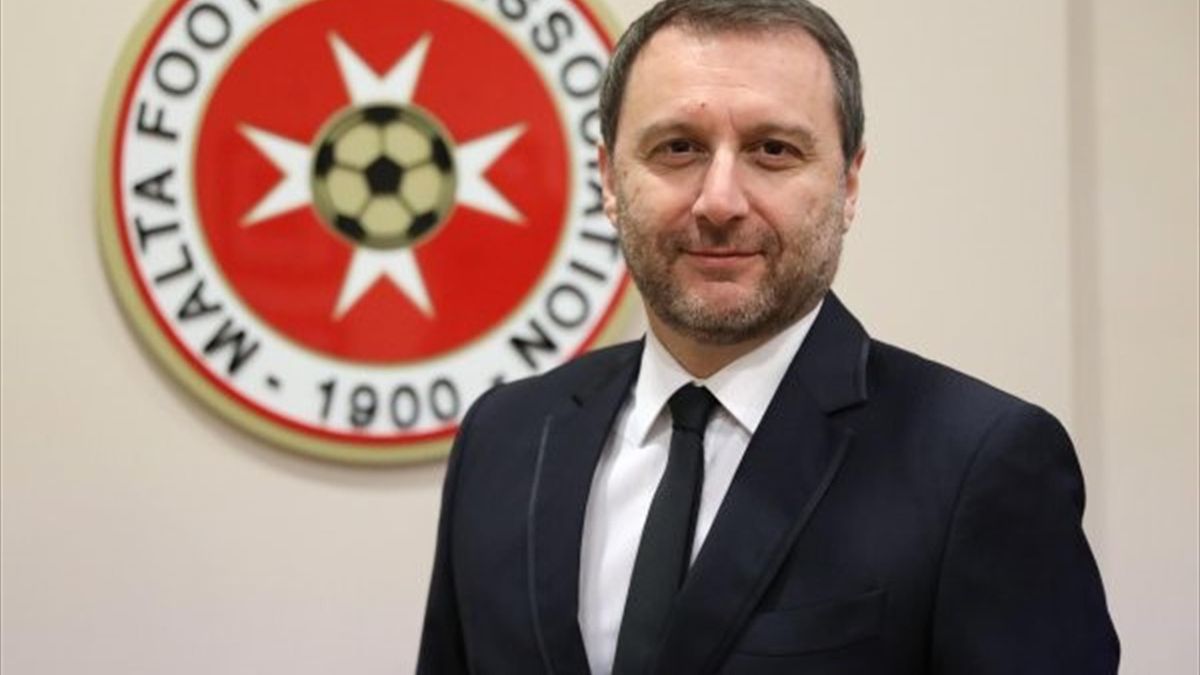
Devis Mangia is a name that resonates within the world of football, particularly in Italy, where his journey from a young football enthusiast to a prominent coach has captured the attention of many. Born on June 6, 1974, in Cernusco sul Naviglio, near Milan, Mangia’s career is marked by his rapid rise through the coaching ranks, culminating in his role as a national team coach. This article delves into the life, career, and significant moments of Devis Mangia, offering a comprehensive view of his contributions to football, his challenges, and his legacy.
Early Life and Introduction to Football
Devis Mangia was born into a family that, while not deeply entrenched in the world of sports, supported his early interest in football. His father, Michele, and his mother, Mariangela, encouraged him as he began his football journey. Mangia started playing as a goalkeeper in the youth teams of Cernusco, his hometown club. His passion for the game was evident, and he quickly became a dedicated player.
However, at the age of 20, Mangia made the difficult decision to hang up his boots and focus on his studies. He pursued a scientific diploma at the Giordano Bruno high school in Melzo and later enrolled in the Faculty of Law. Despite stepping away from playing, his love for football never waned. He began to explore the idea of coaching, a decision that would set the course for his future career.
Transition to Coaching: The Early Years
Mangia’s transition from player to coach began in the youth sector, where he found his footing. His first coaching role was with the youth teams of Enotria 1908, a small club affiliated with Inter Milan. This position allowed him to develop his coaching philosophy and gain valuable experience working with young players.
By 2000, Mangia had become involved in organizing youth tournaments with Sport Leader, further cementing his role in the development of young talent. His coaching career started to take shape as he moved on to work with the youth teams of Voghera and Fiorenzuola, both clubs in northern Italy. These early roles were crucial in shaping Mangia’s understanding of the game from a coach’s perspective and preparing him for the challenges ahead.
First Taste of Success: Varese and Beyond
Mangia’s first major opportunity came in 2004 when he was appointed as the head coach of Varese, a team competing in the Eccellenza, the fifth tier of Italian football. At just 30 years old, Mangia was tasked with leading a senior team, and he did not disappoint. Over the course of two seasons, he guided Varese to promotion to Serie C2, marking the club’s return to semi-professional football. This achievement was a testament to Mangia’s tactical acumen and his ability to motivate and manage his players effectively.
Following his success with Varese, Mangia took on the challenge of coaching Tritium, a team based in Trezzo sull’Adda. Under his leadership, Tritium finished second in their league, further establishing Mangia as a promising young coach. His efforts did not go unnoticed, and he soon earned his second-category coaching license, which allowed him to coach at higher levels.
However, Mangia’s coaching journey was not without its setbacks. His tenure at Ivrea, a club in Piedmont, was less successful. After struggling to achieve the desired results, Mangia was replaced before the season’s end. Despite this disappointment, Mangia remained in Piedmont, taking on the role of head coach at Valenzana, where he successfully led the team to safety in the league.
Rising Through the Ranks: Palermo and the Primavera Team
In 2010, Mangia returned to Varese, this time to coach the Primavera (youth) team. His impact was immediate, leading the team to the final of the national championship, where they were narrowly defeated by Roma after extra time. This achievement caught the attention of higher-profile clubs, and in the summer of 2011, Mangia made a significant career move.
Mangia followed Sean Sogliano, the sporting director of Varese, to Palermo, where he was initially appointed as the head coach of the Primavera team. However, fate had other plans. Just before the start of the Serie A season, Palermo’s first-team coach, Stefano Pioli, was dismissed, and Mangia was unexpectedly promoted to head coach of the senior team. At 37, Mangia found himself at the helm of a Serie A club, a significant milestone in his career.
A Stint in Serie A: Palermo and the Challenges of Top-Tier Football
Mangia’s debut as a Serie A coach was nothing short of spectacular. On September 11, 2011, Palermo faced Inter Milan in their opening match of the season. In a thrilling encounter, Palermo emerged victorious with a 4-3 win, marking Mangia’s arrival on the big stage. This victory, along with subsequent positive results, earned Mangia a contract extension and a substantial salary increase.
However, the honeymoon period was short-lived. As the season progressed, Palermo’s form began to dip, leading to mounting pressure on Mangia. Despite reaching the milestone of 100 professional matches as a coach with a win over Fiorentina in November, Mangia’s tenure at Palermo came to an abrupt end in December 2011. Following a loss to Catania in the Sicilian derby and elimination from the Coppa Italia, Palermo’s president, Maurizio Zamparini, decided to part ways with Mangia.
National Team Coaching: Italy Under-21 and European Success
Following his departure from Palermo, Mangia focused on furthering his coaching qualifications. In July 2012, he earned his first-category coaching license from Coverciano, Italy’s premier coaching school, with top marks. This achievement qualified him to coach any Serie A team, but a new opportunity soon presented itself.
In the summer of 2012, Mangia was appointed as the head coach of the Italy Under-21 national team. This role represented a significant step in his career, allowing him to work with some of the country’s most promising young talents. Mangia’s tenure with the Under-21s was marked by success. He led the team to qualification for the 2013 UEFA European Under-21 Championship, topping their group and defeating Sweden in the playoffs to secure a place in the tournament.
The 2013 European Championship in Israel was a highlight of Mangia’s career. Under his guidance, Italy reached the final, where they faced a formidable Spain team. Although Italy finished as runners-up, Mangia’s work with the Under-21s earned widespread praise, and he was recognized as one of the country’s top coaching talents.
Challenges and Controversies: Coaching in Malta and Beyond
In 2019, Mangia embarked on a new challenge when he was appointed as the head coach of the Malta national team. This role was seen as an opportunity for Mangia to apply his experience and knowledge on the international stage, helping to develop football in a country with limited resources and a relatively small footballing tradition.
Mangia’s tenure with Malta saw some positive results, including notable performances in the UEFA Nations League. However, his time in Malta was overshadowed by controversy. In September 2022, Mangia was suspended from his role following allegations of sexual misconduct involving a national team player. This suspension marked a significant setback in Mangia’s career and brought unwanted attention to both him and the Malta Football Association.
Legacy and Impact on Football
Despite the challenges and controversies that have marked his career, Devis Mangia’s contributions to football cannot be overlooked. His rapid rise from youth coaching to managing in Serie A and on the international stage demonstrates his deep understanding of the game and his ability to adapt to different levels of competition.
Mangia’s work with the Italy Under-21 team, in particular, stands out as a significant achievement. His ability to nurture young talent and guide them to success at the European Championship is a testament to his coaching abilities. Many of the players he coached during this period have gone on to have successful careers at the highest levels of football.
Conclusion: The Complex Journey of Devis Mangia
Devis Mangia’s journey in football is a story of talent, ambition, and the challenges that come with success. From his early days as a youth coach in Lombardy to his roles with top clubs and national teams, Mangia has experienced the highs and lows of a career in football. His ability to achieve success at various levels of the game highlights his versatility as a coach.
However, Mangia’s career has also been marked by controversy, particularly the recent allegations during his time with Malta. These challenges serve as a reminder of the complexities of a career in football, where personal and professional pressures can intersect in difficult ways.
As Mangia’s career continues to evolve, his legacy in football will be shaped not only by his successes on the pitch but also by how he navigates the challenges and controversies that come his way. For now, Devis Mangia remains a figure of significant interest in the world of football, a coach whose journey is far from over.


