
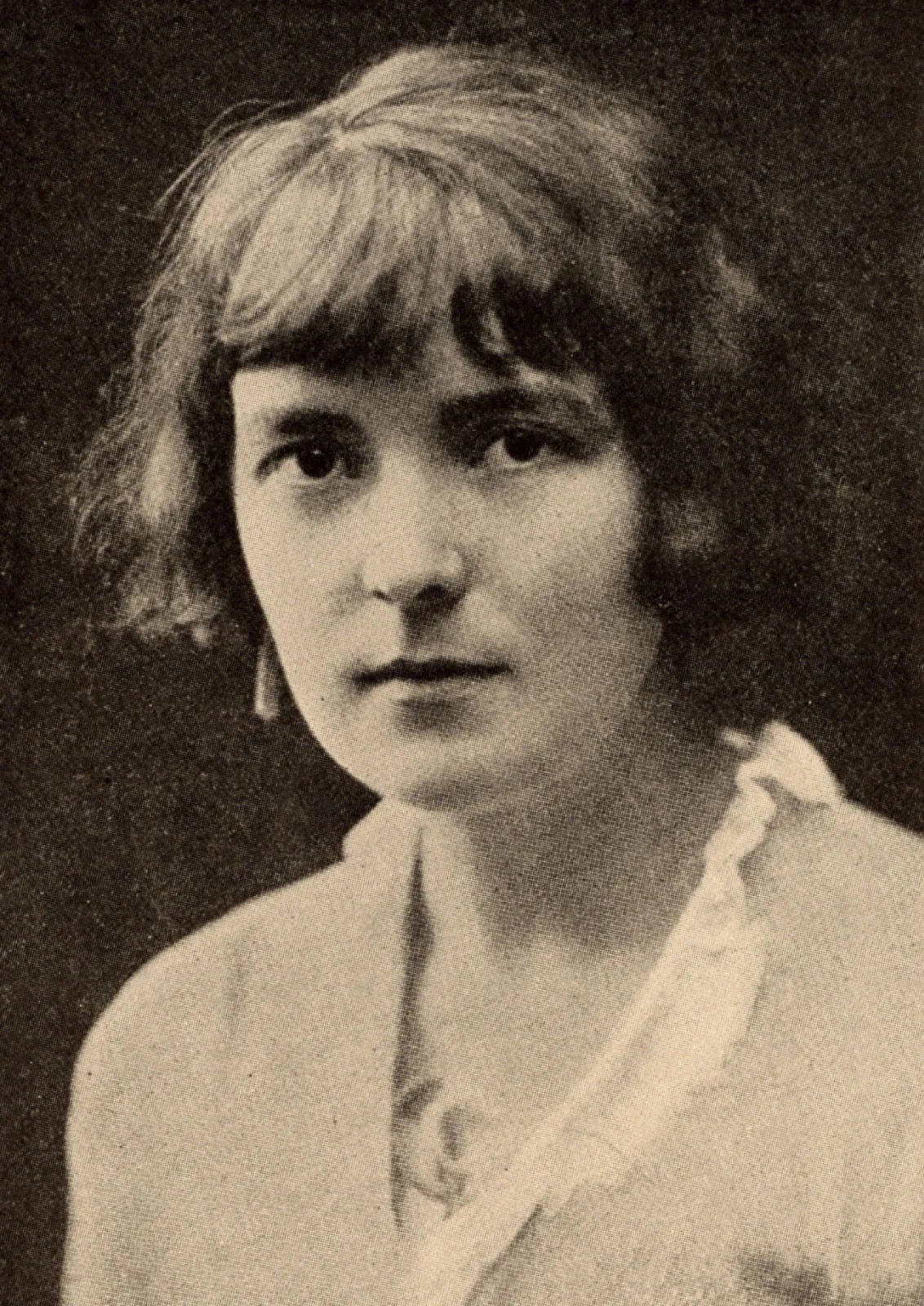
Katherine Mansfield is a name synonymous with innovation in modernist literature. Born Kathleen Mansfield Beauchamp on October 14, 1888, in Wellington, New Zealand, she became one of the most distinguished writers of the early 20th century. Her work, characterized by a delicate yet profound narrative style, left an indelible mark on English literature. This article delves into her life, exploring her early years, rise to fame, and the circumstances that shaped her legacy.
Early Life and Background
Katherine Mansfield was born into a prosperous family in New Zealand. Her father, Harold Beauchamp, was a successful businessman, and her mother, Annie Burnell, was a refined and sensitive woman who greatly influenced Mansfield’s perceptions of femininity and domesticity. From an early age, Mansfield displayed a keen interest in literature, a passion that would later define her career.
At the age of 15, Mansfield was sent to Queen’s College in London, where she completed her education. The move to England marked the beginning of her journey toward becoming a literary figure. During her time at Queen’s College, Mansfield was exposed to the works of contemporary writers and thinkers, which significantly influenced her literary style.
The Move to London and the Beginning of a Literary Career
In 1903, Mansfield left New Zealand for London, a decision that would set the stage for her future as a writer. London’s vibrant literary scene provided her with the inspiration and opportunities she needed to hone her craft. However, her journey was not without challenges. Mansfield struggled with her identity, often feeling torn between her New Zealand roots and the cultural richness of England.
Mansfield’s early works, written during this period, reflect her internal conflict and exploration of identity. Her stories often feature characters who, like herself, grapple with feelings of displacement and a longing for connection. It was in London that Mansfield began to establish herself as a writer, publishing her first collection of short stories, “In a German Pension,” in 1911.
Relationships and Personal Struggles
Mansfield’s personal life was marked by a series of tumultuous relationships. In 1909, she married George Bowden, a tenor, but the marriage ended in separation the same day. Mansfield’s romantic relationships often influenced her writing, with themes of love, betrayal, and emotional turmoil appearing frequently in her stories.
Her most significant relationship was with John Middleton Murry, a literary critic whom she married in 1918. Murry played a crucial role in Mansfield’s career, supporting her work and later publishing her journals and letters posthumously. Despite their deep connection, their relationship was fraught with difficulties, exacerbated by Mansfield’s declining health.
The Impact of Tuberculosis on Her Life and Work
In 1917, Mansfield was diagnosed with tuberculosis, a disease that would eventually claim her life. This diagnosis profoundly affected her writing, imbuing it with a sense of urgency and a deep exploration of mortality. Mansfield sought treatment in various sanatoriums across Europe, but her condition continued to deteriorate.
During her illness, Mansfield’s writing reached new heights. Her stories became more introspective, focusing on the fleeting nature of life and the complexities of human relationships. Her illness also deepened her connection to other writers who grappled with similar themes, such as Anton Chekhov, whose influence is evident in her work.
Literary Style and Contributions
Katherine Mansfield is best known for her mastery of the short story form. Unlike many of her contemporaries who focused on novels, Mansfield’s genius lay in her ability to convey deep emotional truths within the confines of a short narrative. Her stories often center around small, seemingly insignificant moments that reveal the complexities of her characters’ inner lives.
Mansfield’s writing is characterized by its use of stream-of-consciousness, a technique that allows readers to experience the thoughts and emotions of her characters in real-time. This style, along with her focus on the psychological depth of her characters, places her work in the modernist literary tradition alongside figures like Virginia Woolf and James Joyce.
Connections with Contemporary Writers
Mansfield’s time in London brought her into contact with some of the most prominent literary figures of her time. She formed a close friendship with Virginia Woolf, who admired Mansfield’s work despite feeling a certain jealousy towards her talent. Their relationship was complex, marked by both admiration and rivalry.
Mansfield also associated with other intellectuals, including D.H. Lawrence and Bertrand Russell. These connections not only influenced her writing but also solidified her place in the literary circles of the early 20th century. Woolf, in particular, played a crucial role in Mansfield’s career, publishing several of her works through her Hogarth Press.
Legacy and Posthumous Recognition
Katherine Mansfield passed away on January 9, 1923, at the age of 34, in Fontainbleu, France. Her death cut short a promising career, but her legacy lived on through the posthumous publication of her journals and letters. These works provide a deeply personal insight into her thoughts, fears, and creative process, offering readers a glimpse into the mind of one of the most innovative writers of her time.
In 1945, the complete collection of Mansfield’s short stories was published, cementing her reputation as a pioneer of modernist literature. Her work continues to be studied and celebrated for its nuanced exploration of human experience and its groundbreaking use of narrative techniques.
The Influence of Katherine Mansfield on Modern Literature
Mansfield’s influence on modern literature cannot be overstated. Her approach to storytelling, with its focus on the internal lives of characters and the use of fragmented, non-linear narratives, paved the way for future generations of writers. Her stories often explore themes of isolation, identity, and the passage of time, themes that resonate deeply with readers even today.
Mansfield’s ability to capture the fleeting moments of life with such clarity and emotional depth has made her a beloved figure in literary history. Her work continues to inspire writers and readers alike, offering timeless insights into the human condition.
Conclusion
Katherine Mansfield’s life and work are a testament to the power of literature to capture the complexities of human experience. Her contributions to the short story form and her innovative narrative techniques have left an enduring legacy that continues to influence writers and readers around the world. Despite her short life, Mansfield’s impact on literature is profound, and her stories remain a vital part of the modernist canon.
Her journey from New Zealand to the heart of the literary world in London, her struggles with illness, and her relationships with other literary figures all contribute to the rich tapestry of her life. Katherine Mansfield was more than just a writer; she was a revolutionary force in literature, whose work continues to resonate with audiences nearly a century after her death.


