
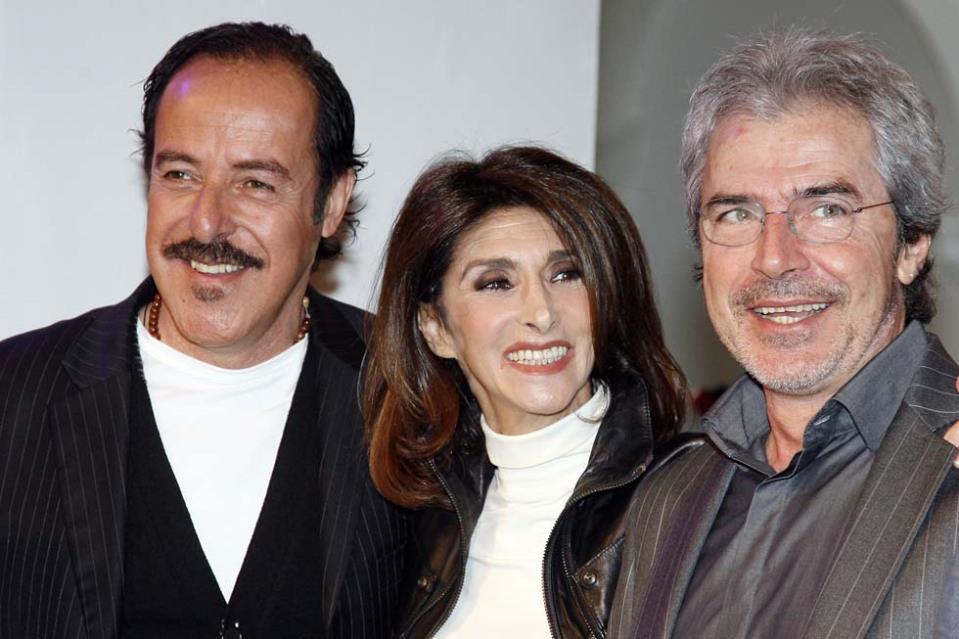
Anna Marchesini was a celebrated Italian actress, comedian, voice actress, and writer whose influence on Italian entertainment spanned several decades. Born on November 18, 1953, in Orvieto, Italy, Marchesini became a beloved figure in Italian comedy, best known for her work as part of the “Trio” alongside Massimo Lopez and Tullio Solenghi. Her career was marked by versatility, sharp wit, and an ability to connect with audiences through both her comedic and dramatic talents. This article provides an in-depth look at the life of Anna Marchesini, her rise to fame, her contributions to Italian culture, and her lasting legacy.
Early Life and Education
Anna Marchesini was born into a modest family in Orvieto, a picturesque town in central Italy. From a young age, she displayed a keen interest in the performing arts, particularly theater. This passion led her to pursue formal training in acting, and she eventually enrolled at the prestigious Accademia Nazionale d’Arte Drammatica in Rome, where she honed her craft. Her education at the Accademia laid the foundation for a career that would span both stage and screen.
Marchesini made her theatrical debut in a production of Molière’s Il borghese gentiluomo, directed by Tino Buazzelli. This experience in classical theater provided her with a strong grounding in dramatic performance, but it was her comedic talents that would soon propel her to national fame.
The Trio: A Comedy Phenomenon
Anna Marchesini’s career took a significant turn in the early 1980s when she met Massimo Lopez during a dubbing session for the animated series Supercar Gattiger. The two quickly formed a comedic bond, and together with Tullio Solenghi, they created the “Trio,” a comedy group that would become one of Italy’s most beloved entertainment acts.
The Trio made their debut on Italian radio with the program Helzapoppin on RadioDue in 1982. The show’s success was immediate, leading to their first television appearance in 1984 on the show Tastomatto, where they performed alongside Lorella Cuccarini. It was here that the Trio began to develop and perform the sketches that would become their trademark, including parodies of news broadcasts and commercials.
The Trio’s humor was characterized by its sharp satire, clever wordplay, and the ability to tackle contemporary issues with a lighthearted yet incisive approach. Their success on television was further cemented with appearances on popular shows such as Domenica In and Fantastico 7. The group also performed at the prestigious Sanremo Music Festival in 1986, 1987, and 1989, where their comedic sketches became a highlight of the event.
The Peak of Success: I Promessi Sposi
The pinnacle of the Trio’s success came in 1990 with their parody of Alessandro Manzoni’s literary classic I promessi sposi. The show, which aired on RaiUno in five episodes, was a comedic reinterpretation of the novel, blending humor with literary critique. The parody was a massive success, attracting millions of viewers and becoming a cultural phenomenon in Italy. The Trio’s ability to balance respect for the source material with their unique comedic style made I promessi sposi one of the most memorable productions in Italian television history.
Despite their tremendous success, the Trio disbanded in 1994. Although there was no official announcement of their split, the members pursued individual careers. Marchesini, in particular, focused on her personal life, especially after the birth of her daughter Virginia in 1993. However, she did not completely step away from the spotlight, continuing to work in television and theater.
Solo Career and Television Work
After the Trio disbanded, Anna Marchesini continued to make significant contributions to Italian entertainment, both as a solo performer and in collaboration with others. She appeared in several television films, including Ci vediamo in tribunale (1996) and Primo cittadino (1997). In 1998, she co-hosted Domenica In alongside Giancarlo Magalli, showcasing her versatility as both a comedian and a presenter.
Marchesini’s ability to create memorable characters was evident in her solo work. In 1999, she returned to television with Quelli che il calcio, where her parodies and caricatures delighted audiences. Her portrayals of famous figures like Nobel laureate Rita Levi Montalcini and actress Gina Lollobrigida became iconic.
Her first solo theater show, Parlano da sole (1999), allowed her to further explore her comedic talents. This period also saw her venture into writing, with the publication of her book Che siccome che sono cecata in 2000. The title, which translates to “Since I’m blind,” referenced one of her most famous characters, the Signorina Carlo, known for her malapropisms and comedic misunderstandings.
Theater and Literary Contributions
Marchesini’s love for the theater remained strong throughout her career. In 2001, she starred in Una patatina nello zucchero, and in 2003, she performed in La cerimonia del massaggio, adapted from a story by Alan Bennett. These performances demonstrated her range as an actress, as she seamlessly transitioned from comedy to more nuanced dramatic roles.
In 2005, she starred in Le due zittelle, a comedic adaptation of Tommaso Landolfi’s novel. Her work in the theater was highly acclaimed, and she was recognized as one of Italy’s foremost performers.
In addition to her acting, Marchesini was a prolific writer. In 2011, she published her first novel, Il Terrazzino dei gerani timidi, which sold over 60,000 copies. The novel was followed by Di mercoledì in 2012 and Moscerine in 2013. Her literary works reflected her keen observational skills and her ability to infuse humor into everyday life.
Health Challenges and Legacy
In the later years of her life, Anna Marchesini faced significant health challenges. She was diagnosed with rheumatoid arthritis, a condition that caused her considerable pain and led to a period of absence from the public eye. Despite her illness, Marchesini made a triumphant return to television in 2008, reuniting with Lopez and Solenghi for a special program celebrating the Trio’s 25th anniversary. The show, titled Non esiste più la mezza stagione, was a nostalgic look back at their most famous sketches and a celebration of their enduring legacy.
Marchesini also continued to work in the theater, directing and starring in Giorni felici, a two-act play by Samuel Beckett. Her performance in this challenging role was a testament to her resilience and dedication to her craft.
Anna Marchesini passed away on July 30, 2016, at the age of 62, in her hometown of Orvieto. Her death was a great loss to the Italian entertainment industry, but her work continues to inspire new generations of performers.
The Enduring Impact of Anna Marchesini
Anna Marchesini’s legacy extends far beyond her work with the Trio. She was a trailblazer for women in Italian comedy, proving that female comedians could command the stage and capture the hearts of audiences just as effectively as their male counterparts. Her ability to blend humor with social commentary, and her skill in creating unforgettable characters, ensured that she would be remembered as one of Italy’s most talented and beloved entertainers.
Her work in television, theater, and literature demonstrated a versatility that few performers could match. Whether she was making audiences laugh with her comedic sketches, moving them with her dramatic performances, or engaging them with her written words, Anna Marchesini left an indelible mark on Italian culture.
In reflecting on Anna Marchesini’s life and career, it is clear that her contributions to the arts were profound and far-reaching. She was not only a gifted performer but also a pioneer who helped shape the landscape of Italian entertainment. Her legacy lives on through her work, which continues to be celebrated by fans and scholars alike.
As a performer, Anna Marchesini was known for her ability to connect with audiences on a deeply personal level. Her humor was universal, yet distinctly Italian, capturing the quirks and idiosyncrasies of everyday life with wit and charm. Her characters, whether in comedy or drama, were always infused with a sense of authenticity that resonated with viewers.
Marchesini’s influence on Italian culture is undeniable. She broke barriers for female comedians and set a standard for excellence in both television and theater. Her work remains a touchstone for aspiring performers and a reminder of the power of humor to transcend time and place.
In conclusion, Anna Marchesini’s life was one of creativity, resilience, and immense talent. She will be remembered not only for the joy she brought to countless audiences but also for her contributions to the arts that continue to inspire and entertain. Her story is a testament to the enduring power of comedy and the lasting impact of a truly remarkable artist.


