
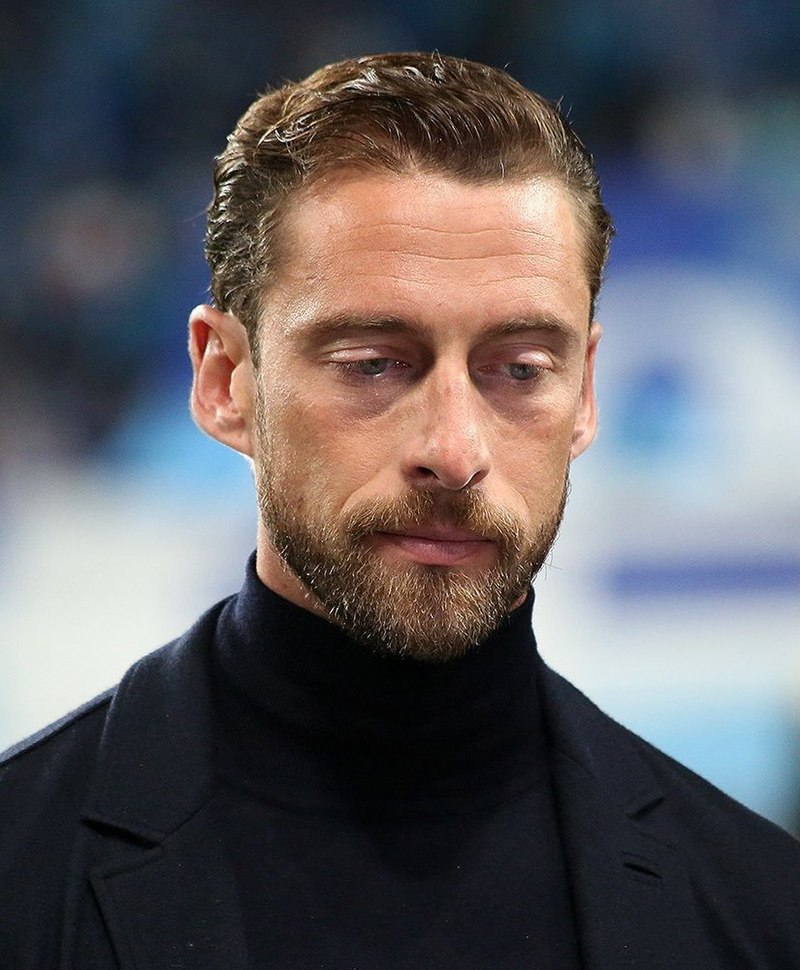
Claudio Marchisio, born on January 19, 1986, in Turin, Italy, is widely recognized as one of Italy’s most talented and respected footballers of his generation. His career, which spanned over a decade, was predominantly spent at Juventus, where he earned the nickname “Il Principino” or “The Little Prince” due to his elegance on the field and his composed demeanor. Marchisio’s journey from the youth ranks of Juventus to becoming a key figure in both the Italian national team and his club is a story of dedication, talent, and passion for the sport. This article provides a comprehensive overview of Claudio Marchisio’s age, fame, and life highlights, reflecting on his significant contributions to football.
Early Life and Entry into Juventus
Claudio Marchisio’s love affair with Juventus began at an incredibly young age. Born and raised in Turin, the city of the Old Lady, Marchisio joined the Juventus youth academy when he was just seven years old. His early years in the academy were marked by rapid development, a deep understanding of the game, and a relentless work ethic. As he progressed through the ranks, Marchisio showcased not only his technical ability but also a leadership quality that would later define his career.
In the Juventus youth setup, Marchisio excelled and became a standout performer for the Primavera team, the club’s U-19 squad. His efforts were rewarded when he helped the team win the prestigious Viareggio Tournament in 2005, a key event that showcased young talents across Europe. His performances did not go unnoticed, and he was frequently called up to train with the first team under the guidance of Fabio Capello during the 2005-2006 season. However, Marchisio did not get the chance to make his senior debut that season.
The Calciopoli Scandal and Rise to the First Team
The 2006-2007 season was a turning point not just for Marchisio, but for Juventus as a whole. Following the Calciopoli scandal, Juventus was relegated to Serie B as punishment. This relegation created an opportunity for many young players, including Marchisio, to step up and prove their worth. Under the guidance of coach Didier Deschamps, Marchisio made his professional debut for Juventus on October 29, 2006, in a match against Frosinone. Just days later, he made his first start against Brescia.
Throughout the season, Marchisio became a regular fixture in the team, displaying maturity beyond his years and contributing significantly to Juventus’s campaign to return to Serie A. He made 25 appearances during the season, helping the club secure promotion back to Italy’s top flight. His performances were characterized by his tactical awareness, stamina, and ability to break up opposition play, earning him the trust of his teammates and coaches alike.
Loan to Empoli and Return to Juventus
To gain more experience, Marchisio was loaned to Empoli for the 2007-2008 season. His debut in Serie A came on August 26, 2007, against Fiorentina, and he quickly established himself as a regular starter. Marchisio’s time at Empoli was invaluable as it provided him with consistent playing time at the highest level of Italian football. He made 26 Serie A appearances and played in two UEFA Cup matches, gaining crucial experience in European competition. Despite Empoli’s relegation at the end of the season, Marchisio’s individual performances were commendable, and he returned to Juventus more prepared and confident.
Back with Juventus for the 2008-2009 season, Marchisio continued to develop as a player. His Champions League debut came on August 26, 2008, in a preliminary round match against Artmedia Bratislava, marking his first appearance in Europe’s premier club competition with Juventus. Marchisio scored his first Serie A goal on January 24, 2009, in a victory against Fiorentina, signaling his growing influence on the team. By the end of the season, he had firmly established himself as a key member of the squad, known for his versatility, intelligence, and ability to contribute both defensively and offensively.
Establishing Himself as a Key Player
As Marchisio continued to grow in stature at Juventus, his performances began to attract wider recognition. During the 2008-2009 season, he played a pivotal role in Juventus’s midfield, combining technical skill with a tireless work rate. His ability to read the game, coupled with his knack for scoring important goals, made him an indispensable player for the club. This period also saw him earn a contract extension until 2014, a testament to the club’s faith in his abilities.
Despite a knee injury in the fall of 2009 that sidelined him for over a month, Marchisio’s resilience shone through as he returned to action and continued to be a central figure for Juventus. On March 11, 2010, he captained Juventus for the first time in a Europa League match against Fulham, showcasing his leadership qualities at just 24 years old. This milestone was a significant moment in his career, symbolizing his rise from the youth ranks to a leadership role within the team.
National Team Contributions and the 2010 World Cup
Marchisio’s consistent performances at the club level soon earned him a place in the Italian national team. He made his debut for the senior team on August 12, 2009, in a friendly against Switzerland. Known for his versatility, Marchisio was able to adapt to various roles within the midfield, whether as a defensive midfielder, a box-to-box player, or an attacking option. This versatility made him a valuable asset for the national team.
He was selected by Marcello Lippi for the 2010 FIFA World Cup squad in South Africa. Unfortunately, Italy’s campaign was disappointing, as the defending champions were eliminated in the group stage. Despite the setback, Marchisio’s involvement in the World Cup was a significant achievement in his career, representing his country on the world’s biggest stage and gaining invaluable experience.
Juventus’s Golden Era and Leadership Under Antonio Conte
The arrival of Antonio Conte as Juventus manager in the summer of 2011 marked a new chapter in Marchisio’s career. Conte’s appointment coincided with Juventus’s move to their new stadium, and the club underwent a transformation both on and off the pitch. Under Conte’s guidance, Marchisio’s role in the team evolved, and he became one of the driving forces behind Juventus’s resurgence in Italian football.
During the 2011-2012 season, Marchisio scored nine goals in Serie A, a career-high, including a memorable brace against AC Milan. His knack for scoring crucial goals in big matches earned him the reputation of a big-game player. Marchisio’s contributions were instrumental in Juventus winning the Serie A title unbeaten, marking the beginning of a period of dominance for the club. Over the next few seasons, Marchisio continued to be a key figure in the Juventus midfield, winning multiple league titles and domestic cups.
European Campaigns and Further Achievements
In addition to domestic success, Marchisio also played a vital role in Juventus’s European campaigns. The club reached the UEFA Champions League final in 2015, facing Barcelona in Berlin. Although Juventus fell short, losing 3-1, Marchisio’s performance throughout the tournament was lauded. His ability to maintain composure under pressure and dictate the pace of the game was crucial in Juventus’s deep run in Europe.
Marchisio’s consistent performances in both Serie A and the Champions League solidified his reputation as one of Europe’s premier midfielders. Known for his tactical intelligence, stamina, and ability to score from midfield, he became a symbol of Juventus’s resilience and fighting spirit. His ability to balance defensive duties with offensive contributions made him a unique asset to the team.
Injuries and Challenges
Despite his success, Marchisio’s career was not without its challenges. Injuries, particularly knee problems, began to take their toll on his body. In 2016, he suffered a significant anterior cruciate ligament (ACL) injury that kept him sidelined for several months. This injury marked the beginning of a challenging period for Marchisio, as he struggled to regain full fitness and return to his previous form.
Despite these setbacks, Marchisio remained a dedicated and influential figure at Juventus. His leadership qualities, both on and off the pitch, were evident as he continued to support his teammates and contribute whenever possible. However, the recurring injuries eventually led to a decline in his playing time, and in 2018, after 25 years at the club, Marchisio and Juventus mutually agreed to part ways.
Final Years and Retirement
After leaving Juventus, Marchisio joined Zenit Saint Petersburg in Russia, where he aimed to continue his playing career. Although he had a promising start with the club, injuries once again hampered his ability to perform consistently. After a single season with Zenit, Marchisio decided to terminate his contract and returned to Italy.
In October 2019, at the age of 33, Claudio Marchisio announced his retirement from professional football. In a heartfelt statement, he expressed his gratitude for the career he had and his love for Juventus, the club where he spent the majority of his life. His decision to retire was influenced by his desire to avoid further injuries and to spend more time with his family.
Legacy and Impact
Claudio Marchisio’s career is a testament to his dedication, passion, and love for the game of football. Known for his intelligence on the pitch, his technical skills, and his ability to perform under pressure, Marchisio earned the respect and admiration of fans, teammates, and opponents alike. His loyalty to Juventus and his ability to rise through the ranks to become a key player for both club and country is a story of perseverance and commitment.
Off the field, Marchisio has remained active in various capacities, including punditry and charity work. He is known for his philanthropic efforts and has been involved in several initiatives aimed at helping those in need. Marchisio’s impact on football, particularly at Juventus, is indelible, and he remains a beloved figure in the sport.
As a player who embodied the values of his club and his country, Claudio Marchisio’s legacy is one of excellence, leadership, and unwavering dedication. His journey from a young boy in Turin to one of Italy’s finest midfielders will continue to inspire future generations of footballers.


