
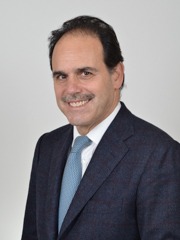
Andrea Marcucci, born on May 28, 1965, in Barga, Lucca, Italy, is a prominent figure in Italian politics and business. Known for his influential roles within the center-left political sphere and his significant contributions to the pharmaceutical industry, Marcucci’s life story is a blend of entrepreneurial success, political acumen, and deep-rooted family traditions. Over the years, he has carved out a reputation as a skilled politician, a loyal party member, and a business leader. This article delves into the life, career, and achievements of Andrea Marcucci, offering detailed insights into his journey.
Early Life and Family Background
Andrea Marcucci was born into a well-established and influential family in Barga, a small town in the province of Lucca, Tuscany. The Marcucci family is well-known for its entrepreneurial spirit, particularly in the pharmaceutical industry. Andrea’s father, Guelfo Marcucci, was a prominent figure in the pharmaceutical sector, establishing a family legacy that would significantly influence Andrea’s career path. His siblings, including his sister Marialina Marcucci and his brother Paolo Marcucci, also went on to hold prominent positions in various sectors, with Marialina becoming the Vice President of the Tuscany region and Paolo taking on the role of CEO in the family’s pharmaceutical business.
Growing up in such an environment, Andrea was exposed to the worlds of business and politics from an early age. This upbringing played a crucial role in shaping his interests and ambitions. After completing his secondary education, Marcucci decided to forgo a traditional university education to focus on business and politics, two fields where he would eventually make significant strides.
Early Political Career: From Local to National Politics
Andrea Marcucci’s political career began in earnest at the young age of 25 when he was elected as a provincial councilor and became the Assessor for Public Education and Culture in Lucca. His entry into politics was under the banner of the Italian Liberal Party, reflecting his alignment with center-right ideologies influenced by his family’s business background. His role in local government allowed him to engage directly with the public, hone his administrative skills, and build a network of political connections.
In 1992, at just 27 years old, Marcucci made his debut on the national stage by being elected as a deputy in the Italian Parliament. During this time, Italy was undergoing significant political upheaval, transitioning from the so-called First Republic to the Second Republic, a period marked by the collapse of traditional political parties and the emergence of new political movements. Marcucci’s early years in Parliament were challenging but formative, as he served as the vice-leader of the Italian Liberal Party’s parliamentary group.
However, the political landscape in Italy was changing rapidly. The traditional parties of the First Republic, including the Italian Liberal Party, were losing influence, and new political coalitions were forming. In 1994, Marcucci ran for re-election with the “Insieme per lo sviluppo” coalition but was not successful. This setback led him to temporarily step back from politics and focus on his family’s business ventures.
Entrepreneurial Pursuits and Business Acumen
During his hiatus from frontline politics, Andrea Marcucci dedicated himself to the family’s business interests, particularly in the pharmaceutical and tourism sectors. His entrepreneurial efforts were concentrated on managing and expanding the family’s business empire, which included the well-known Il Ciocco tourist complex in Tuscany. This period allowed Marcucci to refine his business acumen, and he successfully led various initiatives that contributed to the growth of the family’s enterprises.
The skills and experiences gained during this time in the private sector would later prove invaluable when Marcucci returned to politics. His understanding of the business world gave him a unique perspective on economic and industrial policies, which would become one of his strengths in his subsequent political roles.
Return to Politics and Rise Within the Democratic Party
Despite his focus on business, Marcucci’s passion for politics never waned. In 2006, he re-entered the political arena, this time as a candidate for the Senate with La Margherita party, part of the center-left coalition led by Romano Prodi. Although he was not elected, Marcucci was appointed as Undersecretary for the Ministry of Cultural Heritage and Activities in Prodi’s government. In this role, he worked closely with the then Minister Francesco Rutelli and played a significant part in shaping cultural policies during Prodi’s second term as Prime Minister.
As Undersecretary, Marcucci was responsible for various initiatives, including overseeing the committee for the bicentennial celebrations of Giuseppe Garibaldi. His tenure was marked by efforts to promote Italian culture, heritage, and the arts, reflecting his commitment to enhancing Italy’s cultural standing on the global stage.
In 2008, following the dissolution of La Margherita and the formation of the Democratic Party (PD), Marcucci successfully ran for the Senate as a representative of the PD. His experience and expertise made him a valuable asset within the party, and he was appointed as the secretary of the Senate’s Commission on Public Education and Cultural Heritage. In this role, Marcucci became a prominent voice on issues related to education, culture, and the arts.
The Renzi Era: Loyalty and Influence
Andrea Marcucci’s political career reached new heights with the rise of Matteo Renzi, the former Mayor of Florence who would go on to become Italy’s Prime Minister. Marcucci and Renzi shared a close political relationship, with Marcucci emerging as one of Renzi’s most trusted allies within the Democratic Party. Their partnership was instrumental in pushing forward several key reforms during Renzi’s tenure as Prime Minister.
In the 2013 general elections, Marcucci was re-elected to the Senate, where he continued to play a pivotal role in the cultural commission, this time as its president. His leadership in the commission was marked by a focus on modernizing Italy’s cultural institutions and promoting educational reforms that aligned with the broader goals of the Renzi government.
One of the notable aspects of Marcucci’s career during this period was his unwavering loyalty to Renzi, even as the political climate within the Democratic Party became increasingly divided. When Renzi launched his bid for the party leadership, Marcucci was a key supporter, helping to rally support among party members and navigating the complex political landscape.
Challenges and Political Resilience
The 2018 general elections were a difficult time for the center-left in Italy, with the Democratic Party suffering significant losses. Marcucci himself faced a tough battle in his constituency of Lucca, where he finished third in the polls. However, thanks to the proportional representation system, Marcucci was able to retain his seat in the Senate.
Despite the challenges faced by his party, Marcucci’s political resilience came to the fore during this period. He was appointed as the leader of the Democratic Party’s group in the Senate, a role that placed him at the forefront of the party’s efforts to regroup and rebuild after the electoral defeat. His leadership was particularly crucial in navigating the complex dynamics within the party following Renzi’s departure and the subsequent formation of Italia Viva.
While many of Renzi’s allies chose to follow him into his new political venture, Marcucci made the decision to remain with the Democratic Party. This choice highlighted his commitment to the party and his belief in its ability to continue playing a significant role in Italian politics. His decision to stay with the PD, despite the challenges, reinforced his reputation as a loyal and steadfast politician.
Personal Life and Interests
Outside of his professional life, Andrea Marcucci is known for his deep family connections and personal interests. He married Marianna Mordini at a young age, and together they have built a strong and supportive family, raising three children. Marcucci’s marriage to Marianna also ties him to important historical figures in Lucca’s Risorgimento history, a connection that Marcucci himself explored in a biography he published in 2011.
Marcucci’s love for his hometown and its rich history is evident in his personal and professional endeavors. He has remained deeply connected to Barga and the surrounding region, often championing causes that benefit his local community. In addition to his political and business activities, Marcucci is a passionate football fan, with a particular devotion to Cagliari Calcio, the football club of the Sardinian capital.
Legacy and Future Prospects
Andrea Marcucci’s career is a testament to his versatility, resilience, and commitment to public service. From his early days as a young councilor in Lucca to his roles in the Italian Parliament and Senate, Marcucci has demonstrated a deep dedication to both his local community and his country. His ability to navigate the complex worlds of business and politics has earned him respect across the political spectrum, and his contributions to Italian culture, education, and heritage are well-recognized.
As Italian politics continues to evolve, Marcucci remains a key figure within the Democratic Party. His experience, coupled with his ability to adapt to changing political landscapes, positions him as an influential player in shaping the future of the party and its role in Italian politics.
Looking ahead, Andrea Marcucci’s future in politics may continue to be shaped by his loyalty to the Democratic Party and his commitment to the values that have guided his career. Whether in a leadership role or as a seasoned advisor, Marcucci’s insights and experience will likely continue to influence Italian politics for years to come.
In conclusion, Andrea Marcucci is not just a politician or an entrepreneur; he is a dedicated public servant whose career has been marked by a commitment to his family, his community, and his country. His journey reflects the challenges and opportunities of navigating a life that bridges the worlds of business and politics, and his story is one of perseverance, loyalty, and a deep-seated belief in the power of public service.


