
Introduction
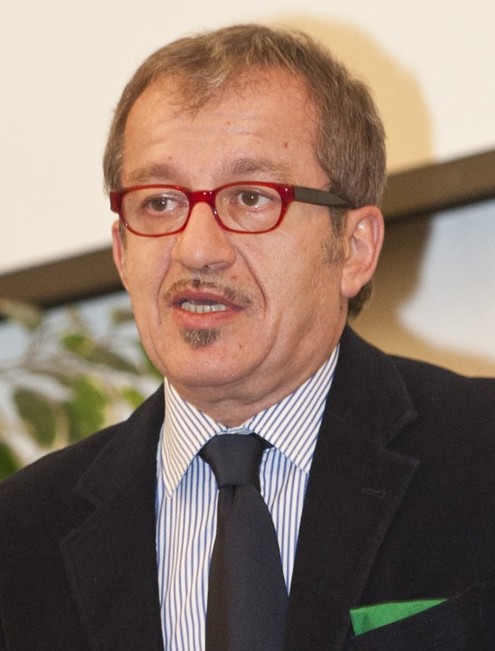
Roberto Maroni, a name well-known in Italian political circles, was a prominent figure whose life and career spanned several decades. Born on March 15, 1955, in Varese, Italy, Maroni’s journey from a local politician to a national leader reflects the dynamic shifts within Italian politics, particularly through the evolution of the Lega Nord (Northern League) party. This comprehensive exploration delves into Maroni’s age, fame, and significant life highlights, offering insights into his impact and legacy.
Early Life and Education
Roberto Maroni was born in Varese, a city in the Lombardy region of northern Italy. His early life was marked by a strong educational background, culminating in a degree in Law from the University of Milan. His academic achievements laid the groundwork for his future in politics, providing him with the skills and knowledge needed to navigate the complexities of Italian governance.
Political Beginnings
Maroni’s political career began in the early 1980s, influenced by the charismatic leadership of Umberto Bossi, the founder of the Lega Lombarda. Maroni’s initial roles included serving as the provincial secretary of the Lega Nord in Varese from 1990 to 1993. His early political involvement was characterized by a focus on regional issues and local governance, reflecting the Lega Nord’s emphasis on regional autonomy and federalism.
Rise to National Prominence
Maroni’s breakthrough in national politics came in 1992 when he was elected as a member of the Italian Chamber of Deputies. His election marked the beginning of a significant political career. He quickly gained prominence within the Lega Nord, being appointed as the party’s deputy leader and later as the president of the deputies of the Lega Nord.
In 1994, Maroni was appointed as the Vice President of the Council and Minister of the Interior in Silvio Berlusconi’s first government. This role was pivotal in shaping his political career, giving him a platform to address national issues such as law enforcement and internal security.
Ministerial Roles and Achievements
During the 2000s, Maroni held several key ministerial positions. In Berlusconi’s third government, he served as the Minister of Labor and Social Policies (Welfare), where he was recognized for his balanced approach despite facing criticism from opposition parties. His tenure in this role was marked by efforts to reform labor laws and improve social security systems.
In 2008, Maroni returned to the Ministry of the Interior in Berlusconi’s fourth government. His tenure was notable for his effective strategies in combating organized crime, which earned him recognition for his contributions to public safety and security.
Leadership of Lega Nord
The early 2010s saw Maroni’s increasing divergence from Umberto Bossi’s leadership within the Lega Nord. The internal conflicts culminated in Maroni becoming the party’s new secretary on July 1, 2012, following Bossi’s resignation due to the “Belsito scandal.” Maroni’s leadership marked a shift in the party’s focus, with the party symbol changing from “Bossi” to “Padania” to reflect this new direction.
Under Maroni’s leadership, the Lega Nord continued to evolve, adapting to the changing political landscape in Italy. His tenure as the party leader was marked by efforts to consolidate the party’s position in Italian politics and address emerging challenges.
Presidency of the Lombardy Region
In October 2012, Maroni was officially announced as the Lega Nord’s candidate for the presidency of the Lombardy region in the 2013 elections. He won a decisive victory, succeeding Roberto Formigoni. As President of Lombardy, Maroni’s administration focused on regional development and governance, reflecting his long-standing commitment to regional autonomy.
His presidency lasted until 2018 when he was succeeded by another Lega Nord member, Attilio Fontana. Maroni’s tenure as president was marked by efforts to strengthen the region’s economic and social infrastructure, further solidifying his influence in regional politics.
Later Years and Legacy
After leaving his role as President of Lombardy, Maroni transitioned into various roles outside of direct politics. He contributed to media outlets such as Il Foglio and Huffington Post, providing political analysis and commentary. Maroni also pursued personal interests, including music and sailing. He played the Hammond organ in a musical group called “Distretto 51” and undertook an Atlantic crossing in 2018.
In 2020, Maroni joined the board of directors for Italy’s leading private hospital group, the Gruppo San Donato. However, his health declined, and he announced his candidacy for the mayoral election in Varese in 2021. Unfortunately, he had to withdraw due to a severe brain tumor, which eventually led to his death on November 22, 2022, at the age of 67.
Conclusion
Roberto Maroni’s life and career were marked by significant achievements and contributions to Italian politics. From his early days as a regional politician to his roles in national government and party leadership, Maroni’s impact on Italian political life was profound. His legacy is reflected in his efforts to address regional issues, combat crime, and lead the Lega Nord through a period of transformation. Maroni’s story is a testament to the complexities and challenges of Italian politics and the enduring influence of dedicated public service.


