
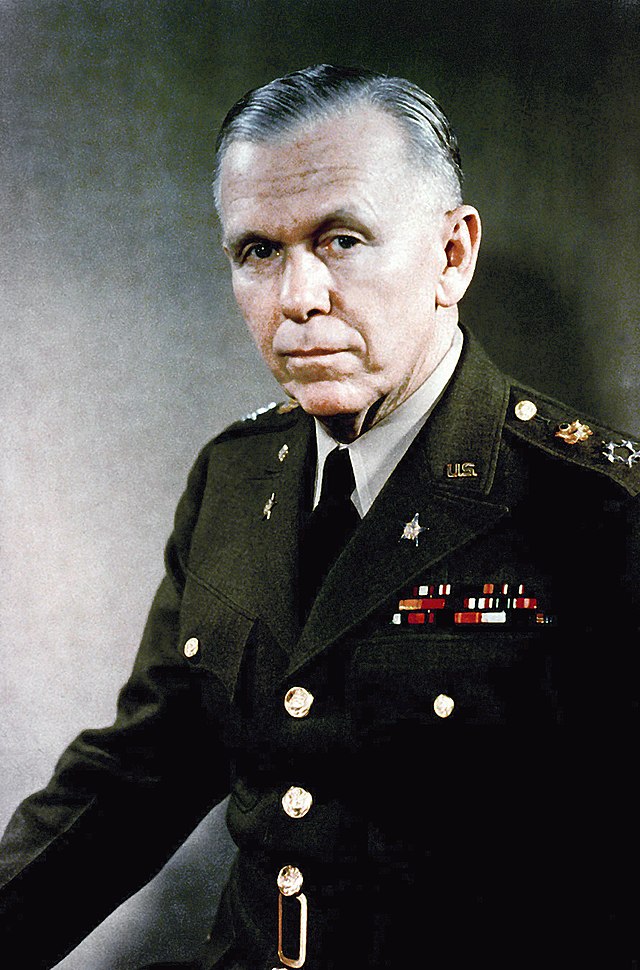
George Catlett Marshall is a name synonymous with military strategy, diplomatic leadership, and a commitment to global peace. Born on December 31, 1880, in Uniontown, Pennsylvania, Marshall’s life journey took him from a modest upbringing to becoming one of the most influential figures in the 20th century. Known primarily for his role as the Chief of Staff of the United States Army during World War II and for the Marshall Plan that helped rebuild Europe after the war, Marshall’s legacy is vast and impactful. This article explores the age, fame, and life highlights of George Marshall, providing detailed insights into his contributions to the world, the historical context of his achievements, and the lasting influence of his work.
Early Life and Education: The Foundation of a Leader
George Catlett Marshall Jr. was born into a family that valued hard work and perseverance. His father, George Marshall Sr., owned a successful business that produced coke for steel mills, while his mother, Laura Bradford Marshall, nurtured a close-knit family environment. Despite these stable beginnings, Marshall’s academic journey was anything but straightforward. His early education was marked by struggles, particularly with academics, which raised concerns about his future prospects.
However, Marshall’s determination and interest in the military were ignited during his youth, especially after witnessing the return of Uniontown’s volunteers from the Spanish-American War. This event solidified his resolve to pursue a military career, despite his academic challenges. His aspirations led him to the Virginia Military Institute (VMI) after being unable to secure a spot at West Point due to his low academic performance. At VMI, Marshall’s academic record was still unimpressive, yet he began to demonstrate a remarkable commitment to discipline and leadership, traits that would define his future career.
Military Career: From Humble Beginnings to Prominence
After graduating from VMI in 1901, George Marshall faced the daunting task of carving out a career in the military. Initially, his prospects seemed limited due to his mediocre academic record. However, Marshall’s determination and tactical acumen soon began to shine. His persistence paid off when, in December 1902, he was commissioned as a second lieutenant in the U.S. Army. This achievement also allowed him to marry his long-time love, Elizabeth “Lily” Carter Coles, marking the beginning of a new chapter in his life.
Marshall’s early military career was characterized by a steady climb through the ranks. His first significant posting was at the Infantry and Cavalry School at Fort Leavenworth, where he excelled, finishing as the top cadet. This success brought him to the attention of senior officers, and Marshall quickly developed a reputation for his organizational skills and tactical ingenuity.
World War I: The Making of a Military Strategist
The outbreak of World War I in 1914 set the stage for George Marshall’s rise to prominence. Although the United States did not enter the war until 1917, Marshall’s skills were already well-recognized within military circles. He was among the first American officers to arrive in France, tasked with organizing the chaotic and unprepared American Expeditionary Forces (AEF).
During the war, Marshall’s leadership and logistical expertise were crucial in turning the tide for the Allies. He played a key role in planning and executing the Meuse-Argonne Offensive, one of the largest operations of the war. His ability to manage complex military operations under pressure earned him the respect of his peers and superiors, including General John J. Pershing, the commander of the AEF. Despite a bold confrontation with Pershing over the treatment of his division, Marshall’s actions earned him a place on Pershing’s staff, where he continued to excel in planning and operations.
Interwar Period: Personal Tragedy and Professional Growth
After the war, George Marshall faced a period of both personal and professional challenges. In 1927, his wife Lily passed away following a minor surgery, a loss that devastated him. Marshall’s deep grief was evident as he spent weeks in mourning, but his sense of duty eventually led him back to military service.
Professionally, Marshall continued to distinguish himself. He was assigned to the Infantry School at Fort Benning, where he implemented significant reforms that revolutionized military training, known as the “Benning Revolution.” These reforms emphasized realism and modern tactics, preparing a new generation of officers for future conflicts.
During this time, Marshall also found personal happiness again when he married Katherine Boyce Tupper Brown in 1930. Their relationship brought stability to his life, and Katherine would remain a devoted partner throughout his career.
World War II: Architect of Victory
George Marshall’s most significant contributions came during World War II, where he served as Chief of Staff of the U.S. Army. Appointed to the position by President Franklin D. Roosevelt on September 1, 1939—the day Germany invaded Poland—Marshall was immediately thrust into the center of global conflict.
Marshall’s role in the war was multifaceted. He was responsible for building and organizing the largest military force in U.S. history, overseeing the training, equipping, and deployment of millions of soldiers. His strategic vision was instrumental in shaping Allied operations, including the successful D-Day invasion of Normandy (Operation Overlord), which was a turning point in the war.
One of Marshall’s key strategies was to modernize the Army by promoting talented officers like Dwight D. Eisenhower, Omar Bradley, and George Patton, while also retiring older, less effective commanders. This approach ensured that the U.S. military was led by capable and innovative leaders, contributing significantly to the Allied victory.
Marshall’s relationship with Roosevelt was professional and respectful, though he famously resisted the President’s attempts at humor and informal behavior. Despite this, Roosevelt recognized Marshall’s indispensable role in the war effort and kept him in Washington to oversee the broader strategic direction of the war.
Post-War Contributions: The Marshall Plan and Nobel Peace Prize
With the end of World War II, George Marshall continued to serve his country in critical roles. He was appointed Secretary of State by President Harry Truman in 1947, during a time when Europe was in ruins and the threat of Soviet expansion loomed large. In this capacity, Marshall proposed the European Recovery Program, better known as the Marshall Plan, during a speech at Harvard University. This plan aimed to rebuild war-torn Europe through American financial aid, thereby stabilizing the region and curbing the spread of communism.
The Marshall Plan was a resounding success, revitalizing European economies and establishing the United States as a leader in the post-war global order. In recognition of his efforts to promote peace and stability, Marshall was awarded the Nobel Peace Prize in 1953, making him the first professional soldier to receive the honor.
Later Life and Legacy: A Life of Service
Even in his later years, George Marshall’s dedication to public service did not wane. In 1950, he was called out of retirement by President Truman to serve as Secretary of Defense during the Korean War. Once again, Marshall’s leadership was crucial in reorganizing and strengthening the U.S. military response.
However, Marshall’s later years were not without controversy. His handling of the Chinese Civil War, where he attempted to mediate between the Nationalists and Communists, was heavily criticized, especially after the Communist victory in China. Senator Joseph McCarthy’s infamous witch hunts even targeted Marshall, accusing him of being soft on communism—a charge that deeply hurt him, though he maintained his dignity and composure throughout the ordeal.
Marshall retired from public life after his term as Secretary of Defense, spending his final years in Leesburg, Virginia, with his wife Katherine. Despite his declining health, he remained a respected and revered figure until his death on October 16, 1959.
Conclusion: George Marshall’s Enduring Influence
George Marshall’s life and legacy are a testament to the power of dedication, leadership, and strategic vision. From his early struggles in academics to his rise as one of the most important military leaders in American history, Marshall’s journey is one of perseverance and commitment to service. His contributions during World War II and the Marshall Plan not only shaped the course of history but also laid the foundation for the modern world.
Marshall’s legacy continues to inspire leaders and policymakers around the globe. His ability to balance military necessity with humanitarian concern, his focus on preparation and efficiency, and his unwavering dedication to his country serve as enduring examples of effective leadership. In recognizing the complexity of global challenges and the importance of strategic thinking, Marshall’s life offers valuable lessons for the future.
As we reflect on the life of George Marshall, we are reminded of the profound impact one individual can have on the course of history. His legacy is not just one of military success, but of a deep and abiding commitment to peace, stability, and the betterment of humanity.


