
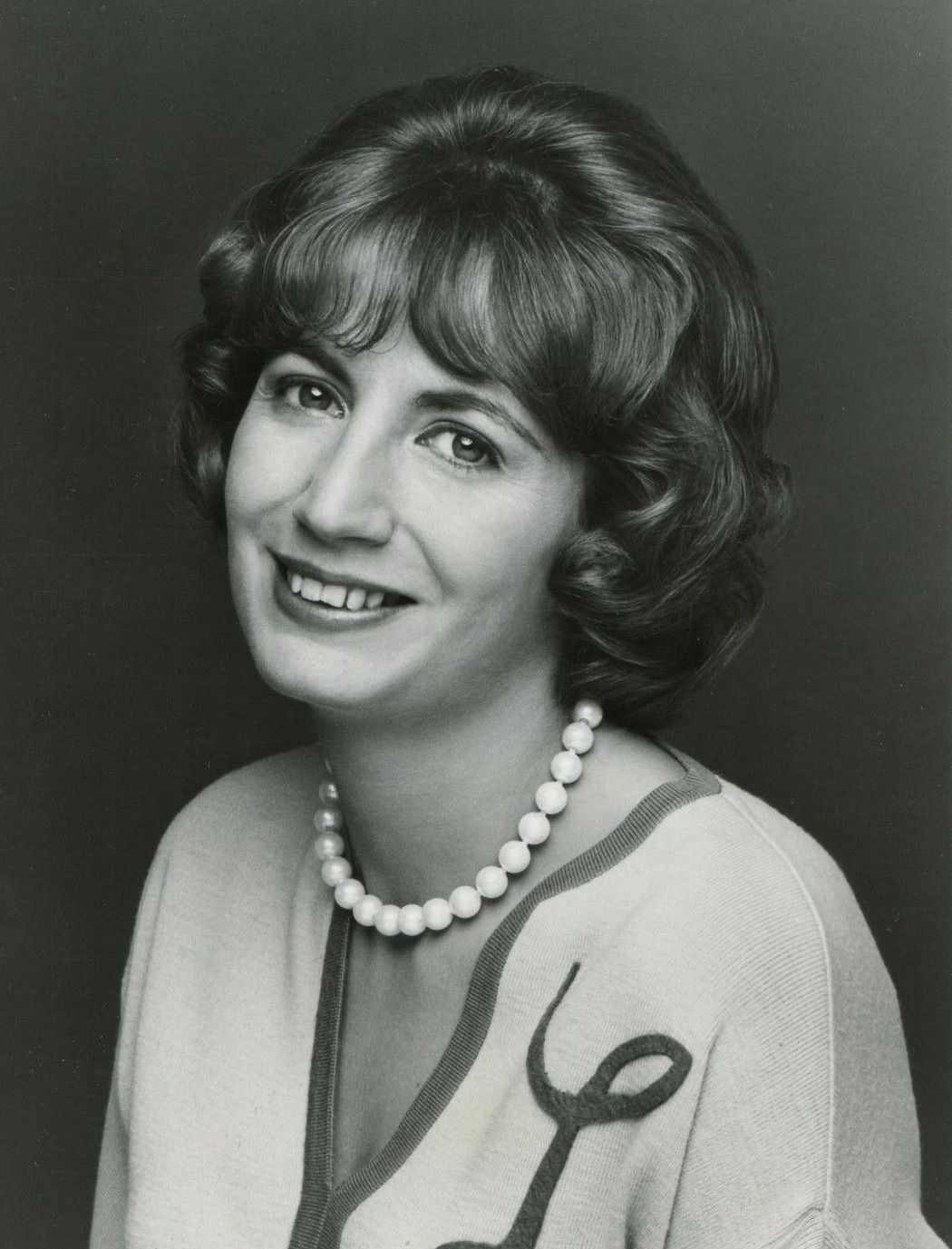
Penny Marshall, born Carole Penelope Marshall on October 15, 1943, in the Bronx, New York, was a celebrated American actress, director, and producer. Known for her sharp wit and unique creative vision, Marshall broke barriers in Hollywood, particularly as a female director in an industry dominated by men. Her life and career are a testament to her resilience, talent, and pioneering spirit. This article delves into her journey from a young girl in the Bronx to becoming one of Hollywood’s most successful directors, highlighting her age, fame, and significant life milestones.
Early Life and Family Background
Penny Marshall was born into a family that was deeply rooted in the entertainment industry. Her father, Anthony “Tony” Marshall (originally Masciarelli), was of Italian descent and worked in film production. Her mother, Marjorie Ward, was a dance teacher of English and Scottish ancestry. Penny was the youngest of three children, and her older brother, Garry Marshall, would later become a prominent figure in television and film, further influencing Penny’s future career path.
Growing up in the Bronx during the 1950s, Penny was exposed to the arts from a young age. Her mother’s passion for dance led Penny to develop an early interest in tap dancing, a skill she honed under her mother’s guidance. The Marshall family lived in a culturally vibrant neighborhood, surrounded by other notable figures from the world of entertainment, including playwright Neil Simon and fashion designer Calvin Klein. This environment undoubtedly shaped Penny’s artistic sensibilities and her drive to pursue a career in the entertainment industry.
The Road to Stardom: Laverne & Shirley
Penny Marshall’s entry into the world of acting was not immediate. After graduating from Walton High School, she attended the University of New Mexico, where she studied psychology and math. However, her academic career was cut short when she became pregnant with her daughter, Tracy, whom she had with her first husband, Michael Henry. The marriage ended in divorce after two years, and Penny, now a single mother, decided to move to Los Angeles to join her brother Garry, who was already making a name for himself in the television industry.
In Los Angeles, Penny began taking on small roles in television and film, often cast in minor parts or in commercials. Her big break came in 1976 when she was cast as Laverne DeFazio in the hit sitcom “Laverne & Shirley,” a spin-off of the popular show “Happy Days.” The show, which ran from 1976 to 1983, was an enormous success, making Penny a household name. Laverne, with her distinctive nasal voice, tough-girl persona, and signature monogrammed sweaters, became an iconic character in American television.
Penny’s portrayal of Laverne was a defining moment in her career. The show not only brought her fame but also allowed her to showcase her comedic talents and her ability to connect with audiences. “Laverne & Shirley” was one of the highest-rated shows of its time, and Penny’s performance earned her three Golden Globe nominations.
Transition to Directing: Breaking Barriers
Despite her success as an actress, Penny Marshall had always been interested in what happened behind the camera. Encouraged by her brother Garry, who was a successful director and producer, Penny made the transition to directing in the early 1980s. Her directorial debut came in 1986 with the film “Jumpin’ Jack Flash,” starring Whoopi Goldberg. Although the film received mixed reviews, it marked the beginning of Penny’s new career trajectory.
In 1988, Penny directed “Big,” a comedy-drama starring Tom Hanks that would cement her status as a successful director. The film tells the story of a 12-year-old boy who magically turns into a 30-year-old man overnight. “Big” was a commercial and critical success, grossing over $150 million worldwide and earning Hanks his first Academy Award nomination. More importantly, it made Penny the first female director to have a film gross over $100 million, a milestone that broke new ground for women in Hollywood.
Following the success of “Big,” Penny directed a series of other hit films, including “Awakenings” (1990), starring Robert De Niro and Robin Williams, and “A League of Their Own” (1992), a sports comedy-drama about the first female professional baseball league, starring Geena Davis, Tom Hanks, and Madonna. “A League of Their Own” was another significant success, further establishing Penny as a leading director in Hollywood. The film is remembered not only for its box office success but also for its cultural impact, particularly its portrayal of strong, independent women in a male-dominated sport.
Later Career and Legacy
As the 1990s progressed, Penny Marshall continued to work in film, though her projects varied in their levels of success. She directed “Renaissance Man” (1994), a comedy-drama starring Danny DeVito, and “The Preacher’s Wife” (1996), a holiday film featuring Denzel Washington and Whitney Houston. In 2001, she directed “Riding in Cars with Boys,” starring Drew Barrymore, which received moderate reviews but was praised for its performances and emotional depth.
Despite some of these later films not reaching the heights of her earlier successes, Penny’s influence on Hollywood remained undeniable. She became known for her ability to blend humor with heart, creating films that were both entertaining and meaningful. Her work paved the way for other female directors in an industry that often marginalized women behind the camera.
In addition to her film work, Penny also made several guest appearances on television shows, often playing herself. Her final years were marked by health challenges, including a battle with cancer, which she bravely fought while continuing to work. Penny Marshall passed away on December 17, 2018, at the age of 75, from complications related to diabetes.
Penny Marshall’s Impact on Hollywood
Penny Marshall’s legacy in Hollywood is significant. She was a trailblazer who shattered the glass ceiling for female directors, demonstrating that women could direct commercially successful and critically acclaimed films. Her work has inspired countless women to pursue careers in directing and producing, fields that were once overwhelmingly male-dominated.
Penny’s films are often characterized by their warmth, humor, and humanity. She had a unique ability to tell stories that resonated with audiences on a deep emotional level, whether through the innocence and wonder of “Big,” the poignant exploration of mental illness in “Awakenings,” or the celebration of women’s strength and resilience in “A League of Their Own.”
Her impact extends beyond the box office. “A League of Their Own” in particular has become a cultural touchstone, often cited as one of the best sports films ever made. The film’s famous line, “There’s no crying in baseball,” delivered by Tom Hanks, has entered the lexicon of American pop culture, a testament to the lasting influence of Penny’s work.
Moreover, Penny’s career serves as an example of the importance of perseverance in the face of adversity. From her early struggles as a single mother to her eventual rise as one of Hollywood’s most respected directors, Penny’s journey was one of resilience, creativity, and determination.
Penny Marshall’s Personal Life
While Penny Marshall’s professional achievements are well-documented, her personal life was equally rich and complex. She was married twice, first to Michael Henry, with whom she had her daughter Tracy, and later to actor and director Rob Reiner. Both marriages ended in divorce, but Penny remained close to her family, particularly her brother Garry, who was a constant source of support throughout her life.
Penny was also known for her love of sports, particularly basketball. She was a devoted fan of the Los Angeles Lakers and could often be seen courtside at their games. This passion for sports is reflected in her films, particularly “A League of Their Own,” which celebrated women’s contributions to the world of sports.
In her later years, Penny became a collector of sports memorabilia, amassing a significant collection that included items from some of the greatest moments in sports history. This hobby was a reflection of her lifelong love of competition and excellence, values that she brought to her work as a director.
Conclusion
Penny Marshall’s life and career were marked by groundbreaking achievements, from her iconic role in “Laverne & Shirley” to her record-breaking success as a director. She was a pioneer who broke down barriers for women in Hollywood, leaving behind a legacy that continues to inspire filmmakers today. Her films, filled with humor, heart, and humanity, remain beloved by audiences around the world.
Penny’s story is one of talent, perseverance, and a relentless pursuit of excellence. She will be remembered not only for her contributions to film and television but also for the doors she opened for future generations of women in the entertainment industry. Penny Marshall was, and remains, a true Hollywood legend.


