
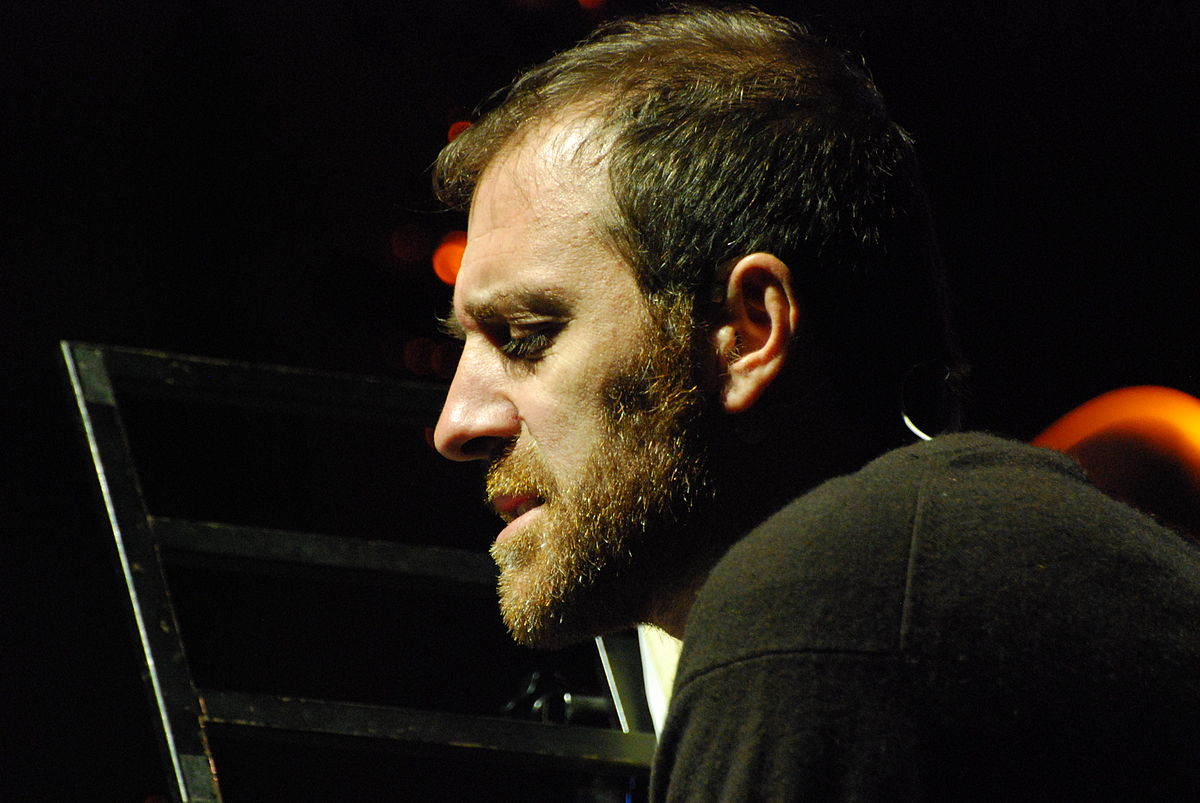
Valerio Mastandrea is a name that resonates deeply within the Italian film industry. Born on February 14, 1972, in Rome, Italy, Mastandrea has become one of the most respected and versatile actors of his generation. With a career spanning over three decades, he has made significant contributions to both the cinematic and theatrical landscapes in Italy. This article delves into the life, career, and achievements of Valerio Mastandrea, exploring how he rose to fame, his most notable roles, and the impact he has had on the entertainment industry.
Early Life and Passion for Acting
Valerio Mastandrea was born and raised in Rome, the heart of Italy’s film industry. Growing up in the vibrant cultural milieu of the capital city, Mastandrea developed a passion for storytelling and the performing arts at a young age. His love for acting led him to the stage, where he made his theatrical debut in 1993.
Mastandrea’s early experiences in theater were formative, allowing him to hone his craft and develop a deep understanding of the nuances of performance. His work in theater eventually paved the way for his entry into the world of cinema, a transition that would define the rest of his career.
Breakthrough in Cinema
Valerio Mastandrea’s film career began somewhat unexpectedly in 1994 when he was cast in the movie Ladri di cinema (Thieves of Cinema), directed by Piero Natoli. Although this was his first major role, it was clear that Mastandrea had a natural talent for the screen. His performance in the film garnered attention, setting the stage for what would become a highly successful career in Italian cinema.
The turning point in Mastandrea’s career came in 1996 when he starred in Tutti giù per terra (All Down to Earth), directed by Davide Ferrario. His portrayal of the film’s protagonist earned him critical acclaim, including the prestigious Grolla d’Oro for Best Actor and the Pardo Award at the Locarno Film Festival. These accolades not only solidified his status as a rising star in Italian cinema but also demonstrated his ability to tackle complex and challenging roles.
Rise to Fame: The Late 1990s and Early 2000s
Throughout the late 1990s, Valerio Mastandrea continued to build on his success, taking on a variety of roles that showcased his versatility as an actor. One of his most notable performances during this period was in the musical comedy Rugantino, a classic Italian play by Garinei and Giovannini. Mastandrea’s portrayal of the titular character received widespread praise, and the production consistently played to sold-out audiences, further enhancing his reputation in the industry.
Mastandrea also made his mark on television, particularly through his appearances on the Maurizio Costanzo Show, a popular talk show in Italy. His frequent participation in the show helped him connect with a broader audience, making him a familiar face in Italian households.
In 2005, Mastandrea ventured into directing with his short film Trevirgolaottantasette (Three Point Eighty-Seven). The film, which he co-wrote with Daniele Vicari, addressed the issue of workplace deaths in Italy, known as “morti bianche” (white deaths). The title of the short film refers to the average number of people who die each day in Italy due to workplace accidents. This project highlighted Mastandrea’s commitment to using his platform to shed light on important social issues, a theme that would continue throughout his career.
Continued Success and Acclaimed Performances
Valerio Mastandrea’s career continued to flourish in the 2000s, as he took on a series of roles that further cemented his status as one of Italy’s leading actors. In 2007, he starred in Non pensarci (Don’t Think About It), a film by Gianni Zanasi in which he played the role of Stefano Nardini, a musician grappling with personal and professional challenges. Mastandrea’s performance was widely praised, and the film’s success led to a television series adaptation, with Mastandrea reprising his role.
The following years saw Mastandrea take on a diverse range of characters in films such as Giulia non esce la sera (Giulia Doesn’t Go Out at Night) in 2009, directed by Giuseppe Piccioni and starring alongside Valeria Golino. He also appeared in La prima cosa bella (The First Beautiful Thing) directed by Paolo Virzì, and Good Morning Aman by Claudio Noce, where he also served as a producer.
Mastandrea’s ability to seamlessly transition between different genres and roles made him a sought-after actor in the Italian film industry. His performances were consistently lauded for their depth and authenticity, earning him a loyal following among both critics and audiences.
Mastery of the Craft: Awards and Recognition
Valerio Mastandrea’s talent and dedication to his craft did not go unnoticed. In 2013, he achieved a rare feat by winning two David di Donatello awards, Italy’s equivalent of the Oscars. He received the award for Best Actor for his role in Gli equilibristi (The Tightrope Walkers), a film that explored the struggles of a man trying to keep his family together amidst financial difficulties. Additionally, he won the Best Supporting Actor award for his performance in Viva la libertà (Long Live Freedom), a political satire directed by Roberto Andò. These accolades underscored Mastandrea’s versatility and his ability to bring complex characters to life on screen.
Mastandrea continued to collaborate with some of Italy’s most prominent directors, including Abel Ferrara in Pasolini (2014), a biographical drama about the life of the controversial Italian director Pier Paolo Pasolini. He also appeared in Ogni maledetto Natale (Every Damn Christmas) and Gianni Zanasi’s La felicità è un sistema complesso (Happiness Is a Complex System), showcasing his continued relevance and adaptability in the industry.
In 2016, Mastandrea delivered a standout performance in Perfetti sconosciuti (Perfect Strangers), directed by Paolo Genovese. The film, which explores the secrets and lies revealed during a seemingly innocent dinner party, was a critical and commercial success. Perfetti sconosciuti received numerous awards and was adapted into several international versions, further cementing Mastandrea’s status as one of Italy’s most talented actors.
The same year, he appeared in Fiore, a film by Claudio Giovannesi, and Fai bei sogni (Sweet Dreams), directed by Marco Bellocchio and based on the autobiographical novel by Massimo Gramellini. Mastandrea’s performances in these films were highly praised, adding to his already impressive body of work.
Recent Projects and Ongoing Legacy
Valerio Mastandrea’s career has continued to thrive in recent years. In 2017, he starred in The Place, another film by Paolo Genovese that delves into the moral dilemmas faced by a group of strangers who meet at a mysterious café. He also took on the role of Ginko, the iconic inspector, in the 2021 film adaptation of Diabolik by the Manetti Bros. This role allowed Mastandrea to explore a different genre, showcasing his range as an actor.
In addition to his work in film, Mastandrea has maintained a strong presence in theater, regularly returning to the stage to engage with live audiences. His commitment to the craft of acting and his willingness to take on challenging roles have ensured that he remains a significant figure in Italian cinema and theater.
Personal Life and Influence
Valerio Mastandrea has always been a private individual, carefully guarding the details of his personal life. He was previously married to Valentina Avenia, a television writer and actress, with whom he has a son named Giordano, born on March 3, 2010. Since 2016, Mastandrea has been in a relationship with actress Chiara Martegiani, who is 15 years younger than him.
Mastandrea’s influence extends beyond his work on screen and stage. As an actor, director, and producer, he has played a pivotal role in shaping contemporary Italian cinema. His collaborations with other creatives, such as his work with Zerocalcare on the screenplay for La profezia dell’armadillo (The Armadillo’s Prophecy), demonstrate his commitment to fostering new talent and bringing diverse stories to the screen.
Conclusion
Valerio Mastandrea’s journey from the streets of Rome to the heights of Italian cinema is a testament to his talent, perseverance, and passion for the arts. Over the course of his career, he has consistently pushed the boundaries of his craft, taking on roles that challenge societal norms and explore the complexities of the human experience. His work has earned him numerous awards and accolades, solidifying his place as one of Italy’s most respected actors.
As he continues to evolve as an artist, Mastandrea remains a powerful force in the entertainment industry, inspiring both audiences and fellow actors with his performances. Whether on stage, in front of the camera, or behind it, Valerio Mastandrea’s contributions to the world of cinema and theater will undoubtedly leave a lasting legacy.


