
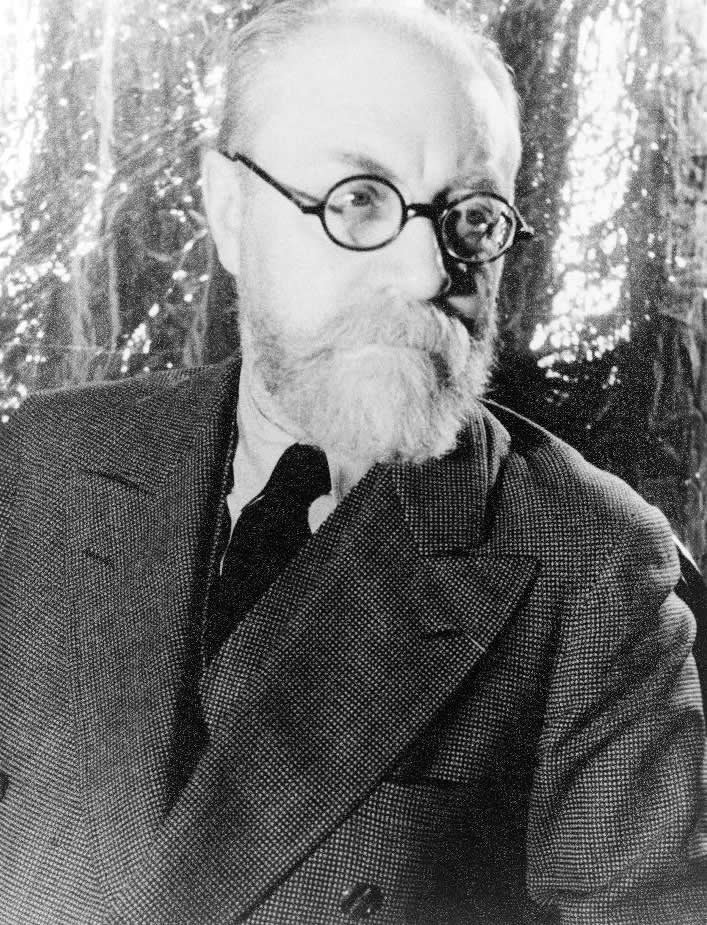
Henri Matisse, born on December 31, 1869, in Le Cateau-Cambrésis, France, was one of the most influential artists of the 20th century. He lived through some of the most tumultuous periods in modern history, yet his work remained a vibrant refuge from the anxieties of his time. Matisse’s paintings, filled with color, light, and serenity, offer a world where the chaos of the outside world is noticeably absent. In this article, we will explore the life, fame, and significant contributions of Henri Matisse, providing detailed insights into his artistic journey and legacy.
Early Life and Education
Henri Matisse was born into a relatively affluent family, which allowed him to pursue his artistic interests. His early education was not particularly focused on art, but a bout of appendicitis at the age of 20 left him bedridden for a long period, during which his mother bought him his first set of paints. This marked the beginning of his journey into the world of art. Matisse initially studied law but abandoned this career path to enroll in the Académie Julian in Paris in 1891.
From 1895 to 1899, Matisse studied under Gustave Moreau, a symbolist painter who encouraged his students to embrace their individuality. This period was crucial in shaping Matisse’s approach to art, as he was introduced to the works of Édouard Manet and Paul Cézanne. The influence of these artists, combined with his exposure to Impressionism, led Matisse to experiment with color and form in ways that were revolutionary at the time.
Rise to Fame: The Fauvism Movement
The early 1900s were a defining period for Matisse. His travels to places like England, Corsica, and Toulouse enriched his palette and perspective. In 1902, he showcased some of his works at the B. Weil gallery in Paris, including the notable “View of Notre Dame in the Late Afternoon.”
It was during this period that Matisse became associated with Fauvism, a movement that emphasized bold, vibrant colors and expressive brushwork. The term “Fauvism” comes from the French word “fauves,” meaning “wild beasts,” a name coined by critics who were shocked by the raw energy of the works displayed at the 1905 Salon d’Automne. Matisse, along with artists like André Derain and Maurice de Vlaminck, became one of the leading figures of this movement. His work during this time, characterized by its use of non-naturalistic colors and simplified forms, marked a radical departure from traditional European painting.
Notable Works and Artistic Contributions
Matisse’s body of work is vast, and his influence on modern art cannot be overstated. Some of his most famous works include “The Dance” (1909-1910), “The Red Studio” (1911), and the “Blue Nude” series. “The Dance,” in particular, is celebrated for its rhythmic composition and use of color, capturing a sense of movement and vitality that became a hallmark of Matisse’s style.
In addition to painting, Matisse was also a skilled sculptor, printmaker, and designer. His work in other mediums, such as his cut-out technique, where he would create compositions using pieces of painted paper, further demonstrated his innovative approach to art. These cut-outs, which he referred to as “painting with scissors,” became especially prominent in his later years when he was confined to a wheelchair.
Matisse also made significant contributions to the field of decorative arts. He designed textiles, stained glass windows, and even the chapel of the Rosary in Vence, which he considered his masterpiece. The chapel, completed in 1951, is a testament to Matisse’s belief in the power of art to transcend the boundaries of traditional forms and media.
Historical Context and Artistic Legacy
Henri Matisse’s work is often discussed in the context of the early 20th century, a period marked by rapid industrialization, world wars, and significant social change. However, unlike many of his contemporaries, who often reflected the turmoil of the time in their work, Matisse chose to create a world of beauty and calm. This has led some critics to describe his work as escapist, but Matisse himself saw his art as a form of resistance—an assertion of the importance of joy and color in a world that often seemed dark and chaotic.
Matisse’s influence extends beyond the boundaries of painting. His work has inspired countless artists and movements, from Abstract Expressionism to contemporary art. His use of color, in particular, has had a lasting impact, with artists like Mark Rothko and Ellsworth Kelly citing Matisse as a key influence.
The Later Years and Death
Matisse’s later years were marked by both personal and professional challenges. The outbreak of World War II and the subsequent German occupation of France had a profound impact on his life. Despite these difficulties, Matisse continued to create, producing some of his most iconic works during this period. In 1941, he painted “Still Life with Magnolia,” a work that reflects both the simplicity and depth of his later style.
In 1943, Matisse moved to Vence, where he would live for the rest of his life. It was here that he began work on the Chapel of the Rosary, a project that consumed him for several years. Despite his declining health, Matisse remained deeply involved in every aspect of the chapel’s design, from the stained glass windows to the murals.
Henri Matisse passed away on November 3, 1954, in Nice, France. He was 84 years old. His death marked the end of an era in modern art, but his influence continues to be felt today. Matisse’s work is celebrated in museums and galleries around the world, and his legacy as one of the greatest artists of the 20th century is firmly established.
Conclusion
Henri Matisse was more than just a painter; he was a pioneer who pushed the boundaries of art in ways that continue to resonate today. His work, characterized by its vibrant colors, innovative compositions, and joyful spirit, offers a glimpse into a world where beauty and creativity reign supreme. Matisse’s life and art remind us of the power of color and form to uplift the human spirit, even in the face of adversity. His legacy is one of innovation, inspiration, and enduring relevance in the world of art.
As we reflect on Matisse’s life and contributions, it becomes clear that his work is not just a reflection of his time, but a timeless celebration of the human capacity for creativity and expression. Whether through his bold use of color, his groundbreaking approach to composition, or his ability to find beauty in simplicity, Henri Matisse remains a towering figure in the history of art, and his influence will undoubtedly continue to inspire future generations of artists.


