
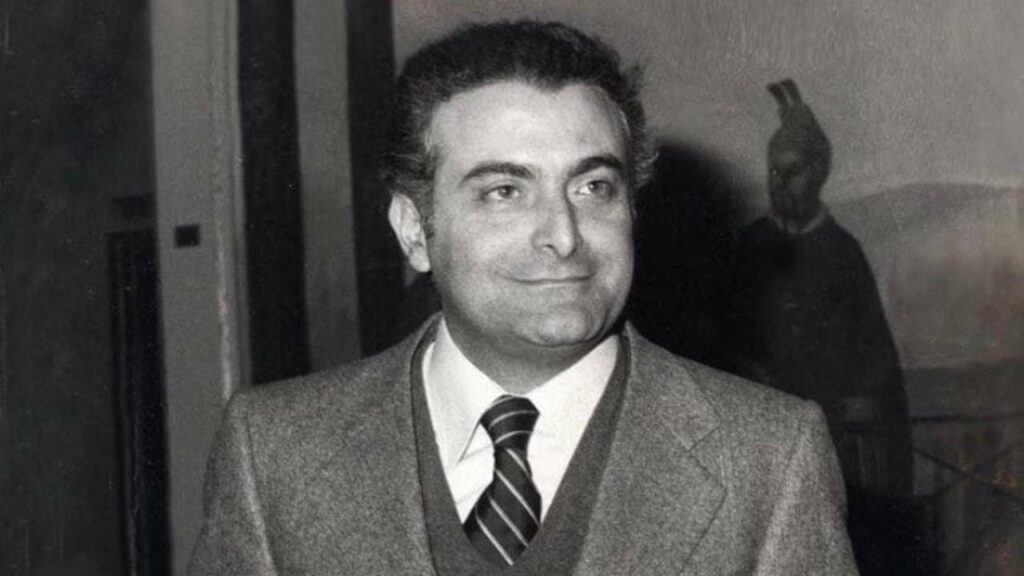
Piersanti Mattarella, a prominent Italian politician and the older brother of Sergio Mattarella, the 12th President of Italy, is remembered for his significant impact on Sicilian politics and his tragic assassination by the Mafia. His life, achievements, and the circumstances surrounding his death reflect the complex interplay of politics and organized crime in Italy during the late 20th century. This article provides an in-depth exploration of Mattarella’s life, his contributions to Italian politics, and the legacy he left behind.
Early Life and Background
Born on May 24, 1935, in Castellammare del Golfo, Sicily, Piersanti Mattarella was the eldest son of Bernardo Mattarella, a notable figure in the Christian Democracy party (Democrazia Cristiana, DC). Piersanti’s early life was shaped by a strong Catholic upbringing, as his family moved to Rome where he attended the prestigious San Leone Magno school run by the Marist Fathers. This education instilled in him values of social commitment and a deep sense of duty.
Mattarella’s academic journey took him to the University of Rome La Sapienza, where he studied law. His academic pursuits were marked by a keen interest in social issues and a commitment to public service. After graduating, he returned to his native Palermo, where he began his professional and political career.
Political Career
Piersanti Mattarella’s entry into politics was influenced by prominent figures such as Aldo Moro and Giorgio La Pira. Their emphasis on political engagement as a form of moral and social commitment resonated with Mattarella, shaping his approach to politics. He began his political career in the early 1960s as a city councilor in Palermo. His tenure in local government was characterized by efforts to address social issues and improve municipal administration.
In 1971, Mattarella was appointed as the regional assessor for the Presidency of Sicily, and in 1978, he became the President of the Sicilian Region. His leadership was marked by a focus on reforming the regional bureaucracy, implementing measures aimed at increasing transparency, and combating corruption. Mattarella’s approach to governance included rationalizing administrative processes and promoting meritocracy, which were crucial in tackling the entrenched clientelism and inefficiency in Sicilian politics.
Reforms and Legacy
Mattarella’s tenure as President of Sicily was notable for his efforts to reform the regional administration. His policies aimed to dismantle the pervasive network of clientelism and corruption that had plagued Sicilian politics for years. His commitment to transparency and reform was evident in his initiatives to streamline bureaucracy and enforce strict regulations on public administration.
One of the significant moments of Mattarella’s political career was his response to allegations of corruption within the Sicilian agricultural sector. During a regional conference on agriculture in 1979, when Pio La Torre, a fellow anti-mafia advocate, accused the regional agricultural office of corruption, Mattarella did not dismiss the allegations. Instead, he acknowledged the need for a thorough review of the agricultural funding management. This stance highlighted his dedication to ethical governance and his willingness to confront corruption head-on.
The Assassination
On January 6, 1980, Piersanti Mattarella was assassinated in Palermo. The attack occurred as he was leaving his home with his family. Initially, there was speculation that the assassination was linked to extremist political groups, as a neo-fascist group claimed responsibility. However, investigations revealed a more complex scenario involving organized crime.
Giovanni Falcone, a prominent anti-mafia prosecutor, later identified Valerio Fioravanti and Gilberto Cavallini, members of the far-right Nuclei Armati Rivoluzionari (NAR), as the primary perpetrators. Further investigation linked the crime to the Sicilian Mafia, Cosa Nostra, driven by Mattarella’s reformist policies and his conflicts with Mafia-affiliated politicians like Vito Ciancimino and Salvo Lima.
The assassination of Piersanti Mattarella was a significant blow to the anti-mafia movement and highlighted the dangerous intersection of organized crime and politics in Italy. The trial that followed his death saw several high-profile Mafia bosses, including Salvatore Riina and Bernardo Provenzano, convicted for their involvement in the murder. However, the investigation was marred by controversy and challenges, including allegations of political interference and a lengthy legal process.
Historical Context and Impact
Piersanti Mattarella’s life and assassination occurred during a tumultuous period in Italian history. The 1970s and 1980s were marked by intense political instability, widespread corruption, and violent clashes between political factions and organized crime. The Sicilian Mafia, in particular, exerted significant influence over regional politics, creating an environment where reformist leaders like Mattarella faced severe risks.
Mattarella’s commitment to reform and his confrontation with the Mafia reflected a broader struggle within Italy to address systemic corruption and criminal influence. His efforts to clean up regional administration and promote ethical governance resonated with the aspirations of many Italians who sought to restore integrity to public life.
The legacy of Piersanti Mattarella is remembered not only for his political achievements but also for his sacrifice in the fight against organized crime. His life symbolizes the broader struggle for justice and reform in Italy, and his assassination remains a poignant reminder of the challenges faced by those who stand up against corruption and criminal influence.
Conclusion
Piersanti Mattarella’s life and career were marked by a commitment to public service, ethical governance, and reform. His efforts to tackle corruption and improve regional administration in Sicily were notable achievements that continue to be remembered and celebrated. His tragic assassination by the Mafia underscores the perilous nature of political reform in a context of pervasive organized crime.
As Italy continues to grapple with issues of corruption and criminal influence, Piersanti Mattarella’s legacy serves as an enduring symbol of courage and integrity. His contributions to Sicilian politics and his ultimate sacrifice remain a significant chapter in the history of Italy’s fight against organized crime and corruption.


