
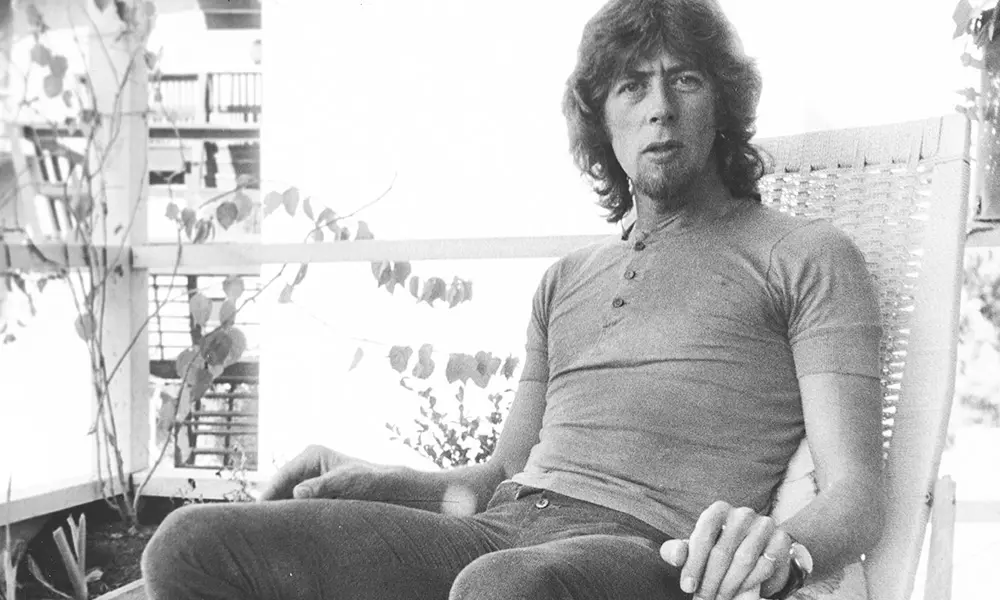
John Mayall is often referred to as the “Godfather of British Blues,” a title that aptly describes his monumental influence on the genre. Born on November 29, 1933, in Macclesfield, England, Mayall’s journey into the world of music began at a young age. His story is one of passion, resilience, and a relentless pursuit of musical excellence, which has left an indelible mark on the blues genre and the broader music industry.
Early Life and Musical Beginnings
John Mayall was born into a world that was just beginning to grapple with the aftermath of World War I, and his formative years were spent during World War II. Despite the turbulence of the times, Mayall found solace and inspiration in music, particularly the blues. His father, Murray Mayall, was an accomplished guitarist and jazz enthusiast, and it was through his father’s record collection that John was introduced to the sounds of artists like Lead Belly, Pinetop Smith, and Meade Lux Lewis. This early exposure would profoundly shape his musical inclinations.
At the age of 13, Mayall began teaching himself to play the piano, guitar, and harmonica. His talent was evident, but it was the discovery of American blues artists like Muddy Waters and John Lee Hooker that ignited his passion for the blues. This passion would eventually lead him to pursue music professionally, although the path was far from straightforward.
The Formative Years: Powerhouse Four and Blues Syndicate
Before becoming a professional musician, Mayall served in the British Army during the Korean War. After his discharge, he attended Manchester College of Art, where he honed his skills as a graphic designer. However, his love for music never waned, and he soon formed his first band, the Powerhouse Four, in 1961. This group, which later evolved into the Blues Syndicate, allowed Mayall to experiment with his musical style and gain experience as a bandleader.
In 1962, Mayall made the pivotal decision to move to London, the epicenter of the burgeoning British blues scene. It was here that he formed the band that would cement his place in music history: The Bluesbreakers.
The Bluesbreakers and the Rise to Fame
The formation of The Bluesbreakers in 1963 marked the beginning of John Mayall’s ascent to fame. The band quickly gained a reputation for its high-energy performances and innovative sound, which blended traditional blues with elements of rock and jazz. The Bluesbreakers became a breeding ground for some of the most legendary musicians in rock history.
One of the most significant moments in Mayall’s career came in 1965 when a young Eric Clapton joined The Bluesbreakers. Clapton had just left The Yardbirds and was eager to delve deeper into the blues. Together, Mayall and Clapton created the iconic album “Blues Breakers with Eric Clapton” (1966), often referred to as the “Beano” album. This record is considered one of the most influential blues albums of all time and played a crucial role in popularizing the genre among white audiences in the UK and beyond.
The album’s success was not just due to Clapton’s virtuosic guitar work but also to Mayall’s leadership and vision. He created an environment where Clapton and other band members could thrive creatively. After Clapton’s departure, Mayall continued to recruit and mentor some of the most talented musicians of the era, including Peter Green, who went on to form Fleetwood Mac, and Mick Taylor, who later joined The Rolling Stones.
The Evolution of John Mayall’s Sound
Throughout the late 1960s and 1970s, John Mayall continued to push the boundaries of blues music. He released several albums that showcased his willingness to experiment with different musical styles and lineups. Albums like “A Hard Road” (1967), featuring Peter Green, and “Crusade” (1967), featuring Mick Taylor, demonstrated Mayall’s ability to adapt and evolve his sound while staying true to the blues.
In 1969, after the breakup of one of the many incarnations of The Bluesbreakers, Mayall moved to Los Angeles. This period marked a significant shift in his music. He began to incorporate more jazz influences into his work, as heard in albums like “The Turning Point” (1969) and “Empty Rooms” (1970). These albums were characterized by their stripped-down arrangements, often featuring acoustic instruments and minimal percussion, which was a departure from the electrified sound of his earlier work.
The Legacy of the Bluesbreakers
One of Mayall’s most enduring legacies is his role as a mentor and talent scout. The list of musicians who passed through The Bluesbreakers reads like a who’s who of rock and blues royalty. In addition to Clapton, Green, and Taylor, other notable alumni include Jack Bruce, Aynsley Dunbar, and John McVie, who, along with Green, co-founded Fleetwood Mac.
Mayall’s ability to recognize and nurture talent was unparalleled, and he was instrumental in shaping the careers of many of these musicians. His influence extended beyond his own band, as The Bluesbreakers became a key part of the British blues explosion that gave rise to bands like The Rolling Stones, Led Zeppelin, and Cream.
The 1980s and Beyond: A Return to the Roots
The 1980s were a challenging time for many blues musicians, as the genre was overshadowed by the rise of new wave, punk, and other popular music trends. However, John Mayall remained committed to the blues, and in the late 1980s, he experienced a resurgence in popularity. He returned to his roots with albums like “Chicago Line” (1988) and “A Sense of Place” (1990), which were well-received by both fans and critics.
In 1993, Mayall released “Wake Up Call,” an album that featured guest appearances by blues and rock luminaries like Buddy Guy, Mick Taylor, and Albert Collins. The album’s modern production and stellar performances brought Mayall back into the spotlight, proving that he was still a force to be reckoned with in the blues world.
John Mayall’s Continued Influence and Legacy
As of the 2000s, John Mayall has continued to tour and record new music, showing no signs of slowing down despite his advancing age. His contributions to the blues are immeasurable, not only as a performer but also as a mentor and advocate for the genre. He has received numerous accolades throughout his career, including an OBE (Order of the British Empire) in 2005 for his services to music.
Mayall’s impact on the blues can also be seen in the countless musicians he has influenced. His willingness to experiment with different styles and his dedication to preserving the blues tradition have made him a beloved figure in the music world.
Conclusion: The Enduring Legacy of John Mayall
John Mayall’s life and career are a testament to the power of music to transcend boundaries and bring people together. From his early days in Macclesfield to his status as a global blues icon, Mayall has remained true to his passion for the blues. His work with The Bluesbreakers helped shape the sound of modern blues and rock, and his influence can still be felt today.
In a career spanning over six decades, John Mayall has not only made significant contributions to music but has also played a crucial role in the development of some of the most important musicians in rock history. His legacy is one of innovation, mentorship, and a deep love for the blues. As he continues to perform and record, John Mayall remains a vital and relevant figure in the world of music, proving that the blues is indeed timeless.


