
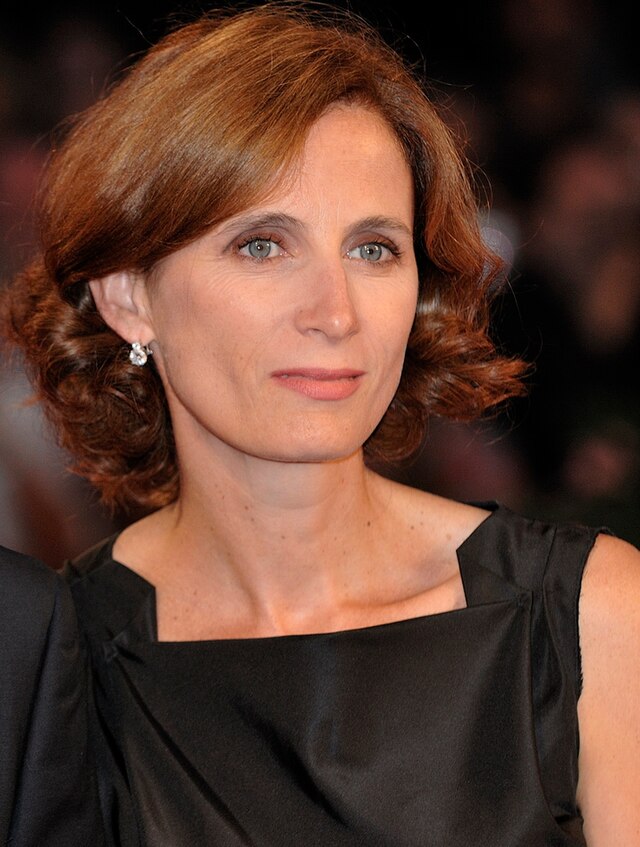
Introduction
Margaret Mazzantini is a renowned Italian author, actress, and playwright whose works have captivated readers and audiences alike with their deep emotional resonance and vivid storytelling. Born into a family steeped in the arts, Mazzantini has made a name for herself in both literature and cinema. This article delves into the life, career, and literary achievements of Margaret Mazzantini, offering a comprehensive exploration of her journey from a promising actress to a celebrated author whose novels have left an indelible mark on contemporary Italian literature.
Early Life and Family Background
Margaret Mazzantini was born on October 27, 1961, in Dublin, Ireland, to a family that was artistically inclined. Her father, Carlo Mazzantini, was an Italian writer, while her mother, Anne Donnelly, was an Irish painter. The fusion of Italian and Irish cultural influences, coupled with her exposure to the arts from an early age, played a significant role in shaping Mazzantini’s creative outlook.
Growing up in Rome, where her family eventually settled, Mazzantini was immersed in a vibrant cultural environment. The city’s rich history and artistic heritage provided a fertile ground for her burgeoning talents. Encouraged by her parents, she pursued an education in the arts, enrolling in the prestigious Accademia Nazionale d’Arte Drammatica Silvio D’Amico in Rome, where she graduated in 1982. This formal training laid the foundation for her initial foray into acting, a career that would later serve as a springboard for her literary endeavors.
Acting Career: A Foundation for Storytelling
Mazzantini’s acting career began shortly after her graduation, with her stage debut in Goethe’s Iphigenia in Tauris in 1982. Her early work on the stage included performances in classic plays such as Anton Chekhov’s Three Sisters (1984-85) and Sophocles’ Antigone (1986). These roles allowed Mazzantini to hone her skills in character development and emotional expression—skills that would later prove invaluable in her writing.
Mazzantini’s talent as an actress extended beyond the theater. She appeared in several films, including Festival (1996) by Pupi Avati and Libero Burro (1999), directed by her husband, Sergio Castellitto. Her versatility as an actress was evident in her ability to switch between serious dramatic roles and lighter, more comedic performances. This versatility not only solidified her reputation as a capable actress but also enriched her understanding of narrative and character dynamics, elements that would become central to her literary work.
Transition to Writing: The Birth of a Novelist
While Mazzantini enjoyed a successful acting career, it was her passion for writing that ultimately defined her creative identity. Her transition from acting to writing was not abrupt but rather a gradual evolution driven by her desire to explore the complexities of human emotions and relationships through the written word.
Mazzantini’s debut novel, Il catino di zinco (1994), marked her entry into the literary world. The novel, which translates to The Zinc Basin, received critical acclaim and won several prestigious awards, including the Selezione Campiello Prize and the Rapallo-Carige Prize for First Work. Il catino di zinco set the tone for Mazzantini’s future works, characterized by their introspective narratives and exploration of themes such as love, loss, and identity.
The success of her first novel encouraged Mazzantini to continue writing, and she soon established herself as a formidable literary voice in Italy. Her second novel, Manola (1998), further cemented her reputation, showcasing her ability to weave intricate stories that resonate with readers on a profound emotional level.
Literary Breakthrough: Non ti muovere (Don’t Move)
Margaret Mazzantini’s true literary breakthrough came with the publication of her third novel, Non ti muovere (2001), translated as Don’t Move. The novel tells the harrowing story of a surgeon, Timoteo, who reflects on his life and a tragic love affair as his daughter lies in a coma following a motorcycle accident. The novel’s raw depiction of human vulnerability, combined with its lyrical prose, struck a chord with readers and critics alike.
Non ti muovere was awarded the prestigious Premio Strega, Italy’s most esteemed literary prize, as well as the Grinzane Cavour Prize. The novel’s success extended beyond the literary world when it was adapted into a film in 2004, directed by Sergio Castellitto and starring Penélope Cruz and Castellitto himself. Mazzantini wrote the screenplay, ensuring that the film retained the emotional depth and complexity of the novel. The film adaptation further enhanced Mazzantini’s reputation, introducing her work to a broader international audience.
Subsequent Works and Continued Success
Following the success of Non ti muovere, Mazzantini continued to produce novels that delved into the intricacies of human relationships and the existential struggles of her characters. In 2008, she published Venuto al mondo (Twice Born), a novel that explores the impact of war on personal lives through the story of Gemma, a woman who returns to Sarajevo with her son to confront the memories of a love affair during the Bosnian War. Venuto al mondo won the Premio Campiello and was also adapted into a film in 2012, directed by Castellitto and starring Penélope Cruz and Emile Hirsch.
Mazzantini’s exploration of difficult and often painful themes continued with Nessuno si salva da solo (2011), translated as No One Survives Alone. The novel examines the breakdown of a marriage, focusing on the intense and often contradictory emotions that accompany the end of a relationship. The novel’s poignant portrayal of love, anger, and despair resonated with readers, further solidifying Mazzantini’s place as a leading contemporary Italian author.
In the same year, Mazzantini published Mare al mattino (Sea at Dawn), a novel that tackles the themes of migration and displacement through the intertwined stories of two families—one Libyan and one Italian—whose lives are irrevocably changed by the tides of history. The novel’s timely exploration of migration and its impact on individual lives added a new dimension to Mazzantini’s body of work, demonstrating her ability to address contemporary social issues with empathy and insight.
Mazzantini’s 2013 novel, Splendore (Splendor), is a deeply personal exploration of sexual identity and the complexities of love. The novel tells the story of a lifelong love affair between two men, following their relationship from adolescence through adulthood. Splendore was praised for its candid and compassionate portrayal of LGBTQ+ themes, further expanding Mazzantini’s literary reach.
Screenwriting and Collaboration with Sergio Castellitto
In addition to her novels, Margaret Mazzantini has made significant contributions to Italian cinema through her work as a screenwriter. Her collaboration with her husband, actor and director Sergio Castellitto, has resulted in several successful film adaptations of her novels. This partnership has allowed Mazzantini to bring her stories to life on screen, reaching a wider audience while maintaining the integrity and emotional depth of her original works.
Mazzantini’s most recent collaboration with Castellitto includes the 2021 film Il materiale emotivo (A Bookshop in Paris), for which she wrote the screenplay. The film, like much of Mazzantini’s work, explores the intricacies of human emotions, focusing on a bookseller’s quiet life and the unexpected disruptions that bring both joy and sorrow.
Themes and Literary Style
Margaret Mazzantini’s work is characterized by its intense emotional depth and exploration of complex human experiences. Her novels often tackle difficult subjects such as trauma, loss, identity, and the impact of historical events on personal lives. Mazzantini’s writing is distinguished by its lyrical prose, which conveys the inner turmoil and psychological depth of her characters with precision and empathy.
A recurring theme in Mazzantini’s work is the resilience of the human spirit in the face of adversity. Her characters are often flawed and deeply human, struggling to navigate the challenges of life while seeking meaning and connection. Mazzantini’s ability to capture the nuances of human emotion and the complexity of relationships has earned her a dedicated readership and critical acclaim.
Impact and Legacy
Margaret Mazzantini’s contributions to contemporary literature and cinema have made her one of Italy’s most respected and influential authors. Her ability to create compelling narratives that resonate with readers on a deeply personal level has ensured her place in the pantheon of great Italian writers. Mazzantini’s work has been translated into multiple languages, reaching a global audience and earning her international recognition.
Her exploration of themes such as love, identity, and resilience continues to inspire readers and viewers alike, while her collaboration with Sergio Castellitto has brought her stories to life on the big screen, further expanding her impact on the cultural landscape.
Conclusion
Margaret Mazzantini’s journey from a promising actress to a celebrated novelist and screenwriter is a testament to her extraordinary talent and dedication to her craft. Her works, marked by their emotional intensity and exploration of the human condition, have left an indelible mark on contemporary Italian literature. As both a writer and a storyteller, Mazzantini has the rare ability to connect with her audience on a profound level, offering insights into the complexities of life, love, and identity.
With a body of work that spans multiple genres and mediums, Margaret Mazzantini’s legacy is one of artistic excellence and cultural significance. Her stories continue to resonate with readers and viewers around the world, ensuring that her voice remains a vital part of the literary and cinematic landscape for years to come.


