
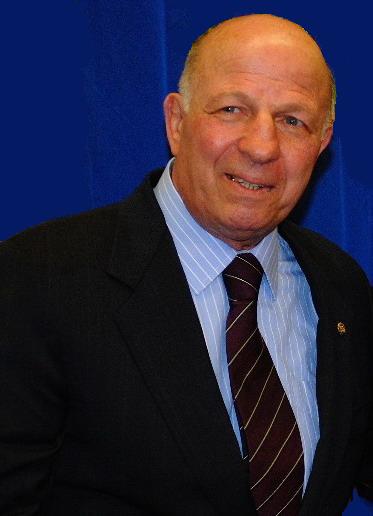
Sandro Mazzinghi was one of Italy’s most celebrated and formidable boxers, a name that still evokes admiration and respect in the world of sports. Born Alessandro Mazzinghi on October 3, 1938, in Pontedera, Italy, he rose to international fame as a world champion boxer in the super welterweight division during the 1960s. Mazzinghi’s career was marked by incredible victories, personal tragedies, and an indomitable spirit that made him a legendary figure in Italian sports history.
Early Life and Introduction to Boxing
Sandro Mazzinghi grew up in Pontedera, a small town in Tuscany, during a time when Italy was recovering from the ravages of World War II. His older brother, Guido, who was a successful boxer himself, introduced Sandro to the sport. Guido Mazzinghi was a decorated athlete, having won a bronze medal at the 1952 Helsinki Olympics and held the title of Italian champion. Under Guido’s guidance, Sandro began training in boxing, much to the dismay of their mother, who was unaware of her younger son’s involvement in the sport.
Sandro’s first mentor was Alfiero Conti, a dedicated trainer who saw potential in the young Mazzinghi. Conti famously told Sandro, “If you find the courage to persist, you have everything it takes to become a world champion.” This encouragement, coupled with Sandro’s natural talent and determination, set him on the path to greatness. By the mid-1950s, Mazzinghi was already making a name for himself in amateur boxing circuits, displaying the power and technique that would later define his professional career.
Rise to Professional Boxing
Sandro Mazzinghi’s transition from amateur to professional boxing was swift and successful. In 1961, he won the World Military Boxing Championship in the welterweight division, a significant achievement that solidified his reputation as a promising young boxer. Despite not competing in the 1960 Rome Olympics due to limited national exposure, Mazzinghi’s professional career quickly gained momentum.
His early professional record was impressive, characterized by a string of knockout victories that showcased his formidable punching power. However, his first significant challenge came in 1963, when he was presented with an opportunity to fight for the newly established super welterweight world title. At just 25 years old, without ever having fought for the Italian title, Mazzinghi was thrust onto the world stage.
The fight was set for September 7, 1963, at the Vigorelli in Milan, where Mazzinghi faced the seasoned American boxer Ralph Dupas. Dupas, who had taken the title from Dennis Moyer, was an experienced fighter known for his resilience. However, Mazzinghi’s relentless aggression and powerful punches overwhelmed Dupas, leading to a knockout in the ninth round. With this victory, Sandro Mazzinghi became the world champion, marking the beginning of a remarkable era in Italian boxing.
Tragedy and Triumph
Mazzinghi’s reign as a world champion was marked by both triumphs and personal tragedies. After defending his title successfully in a rematch against Dupas in Sydney, Australia, in December 1963, Mazzinghi seemed poised for a long and successful career. However, tragedy struck in 1965 when he and his wife were involved in a devastating car accident. The accident, which occurred after a gala dinner in Montecatini, resulted in the death of Mazzinghi’s wife and left him with severe injuries, including a skull fracture.
The emotional and physical toll of the accident was immense, but Mazzinghi’s fighting spirit remained unbroken. Despite his injuries, he returned to the ring later that year to defend his title. In a testament to his resilience, Mazzinghi defeated Tony Montano in Genoa and Fortunato Manca in Rome, securing his place as one of the top fighters in the world.
However, the most significant challenge of his career was yet to come. In June 1965, Mazzinghi faced Nino Benvenuti, another Italian boxing legend, in what was billed as the “Match of the Century” in Italian boxing. Mazzinghi, still recovering from his injuries, entered the ring not at full strength. Despite his best efforts, Benvenuti won the fight in the sixth round, ending Mazzinghi’s reign as world champion. A rematch in December of the same year also saw Benvenuti emerging victorious, this time on points.
The Comeback and Legacy
Many believed that Mazzinghi’s career was over after his losses to Benvenuti, but the “Cyclone of Pontedera” had other plans. In 1966, he won the European Super Welterweight title in Rome by knocking out Yoland Leveque in the twelfth round. This victory marked the beginning of a remarkable comeback that would see Mazzinghi reclaim his status as one of the top fighters in the world.
Over the next few years, Mazzinghi defended his European title four times, defeating high-caliber opponents like Bo Hogberg, Jean Baptiste Rolland, Wally Swift, and Jo Gonzales. His victories were a testament to his enduring power and skill, as well as his ability to overcome adversity.
In May 1968, Mazzinghi had the opportunity to reclaim his world title when he faced the Korean champion Ki Soo Kim at San Siro Stadium in Milan. The fight, one of the most intense and expensive in Italian boxing history, was watched by 60,000 spectators, all eager to see their hero regain the crown. After fifteen grueling rounds, Mazzinghi emerged victorious, once again becoming the world champion. This victory was the pinnacle of his career, a moment of redemption that solidified his legacy as one of the greatest boxers of his era.
However, Mazzinghi’s second reign as world champion was short-lived. In October 1968, he faced American boxer Freddie Little in a brutal fight that ended controversially. Mazzinghi suffered a severe cut from an accidental headbutt, and the fight was stopped, with the result later being declared a “no contest.” Disillusioned by the decision and the politics of boxing, Mazzinghi decided to retire from the sport shortly afterward.
Retirement and Later Life
After retiring from boxing, Sandro Mazzinghi returned to his hometown of Pontedera, where he lived a quiet life away from the limelight. His contributions to boxing and his legendary status in Italian sports were celebrated throughout his life. Despite the setbacks and tragedies he faced, Mazzinghi remained a symbol of resilience and determination.
Sandro Mazzinghi passed away on August 22, 2020, at the age of 81, following a stroke. His death marked the end of an era in Italian boxing, but his legacy lives on through the stories of his incredible fights, his perseverance in the face of adversity, and his impact on the sport.
Legacy and Impact
Sandro Mazzinghi’s career is a testament to the power of resilience, determination, and skill. He was not only a champion in the ring but also a figure who inspired many with his ability to overcome personal and professional challenges. Mazzinghi’s story is one of triumph over adversity, a narrative that resonates with athletes and fans alike.
In the annals of boxing history, Mazzinghi’s name is etched alongside the greats. His fights, particularly those against Ralph Dupas, Nino Benvenuti, and Ki Soo Kim, are remembered as some of the most intense and memorable in the sport. Mazzinghi’s style—characterized by his powerful punches, relentless aggression, and unyielding spirit—made him a favorite among boxing fans and a formidable opponent in the ring.
Beyond his achievements in the ring, Mazzinghi’s life story serves as an inspiration to those who face obstacles in their own lives. His ability to come back from devastating personal loss and career setbacks is a powerful reminder that with courage and determination, it is possible to overcome even the greatest challenges.
Conclusion
Sandro Mazzinghi’s life and career are a reflection of the highs and lows that come with pursuing greatness. From his humble beginnings in Pontedera to becoming a world champion, Mazzinghi’s journey was one of relentless pursuit of excellence. His legacy as one of Italy’s greatest boxers is secure, and his story continues to inspire future generations of athletes.
As we remember Sandro Mazzinghi, it is not just his victories that stand out, but also the way he handled defeat, tragedy, and the challenges life threw at him. He was a true champion, both in and out of the ring, and his impact on the world of boxing and sports in general will never be forgotten.


