
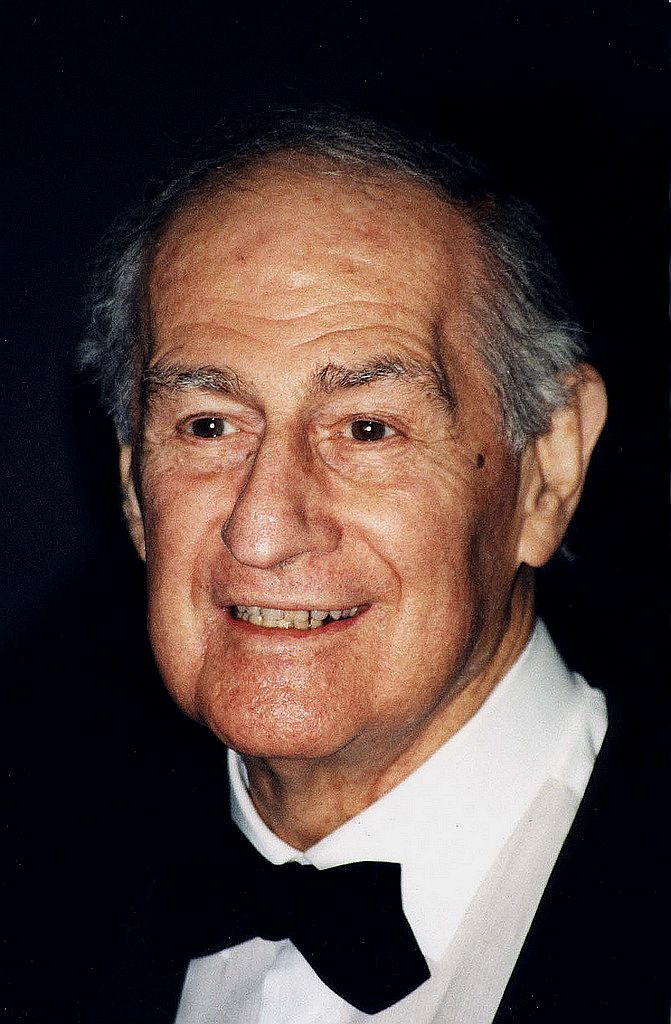
Gian Carlo Menotti, born on July 7, 1911, in Cadegliano, Italy, stands as one of the most influential composers and librettists of the 20th century. Renowned for his operatic works and for founding the prestigious Festival dei Due Mondi (Festival of Two Worlds) in Spoleto, Menotti’s contributions to the world of music and culture have left an indelible mark. This article explores Menotti’s life, his journey to fame, and the significant milestones that defined his career and legacy.
Early Life and Musical Beginnings
Gian Carlo Menotti was born into an Italian family with a strong cultural background. His mother, who recognized his musical talent at an early age, encouraged his artistic development. By the age of seven, Menotti had already begun composing his first songs, showcasing a prodigious talent that would define his future. At the tender age of eleven, he wrote his first opera, La morte di Pierrot, both composing the music and writing the libretto, a remarkable achievement for someone so young.
In 1923, Menotti formally began his musical education at the Conservatory of Milan, under the recommendation of the legendary conductor Arturo Toscanini. However, the trajectory of his life took a significant turn when his father passed away. His mother, seeking new opportunities and recognizing the potential for her son to thrive in a different environment, relocated the family to the United States. Menotti was then enrolled at the Curtis Institute of Music in Philadelphia, where he studied composition under the guidance of Rosario Scalero. It was here that Menotti’s talent was refined, setting the stage for his future successes.
Rise to Prominence: Early Operatic Works
Menotti’s breakthrough came with the composition of his opera Amelia al Ballo (Amelia Goes to the Ball) in 1937. This opera buffa (comic opera) was a triumph, premiering at the Metropolitan Opera in New York. The success of Amelia al Ballo marked Menotti as a composer of note, leading to further commissions. Notably, the National Broadcasting Company (NBC) commissioned him to write an opera specifically for radio, resulting in The Old Maid and the Thief (1939). This work was one of the first operas composed for radio and demonstrated Menotti’s innovative approach to composition and his ability to adapt to new media.
Menotti continued to build on this success with the opera The Medium (1945), which further solidified his reputation. The Medium is a psychological drama that explores themes of belief, deception, and the supernatural, set to a haunting and atmospheric score. It was soon followed by The Telephone (1947), a one-act comic opera that highlighted Menotti’s versatility and flair for incorporating contemporary issues—such as the increasing role of technology in daily life—into his works.
The Pulitzer Prize and International Acclaim
Gian Carlo Menotti’s most celebrated work, The Consul (1950), brought him international acclaim and earned him the Pulitzer Prize for Music. The Consul is a politically charged opera that tells the harrowing story of a woman’s struggle against an oppressive bureaucracy to obtain a visa for her family to escape political persecution. The opera’s themes of tyranny, oppression, and the fight for freedom resonated deeply with audiences in the post-World War II era, and its success was further underscored by Menotti’s win of the New York Drama Critics Circle Award.
Following The Consul, Menotti composed Amahl and the Night Visitors (1951), which became one of his most famous works. Commissioned by NBC as the first opera specifically composed for television, Amahl and the Night Visitors is a Christmas opera that tells the story of a disabled boy and his encounter with the Three Wise Men. Its accessible, lyrical music and heartwarming narrative have made it a perennial favorite, particularly during the holiday season.
In 1954, Menotti once again struck gold with The Saint of Bleecker Street. This opera, set in the Italian-American community of New York City, delves into themes of faith, mysticism, and human suffering. Like The Consul, it earned Menotti another Pulitzer Prize, further establishing him as one of the leading composers of his time.
The Festival of Two Worlds: Bridging Cultures
While Menotti continued to compose prolifically throughout the 1950s, his interests began to expand beyond composition. In 1958, he founded the Festival dei Due Mondi (Festival of Two Worlds) in Spoleto, Italy. The festival was conceived as a cultural bridge between Europe and America, bringing together artists, musicians, and performers from both continents to celebrate a wide array of artistic expressions.
The Festival of Two Worlds quickly gained international recognition, becoming one of Europe’s most important cultural events. Menotti’s vision for the festival was to create a space where different forms of art—music, theater, dance, and visual arts—could coexist and enrich each other. His leadership and artistic direction of the festival for many years made it a premier destination for the world’s top artists and an incubator for new talent.
The success of the Spoleto festival led Menotti to establish a sister festival in Charleston, South Carolina, in 1977, known as Spoleto Festival USA. This festival extended his vision of cultural exchange across the Atlantic, fostering collaboration between American and European artists. Menotti’s influence on these festivals cannot be overstated; they became vital platforms for launching the careers of many artists and for introducing innovative works to new audiences.
Later Works and Continuing Influence
Gian Carlo Menotti’s later career was marked by a continued commitment to both composing and promoting the arts. Among his later works are Goya (1986), an opera about the life of the Spanish painter Francisco Goya, which was written for the famous tenor Plácido Domingo. The opera explores the complex interplay of art, politics, and personal struggle, themes that resonated deeply with Menotti’s own experiences as an artist navigating the cultural landscapes of two continents.
Menotti also composed The Singing Child (1993) and Jacob’s Prayer (1997), the latter a cantata commissioned by the American Choral Directors Association. These works, along with many others, demonstrated Menotti’s continued relevance and ability to engage with contemporary issues through music.
Throughout his life, Menotti was not only a composer but also a director, often staging productions of his own works. His keen understanding of the theatrical elements of opera—set design, lighting, and direction—allowed him to create productions that were as visually compelling as they were musically innovative.
Menotti’s contributions to the arts were widely recognized during his lifetime. In 1984, he was awarded the Kennedy Center Honor for his lifetime achievements in the arts, a prestigious accolade that celebrated his impact on American culture. From 1992 to 1994, he served as the Artistic Director of the Rome Opera House, further cementing his influence on the world of opera.
Personal Life and Legacy
Gian Carlo Menotti was not just a towering figure in the world of music; he was also a deeply private individual. His personal life, particularly his long-term relationship with fellow composer Samuel Barber, was an integral part of his life and career. The two met while studying at the Curtis Institute of Music and maintained a close personal and professional relationship throughout their lives. Barber’s opera Vanessa (1958), which won a Pulitzer Prize, was directed by Menotti at its premiere, showcasing the deep creative synergy between the two artists.
Menotti’s death on February 1, 2007, in Monaco marked the end of an era. He was one of the last great composers who had experienced firsthand the evolution of 20th-century music, from the late Romantic period through to modernism and beyond. At the time of his death, Menotti was the most frequently performed living opera composer, a testament to the enduring popularity and relevance of his work.
Menotti’s legacy is multifaceted. He was a pioneer in bringing opera to new audiences through television and radio, a champion of cultural exchange through his festivals, and a composer whose works continue to be celebrated for their emotional depth, melodic richness, and theatrical brilliance. His influence extends far beyond the operatic stage, touching on all aspects of the performing arts.
Conclusion
Gian Carlo Menotti’s life and career were marked by a relentless pursuit of artistic excellence and a deep commitment to cultural exchange. From his early success with Amelia al Ballo to his later triumphs with The Consul and The Saint of Bleecker Street, Menotti consistently pushed the boundaries of what opera could achieve, both musically and theatrically.
As the founder of the Festival of Two Worlds, Menotti created a lasting platform for artistic collaboration that continues to thrive today. His contributions to the world of opera and the broader arts have left a legacy that will be remembered for generations to come.
Menotti’s story is one of a true cultural visionary—an artist who not only excelled in his craft but also sought to create a world where art could be a bridge between cultures, bringing people together across the divides of geography and language. His work remains a testament to the power of music and the arts to inspire, challenge, and unite.


