
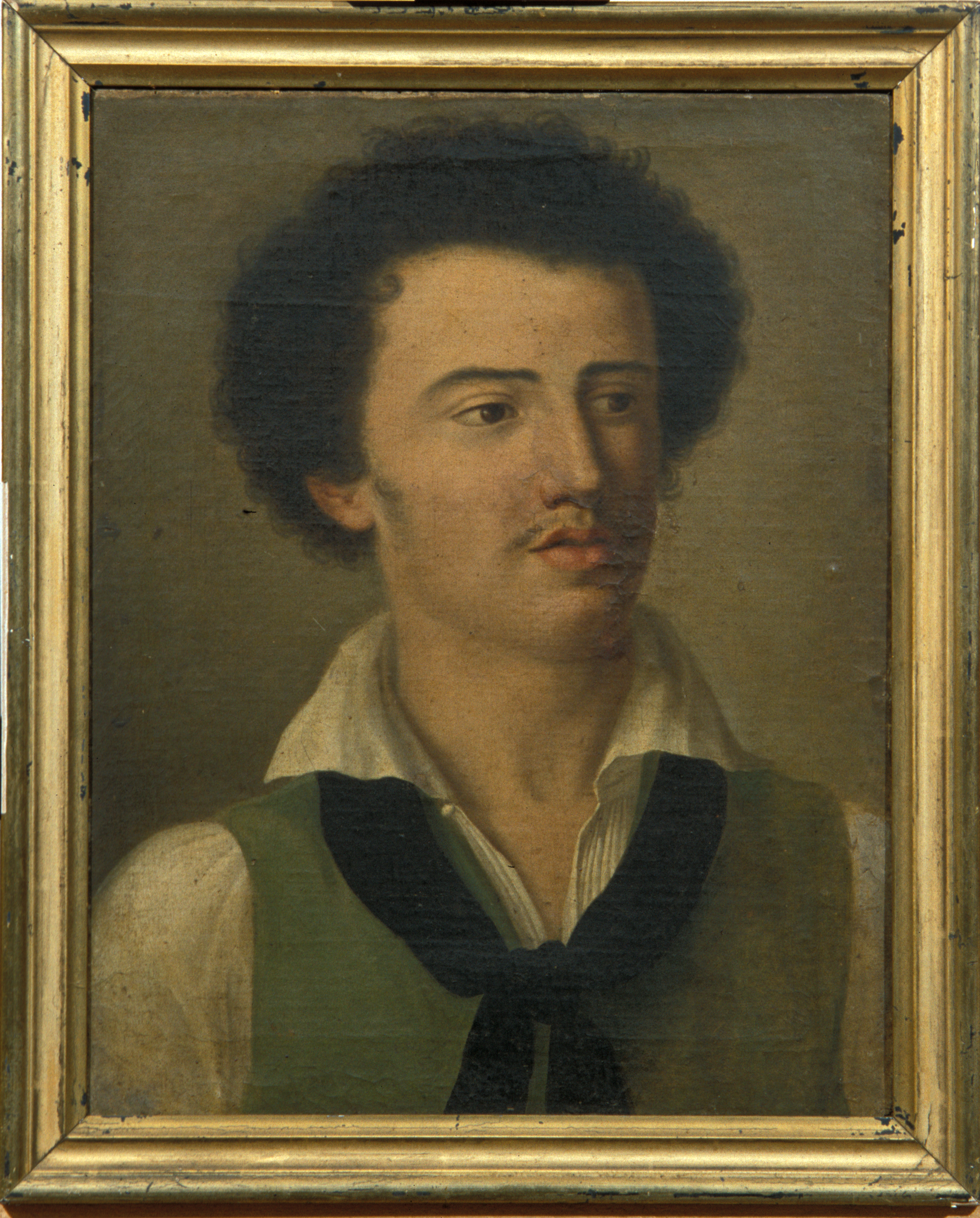
Ciro Menotti, born on January 22, 1798, in Carpi, Modena, stands as a symbol of Italian patriotism and the struggle for national unity. His life and efforts, while ultimately tragic, played a significant role in the Italian Risorgimento—a period of intense political and social upheaval that sought to unify the disparate states of Italy. This detailed exploration will delve into Menotti’s early life, his revolutionary activities, and his enduring legacy.
Early Life and Influences
Ciro Menotti was born into modest beginnings in Carpi, a small town in the Duchy of Modena. His early years were marked by a keen interest in the political and social changes sweeping through Europe. As a young man, Menotti was profoundly influenced by the revolutionary ideals of the time, particularly those emerging from the French Revolution and the subsequent Napoleonic Wars. These movements inspired him to challenge the existing order in Italy, which was fragmented and dominated by various foreign powers, including the Austrians.
Menotti’s education and early career were deeply intertwined with his political ambitions. Initially pursuing a career in law, he soon became disillusioned with the stagnant political landscape in his homeland. This dissatisfaction led him to join the Carbonari, a secret revolutionary society dedicated to the cause of Italian unification and the expulsion of foreign rulers. The Carbonari’s ideals resonated with Menotti’s own beliefs, shaping his future actions and strategies.
Revolutionary Activities and the Plot Against Austrian Rule
In the early 19th century, Italy was divided into several states, many of which were under Austrian control. Menotti’s home region, Modena, was ruled by the Duke Francesco IV d’Este, who was an Austrian archduke. The Duke’s reign was characterized by a veneer of support for reform while simultaneously maintaining a firm grip on power and seeking to expand his territory.
Menotti, along with other patriotic conspirators, sought to liberate the Duchy of Modena from Austrian dominance and to establish a unified Italian state. His plan involved a coordinated uprising, leveraging the support of various revolutionary factions and sympathetic liberals. Menotti and his associates aimed to capitalize on the political unrest and the growing desire for Italian unification.
In January 1831, Menotti meticulously organized the insurrection, preparing for a decisive strike against the ruling Duke. His efforts included assembling a group of around forty dedicated revolutionaries, planning their moves with precision, and seeking alliances with like-minded groups across Italy. However, the situation quickly unraveled.
Betrayal and Arrest
The Duke Francesco IV, aware of the brewing discontent, decided to seek assistance from the major powers of the Holy Alliance—Russia, France, Austria, and Prussia. By calling upon these powers, the Duke aimed to suppress the revolt before it could gain momentum. His strategy involved using military force to stifle the insurrection and maintain his regime’s stability.
On the eve of the uprising, the Duke’s forces surrounded Menotti’s residence, leading to a dramatic confrontation. Many of Menotti’s followers managed to escape, but Menotti himself was captured. The failure of the insurrection marked a significant setback for the Italian unification movement, but it did not quench the spirit of resistance that Menotti and his companions had ignited.
Trial and Execution
Following his arrest, Ciro Menotti was taken to Mantova and then back to Modena, where he faced a swift and severe trial. Despite attempts to negotiate his release or secure a pardon, Menotti was sentenced to death. His trial was a reflection of the broader political repression faced by those who sought to challenge the established order.
During his imprisonment, Menotti wrote a poignant letter to his wife and children. In this letter, he expressed his resignation to his fate and his unwavering commitment to the cause of Italian liberation. His words, filled with both personal anguish and political resolve, captured the essence of his struggle:
“The disappointment that leads me to die will forever drive Italians away from any foreign influence in their interests and will alert them to rely solely on the strength of their own arms.”
This letter, intended for his family, was only delivered to them years later, in 1848, after being intercepted by authorities. Menotti was executed by hanging on May 26, 1831, at the age of 33.
Legacy and Impact
Ciro Menotti’s life and death had a profound impact on the Italian unification movement. His bravery and sacrifice became symbols of the broader struggle for Italian independence and unity. Although his immediate efforts did not succeed, they were instrumental in inspiring subsequent generations of Italians who continued to fight for their national ideals.
Menotti’s legacy is also reflected in the way he is remembered in Italian history. He is often cited as a martyr for the cause of national unity, and his story is emblematic of the personal sacrifices made by many in the pursuit of a unified Italy. His actions contributed to the growing momentum of the Risorgimento, which eventually led to the unification of Italy in 1861.
The efforts of men like Menotti were crucial in shaping the course of Italian history. His commitment to his ideals and his role in the broader struggle against foreign domination are commemorated in various ways, including memorials and historical accounts that celebrate his contributions to the Italian unification movement.
Conclusion
Ciro Menotti’s life was a testament to the power of individual commitment and sacrifice in the face of overwhelming odds. His dedication to the cause of Italian unification and his willingness to confront the dominant powers of his time exemplify the spirit of resistance that characterized the Risorgimento. Although his life was cut short, his legacy endures as a symbol of patriotism and the relentless pursuit of national unity.
Through his efforts, Menotti not only contributed to the Italian unification movement but also left an enduring mark on the collective memory of Italy. His story is a poignant reminder of the complexities and challenges involved in the struggle for national independence and the enduring impact of those who dare to challenge the status quo.


