
Introduction
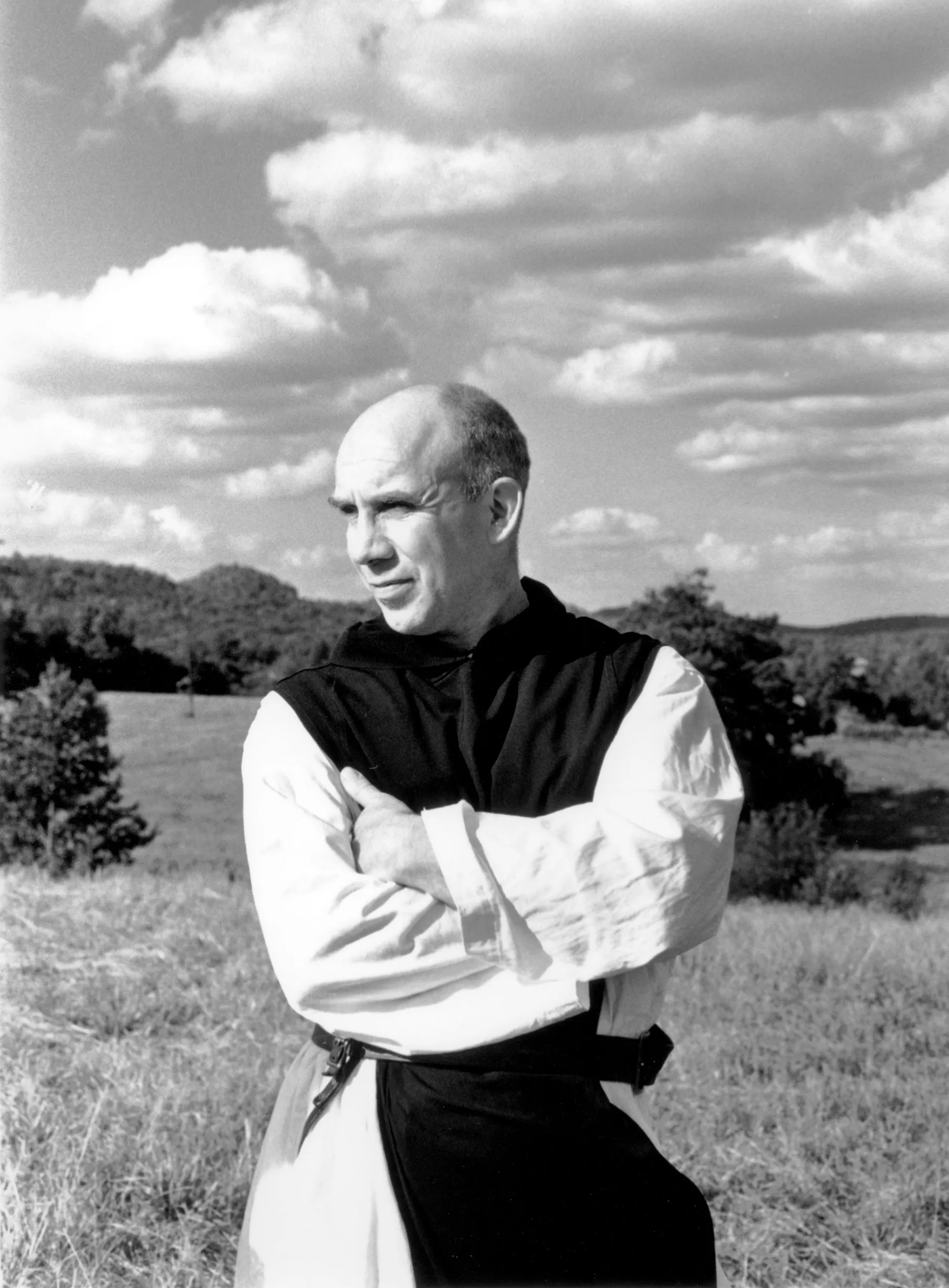
Thomas Merton, a profound figure in 20th-century spirituality and literature, remains influential due to his unique contributions to ecumenism, peace, and social justice. Born on January 31, 1915, in Prades, France, Merton’s life journey traversed continents, from Europe to America, and ultimately to the heart of monasticism in Kentucky. His impact spans literature, religious thought, and civil rights advocacy. This article explores Thomas Merton’s age, fame, and life highlights, offering detailed insights into his remarkable life and enduring legacy.
Early Life and Education
Thomas Merton’s early life was marked by significant upheavals. Born to Owen Merton, a New Zealand painter, and Ruth Jenkins, an American Quaker artist, Merton’s early years were influenced by a blend of artistic and cultural backgrounds. The Merton family relocated to the United States due to the worsening conditions of World War I. Initially settling on Long Island, New York, they later moved to Douglaston and subsequently to Flushing.
Tragedy struck when Ruth Merton passed away from cancer in October 1921. Following this, Owen Merton moved to Bermuda, where Thomas spent part of his youth. Thomas Merton’s academic journey began with studies at Oakham School in England, where he graduated in 1932. He then earned a scholarship to Clare College, Cambridge, where he pursued foreign languages and literature. However, Merton’s time at Cambridge was marked by a lack of discipline and personal struggles.
In 1934, while traveling in Rome, Merton experienced a profound spiritual awakening upon visiting the early Christian basilicas. This moment sparked his interest in Catholicism, leading him to leave Cambridge and return to New York to continue his education. He obtained a Bachelor of Arts degree in 1938 and later a Master of Arts in 1939, with a thesis on William Blake’s poetry.
Conversion to Catholicism and Academic Career
Thomas Merton’s conversion to Catholicism was a significant turning point in his life. Influenced by Dan Walsh, one of his professors, Merton officially converted on November 16, 1938, at Corpus Christi Church in New York. His conversion was a catalyst for his future work and spiritual journey.
After completing his studies, Merton began a career in academia, teaching English literature at Columbia University before moving to Saint Bonaventure University in Allegany. His time at these institutions was marked by a growing interest in monastic life and spiritual exploration.
Monastic Life and Spiritual Development
In 1941, Thomas Merton entered the Trappist Abbey of Our Lady of Gethsemani in Kentucky. The Trappists, known for their strict observance of monastic vows, captivated Merton with their life of prayer and solitude. He was accepted as a postulant on December 10, 1941, and took his first vows in March 1944, adopting the religious name of Louis.
Merton’s monastic life was characterized by a deep commitment to prayer and contemplation. His writings during this period reflect his evolving spiritual insights and his engagement with broader social and political issues. His early works, such as “The Seven Storey Mountain,” published in 1948, gained significant acclaim and introduced Merton to a wider audience. This autobiography detailed his spiritual journey and became a bestseller, solidifying his reputation as a leading spiritual writer.
Influence and Literary Contributions
Thomas Merton’s literary contributions were diverse and influential. His works addressed themes of spirituality, monastic life, and social justice. Key texts include:
- “The Seven Storey Mountain” (1948): This autobiographical work recounts Merton’s spiritual journey and his decision to join the Trappists. It remains a classic in spiritual literature.
- “Seeds of Contemplation” (1949): This collection of essays explores the nature of contemplation and the spiritual life, emphasizing the importance of inner peace and reflection.
- “The Waters of Siloe” (1949): A meditation on the spiritual journey, focusing on themes of renewal and transformation.
Merton’s writings were not confined to monastic themes alone. He engaged with contemporary social issues, including civil rights and pacifism. His reflections on the Vietnam War and his interactions with various religious traditions demonstrated his commitment to social justice and global peace.
Advocacy for Peace and Social Justice
Merton’s advocacy for peace and social justice was a central aspect of his later life. His opposition to war and violence was influenced by personal loss, including the death of his brother John Paul Merton during World War II. This loss deepened his commitment to pacifism and his critique of militarism.
In the 1960s, Merton became involved in civil rights movements, advocating for racial equality and social change. His engagement with Buddhism and his encounters with figures such as the XIV Dalai Lama further broadened his perspective on interfaith dialogue and global peace.
Merton’s journey to the East in 1968 was a significant part of his exploration of spiritual and social issues. His meeting with the Dalai Lama and his interest in Buddhist monastic practices highlighted his openness to diverse spiritual traditions and his commitment to global harmony.
Legacy and Influence
Thomas Merton’s life was tragically cut short when he died on December 10, 1968, in Bangkok, Thailand, at the age of 53. His death was caused by an accidental electrocution from a malfunctioning fan, a somber end to a life dedicated to spiritual and social causes.
Merton’s legacy endures through his extensive body of work and his influence on contemporary spirituality and social activism. His writings continue to inspire readers and scholars, and his contributions to ecumenism and social justice remain relevant in discussions of interfaith dialogue and peace-building.
Conclusion
Thomas Merton’s life and work offer a compelling narrative of spiritual exploration, literary achievement, and social advocacy. From his early struggles and conversion to his monastic commitment and social activism, Merton’s journey reflects a profound engagement with the spiritual and social issues of his time. His writings and actions continue to resonate with those seeking insight into the nature of spirituality and the pursuit of peace.
Merton’s impact on modern spirituality and social thought underscores the enduring relevance of his contributions. His ability to bridge diverse traditions and advocate for justice makes his life story a significant chapter in the history of 20th-century spirituality.


