
Introduction
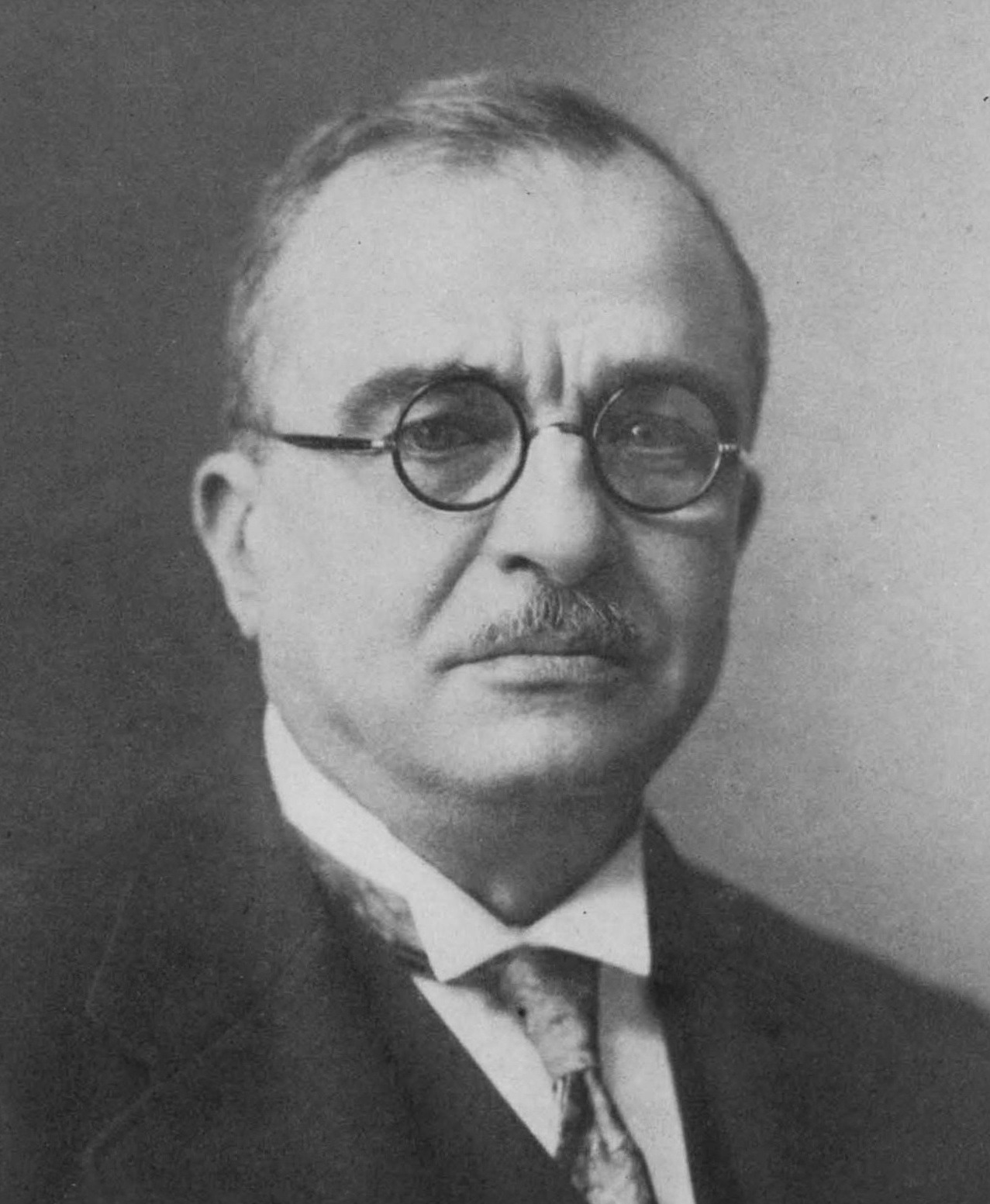
Ioannis Metaxas, a prominent Greek military officer and politician, is remembered for his role in shaping modern Greek history. Born on April 12, 1871, in Ithaca, Greece, Metaxas’ legacy is marked by his leadership during critical periods of Greece’s 20th-century history. His influence spanned from military successes to political innovations and controversial decisions that have left an enduring impact on Greek society. This article delves into the life of Ioannis Metaxas, exploring his age, rise to fame, and key life highlights, while providing a nuanced historical context to his contributions and controversies.
Early Life and Background
Ioannis Metaxas was born into a well-established Greek family on the island of Ithaca, famous for its association with Homer’s epic hero, Odysseus. His early years were shaped by the rich cultural and historical heritage of his homeland. Metaxas’ education began at the local school in Ithaca before he moved to Athens for further studies. His early academic and personal experiences set the foundation for his future endeavors in the military and politics.
Metaxas entered the Hellenic Military Academy in 1888, where he trained as a soldier. His time at the academy was marked by a rigorous education in military strategy and discipline, which would later influence his leadership style. Upon graduating in 1890, Metaxas quickly established himself as a promising officer within the Greek army.
Military Career and World War I
Metaxas’ military career began in earnest during the Greco-Turkish War of 1897, where he demonstrated notable leadership skills. His experiences during this conflict were formative, providing him with practical insights into military strategy and tactics. As he rose through the ranks, Metaxas gained a reputation for his expertise and dedication.
The outbreak of World War I presented a significant challenge for Greece, which was divided over its involvement in the conflict. Metaxas played a crucial role during this period as Greece navigated its position in the war. His military acumen was further demonstrated during the Balkan Wars (1912-1913), where his leadership contributed to Greece’s territorial gains.
During World War I, Greece faced internal strife between the royalist and Venizelist factions, each with differing views on the country’s role in the conflict. Metaxas, initially aligning with the royalists, found himself at the center of these political tensions. Despite these challenges, he continued to advance in his military career, showcasing his ability to navigate complex political and military landscapes.
Political Ascent and the Establishment of the Metaxas Regime
Following the tumultuous years of World War I and the subsequent Greek Civil War, Metaxas transitioned from a military career to a political one. His rise in the political arena was marked by a series of strategic moves that positioned him as a key figure in Greek politics.
In 1936, Metaxas became the Prime Minister of Greece. His appointment was a significant turning point in Greek politics, as he implemented a series of reforms aimed at stabilizing the country. Metaxas’ regime, known as the “4th of August Regime,” was characterized by its authoritarian approach, with Metaxas consolidating power and establishing a one-party state.
Metaxas’ policies were aimed at modernizing Greece and improving its economic stability. He pursued a range of initiatives, including infrastructure development, economic reforms, and efforts to strengthen Greece’s military capabilities. His regime also focused on promoting Greek nationalism and traditional values, which resonated with many Greeks during a period of economic hardship and political instability.
The Italian Invasion and the Greek Resistance
One of the most defining moments of Metaxas’ tenure as Prime Minister came with the Italian invasion of Greece in 1940. On October 28, 1940, Italy, under the leadership of Benito Mussolini, launched an invasion of Greece. Metaxas’ response to this aggression became a pivotal moment in Greek history.
Metaxas’ refusal to capitulate to Italian demands was met with widespread admiration. His famous “No” (“Ochi”) speech, delivered in defiance of Mussolini’s ultimatum, symbolized Greek resistance against fascist aggression. The Greek army’s successful counteroffensive against the Italian forces was a significant achievement and bolstered national morale.
The Greek resistance during World War II was a critical factor in the eventual Allied victory in the Mediterranean theater. Metaxas’ leadership during this period was instrumental in rallying the Greek population and military against the Axis powers. Despite his authoritarian rule, his ability to inspire resistance against external threats contributed to his enduring legacy.
Post-War Period and Legacy
The aftermath of World War II brought significant changes to Greece. Metaxas’ regime was challenged by the shifting political landscape, and the country faced a series of upheavals in the post-war period. In 1941, with the Axis occupation of Greece, Metaxas was forced to resign and subsequently died on January 29, 1941.
Metaxas’ legacy remains complex and multifaceted. On one hand, he is remembered for his role in leading Greece during a critical period of resistance against fascism. His leadership during the Italian invasion and his contributions to Greek nationalism are often highlighted as significant achievements.
On the other hand, his authoritarian rule and the establishment of a one-party state have been subjects of controversy. Critics argue that his regime’s repressive measures and the suppression of political dissent were detrimental to Greek democratic values.
Despite these controversies, Metaxas’ impact on Greek history is undeniable. His ability to inspire resistance against foreign aggression and his efforts to modernize Greece have left a lasting imprint on the nation’s collective memory. His role in shaping Greece’s 20th-century history underscores the complexity of his legacy and the nuanced nature of his contributions.
Conclusion
Ioannis Metaxas’ life and career were marked by a series of significant achievements and challenges. From his early military successes to his role in leading Greece during World War II, Metaxas’ legacy is a reflection of both his contributions and the controversies surrounding his rule. His impact on Greek history, particularly during a time of intense political and military conflict, remains a subject of both admiration and debate.
As Greece continues to reflect on its historical figures, Metaxas’ legacy serves as a reminder of the complexities inherent in leadership and the enduring impact of historical events. His story, marked by moments of bravery and authoritarianism, highlights the multifaceted nature of historical figures and the ways in which their actions continue to shape the present.


