
Introduction
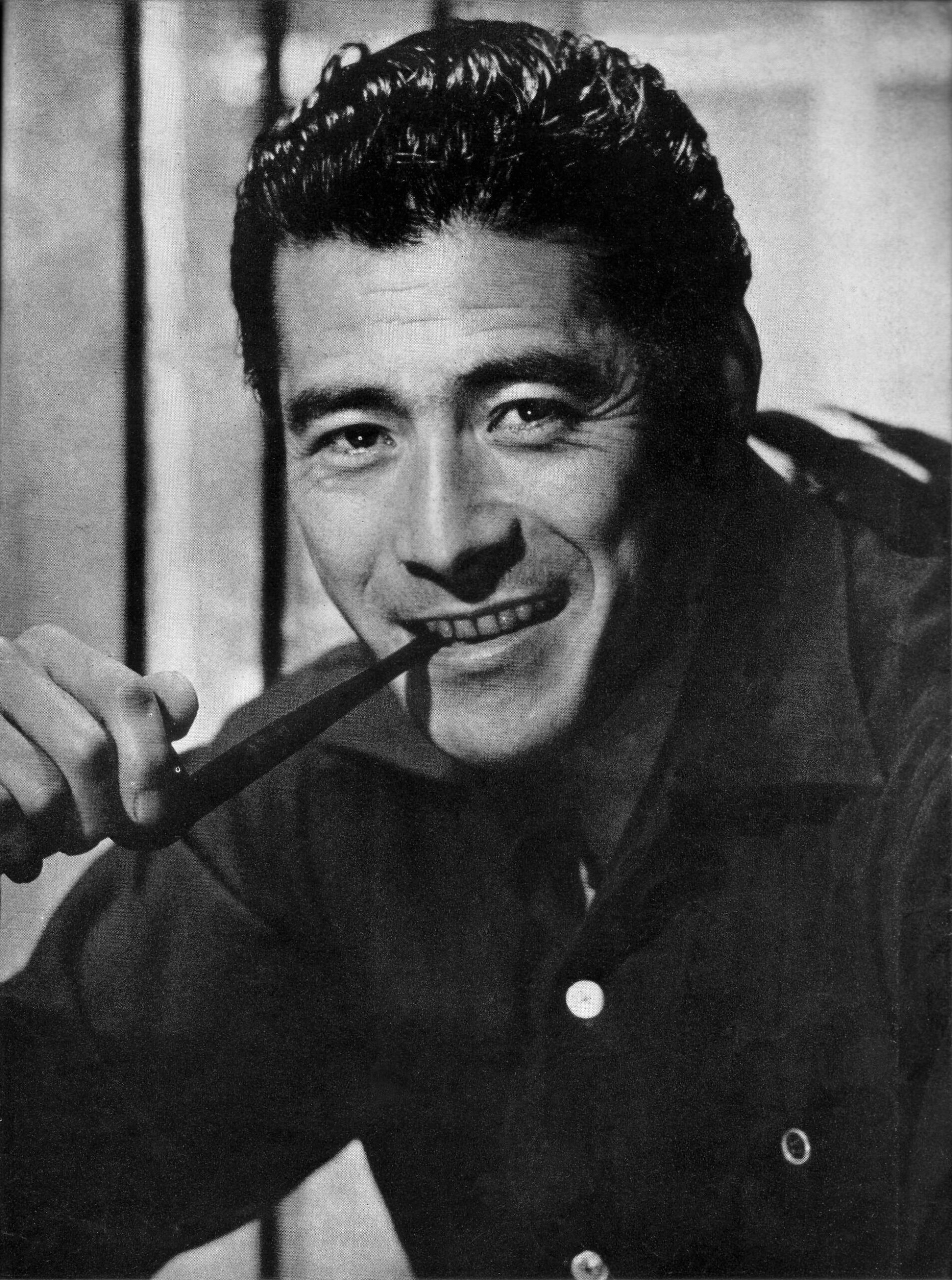
Toshiro Mifune stands as one of the most iconic figures in the history of cinema, celebrated for his powerful performances and significant contributions to both Japanese and global film industries. Known for his collaborations with legendary director Akira Kurosawa, Mifune’s career spanned several decades and left an indelible mark on the art of acting. This article delves into Mifune’s life, from his early beginnings to his rise as a global cinema legend, exploring his major achievements, personal life, and the lasting impact he had on the film world.
Early Life and Background
Born on April 1, 1920, in Tsingtao, China, which was then part of Japanese-occupied Manchuria, Toshiro Mifune’s early life was shaped by his Japanese parents’ missionary work. Raised in a milieu steeped in Chinese culture, he attended high school in Port Arthur. Mifune’s initial ambition was to become a photographer, a path he pursued before and during World War II. During the war, he served in the Imperial Japanese Army Air Force and utilized his photographic skills to capture wartime scenes.
Transition to Acting
After the war, Mifune moved to Tokyo with aspirations of a career in photography. However, fate had other plans. In 1946, he secured a job as an assistant cameraman at Toho Studios, marking the beginning of his cinematic journey. Despite an initial setback in a selection process for a talent program called “New Faces,” Mifune’s potential was recognized by the esteemed director Kashiro Yamamoto. Yamamoto recommended Mifune to director Seukichi Taniguchi, leading to Mifune’s film debut in “Shin Baka Jida” (1947).
The Kurosawa Era
Mifune’s career took a transformative turn when he crossed paths with Akira Kurosawa, a partnership that would define much of his career. The collaboration began with the film “Drunken Angel” (1948) and soon flourished into one of the most prolific and influential actor-director relationships in cinema history. Mifune’s role in “Rashomon” (1950), a film that won international acclaim for its innovative narrative structure, solidified his status as a leading actor. His portrayal of complex characters with a blend of intensity and vulnerability became a hallmark of his performances.
Major Films and Achievements
One of Mifune’s most celebrated roles came in “Seven Samurai” (1954), a film that remains a cornerstone of cinematic storytelling. The film’s influence extended beyond Japan, inspiring Hollywood’s “The Magnificent Seven” (1960). Mifune’s portrayal of the masterless samurai in “Seven Samurai” showcased his exceptional range and solidified his reputation as a versatile actor capable of delivering both fierce and nuanced performances.
In 1957, Mifune’s career continued to flourish with his role in “Throne of Blood,” Kurosawa’s adaptation of Shakespeare’s “Macbeth.” The film was a testament to Mifune’s ability to transcend cultural and linguistic barriers, bringing Shakespeare’s tragic hero to life with a unique Japanese twist. Mifune’s work in “Yojimbo” (1961) earned him the Best Actor Award at the Venice Film Festival, further cementing his status as a leading figure in international cinema.
Later Career and International Recognition
Throughout the 1960s and 1970s, Mifune’s career continued to thrive with a series of notable performances. He starred in “Red Beard” (1965), another collaboration with Kurosawa that earned him the Best Actor Award at the Venice Film Festival for the second time. Mifune’s foray into international cinema included roles in “Hell in the Pacific” (1968) alongside Lee Marvin, and “The Sea Chase” (1955) with John Wayne, showcasing his ability to work seamlessly within both Japanese and Western film traditions.
In the 1980s, Mifune’s presence in international cinema expanded further. His role in “1941” (1979), a comedic film directed by Steven Spielberg, demonstrated his versatility and adaptability to different genres. His performance in the television miniseries “Shogun” (1980), based on James Clavell’s bestselling novel, earned him an Emmy Award for Best Actor, marking a significant achievement in his career.
Personal Life and Legacy
Toshiro Mifune’s personal life was marked by significant milestones, including his marriage to Sachiko Mifune in 1950 and the birth of their two children, Shiro and Mika. His family life, however, was marred by personal tragedy, including his wife’s illness and eventual death in 1995. Mifune himself faced health challenges in his later years, which ultimately led to his passing on December 24, 1997, in Mitaka, Japan.
Mifune’s legacy extends far beyond his filmography. His performances have influenced generations of actors and filmmakers, and his contributions to cinema are celebrated worldwide. Mifune’s ability to embody a wide range of characters, from the stoic samurai to the troubled anti-hero, remains a testament to his extraordinary talent and dedication to the craft of acting.
Conclusion
Toshiro Mifune’s life and career reflect a profound impact on the world of cinema. From his humble beginnings in China to his status as a global film icon, Mifune’s journey is a testament to his exceptional talent and perseverance. His collaborations with Akira Kurosawa and his roles in seminal films like “Seven Samurai” and “Rashomon” have left an enduring legacy that continues to inspire and captivate audiences around the world. As a towering figure in both Japanese and international cinema, Toshiro Mifune’s contributions will forever be remembered and celebrated in the annals of film history.


