
Early Life and Education
Emmanuel Milingo was born on June 13, 1930, in MnuKwa, a small village in the Chinata district of Zambia. His early years were shaped by a deep connection to his community and faith, which would later become the cornerstone of his life’s work. In 1942, at the age of 12, Milingo entered the Lower Seminary of Kasina in Zambia, marking the beginning of his journey into religious life. Six years later, he continued his studies at the Higher Seminary in Kachebere, solidifying his commitment to the Catholic Church.
Milingo’s academic pursuits were diverse and extensive. In 1961, he earned a degree in Pastoral Sociology from the Pontifical Gregorian University in Rome. This was followed by a degree in Education from the University of Berlin in 1963, and later, in 1966, he specialized in Radio Communication in Kenya. Milingo’s education was not just academic; it was also deeply rooted in the practical needs of his ministry. His training in radio communication, for instance, was instrumental in his later efforts to use modern technology to spread the teachings of the Church.
Rise to Prominence: The 1960s and 1970s
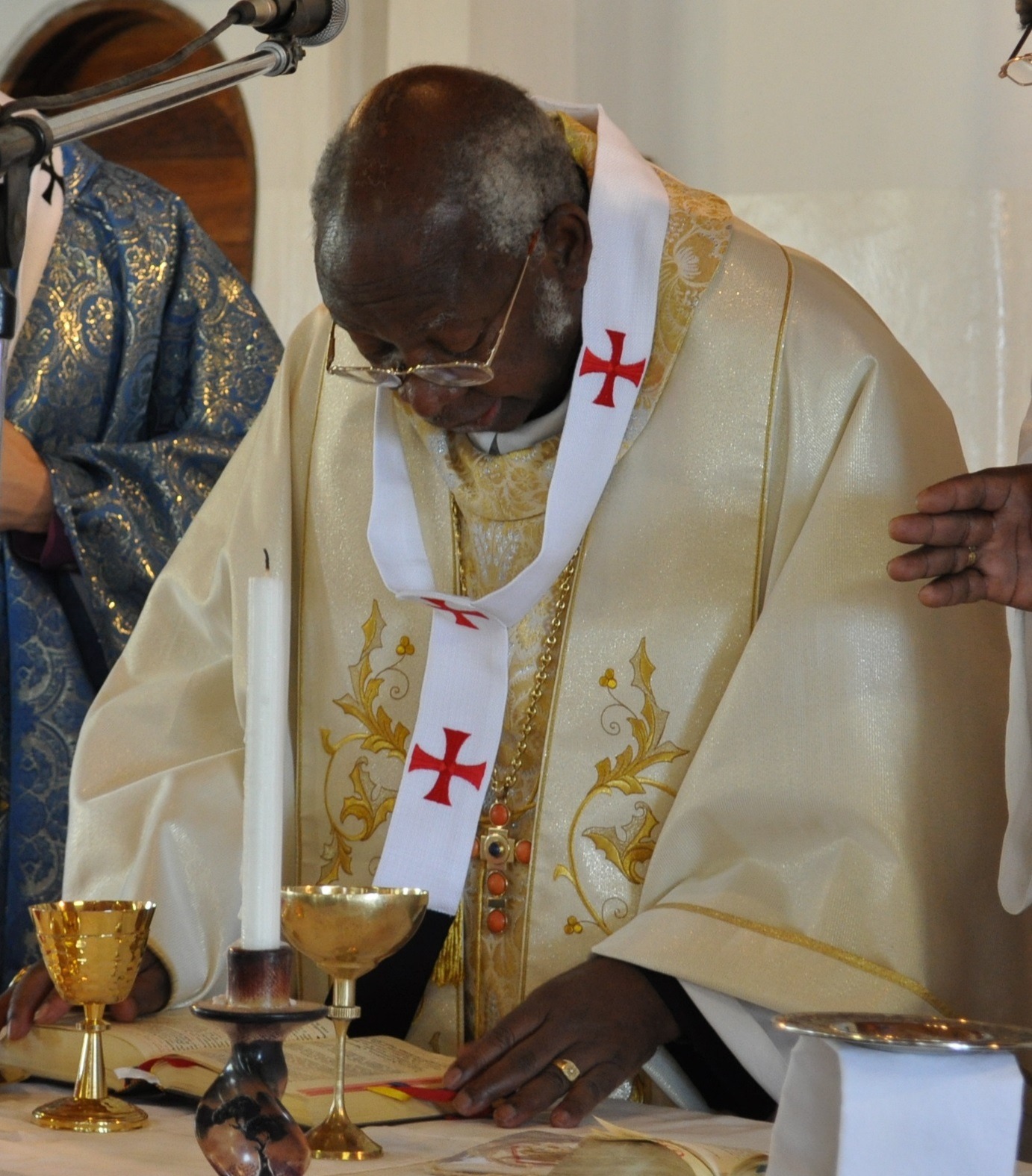
Milingo’s rise within the Catholic Church was swift. On August 31, 1958, he was ordained as a priest, and just 11 years later, in 1969, Pope Paul VI consecrated him as the Archbishop of Lusaka, the capital of Zambia. This appointment made him one of the youngest archbishops in the history of the Catholic Church, and it was a testament to his dedication and the promise he showed as a spiritual leader.
As Archbishop of Lusaka, Milingo was known for his dynamic leadership and his innovative approach to ministry. He was particularly focused on the practical needs of his community, founding the Zambia Helpers Society (ZHS) to provide healthcare through mobile clinics. This initiative was part of his broader commitment to improving the lives of the people in his diocese, especially the poor and marginalized.
Milingo also founded several religious orders, including the Sisters of the Redeemer in Zambia, the Daughters of Jesus the Good Shepherd in Kenya, and the Brothers of St. John the Baptist. These orders were established to address the spiritual and material needs of their communities, and they played a crucial role in the expansion of the Church’s influence in the region.
Controversies and Exorcism Ministry
Despite his successes, Milingo’s tenure as Archbishop was not without controversy. He became widely known for his involvement in exorcisms, a practice that, while accepted in certain contexts within the Catholic Church, was often viewed with skepticism by the broader public and some church officials. Milingo claimed to have received the “gift” of healing on April 3, 1973, and his exorcism practices drew large crowds, further enhancing his reputation as a spiritual healer.
However, this aspect of his ministry also attracted criticism. Milingo’s exorcisms were dramatic and sometimes controversial, leading to tension between him and the Vatican. His practices were seen by some as unorthodox and even sensationalist, raising concerns about the appropriateness of such displays within the Church.
A Dramatic Turn: Involvement with the Unification Church
The late 1980s marked a turning point in Milingo’s life and career. In a move that shocked many, he became involved with the Unification Church, a religious movement founded by Reverend Sun Myung Moon. This association with a group often labeled as a cult was seen as a significant deviation from his Catholic roots.
The Vatican was quick to respond. In 2001, Milingo married Maria Sung Ryen in a mass wedding ceremony officiated by Reverend Moon. The ceremony, which included 59 other couples, was highly unconventional. Many of the couples, including Milingo and Ryen, did not even know each other before the ceremony. The marriage generated significant media attention and was widely covered in international news outlets, bringing Milingo’s controversial actions to a global audience.
The Vatican responded swiftly and decisively. Milingo was warned that his actions were placing him outside the Church, and he was threatened with excommunication. On August 20, 2001, the Vatican issued an ultimatum to Milingo, demanding that he renounce his marriage and his association with the Unification Church or face excommunication.
Reconciliation and Final Break with the Vatican
In a surprising turn of events, Milingo initially appeared to reconcile with the Church. On August 7, 2001, he met with Pope John Paul II at Castelgandolfo, and just a few days later, on August 11, 2001, Milingo announced in a letter that he was renouncing his marriage and returning to the Catholic Church. He stated that he would “recommit his life to the Catholic Church with all his heart” and that he was ending his relationship with Maria Sung and the Unification Church.
This declaration seemed to close the chapter on Milingo’s controversial break with the Church. However, the peace was short-lived. By mid-2006, Milingo had once again broken away from the Church, this time definitively. He reappeared in New York in July 2006, announcing that he had reunited with Maria Sung and was now living with her. Shortly thereafter, he founded a new organization for married priests, signaling his final break with the Catholic Church.
In September 2006, Milingo announced his intention to establish the “Church of Married Priests” and appointed four bishops. This action prompted the Vatican to issue a formal excommunication, officially severing Milingo’s ties with the Catholic Church.
Later Years and Legacy
In 2009, the Vatican took further steps to limit Milingo’s influence by suspending him from the clerical state, effectively reducing him to the status of a layperson. This suspension was a significant move, aimed at preventing Milingo from ordaining new priests or bishops, a power that he had sought to exercise through his new church.
Despite these setbacks, Milingo continued to be a prominent and controversial figure. His life has been marked by a series of dramatic turns, from his early success as a young archbishop to his public break with the Vatican and his ongoing advocacy for married priests. His actions have sparked debate not only within the Catholic Church but also among the broader public, raising questions about the nature of faith, obedience, and the role of the Church in modern society.
Milingo’s legacy is complex. To some, he is seen as a trailblazer who challenged the rigid structures of the Catholic Church and advocated for reforms that many believe are long overdue. To others, he is viewed as a figure who strayed from his spiritual duties, leading to confusion and division within the Church.
Conclusion
Emmanuel Milingo’s life is a fascinating and often controversial journey through faith, power, and personal conviction. From his early days as a dedicated young priest in Zambia to his rise as an influential archbishop, and finally, to his dramatic break with the Catholic Church, Milingo’s story is one of constant evolution and defiance.
His actions have had a profound impact on the Catholic Church, particularly in Africa, where he remains a well-known figure. His advocacy for married priests and his establishment of a new church reflect broader debates within the Church about celibacy, the role of priests, and the future of Catholicism.
Milingo’s life also raises important questions about the nature of religious authority and the limits of personal belief. His story is a reminder of the complexities of faith and the challenges that come with leading a life dedicated to spiritual service. Whether viewed as a hero or a heretic, Emmanuel Milingo’s influence on the religious landscape of the 20th and 21st centuries is undeniable.
As Milingo continues to navigate his path outside the traditional structures of the Catholic Church, his legacy will likely be debated for years to come. His story is a powerful testament to the enduring tension between tradition and change, obedience and rebellion, faith and doubt.


