
Introduction
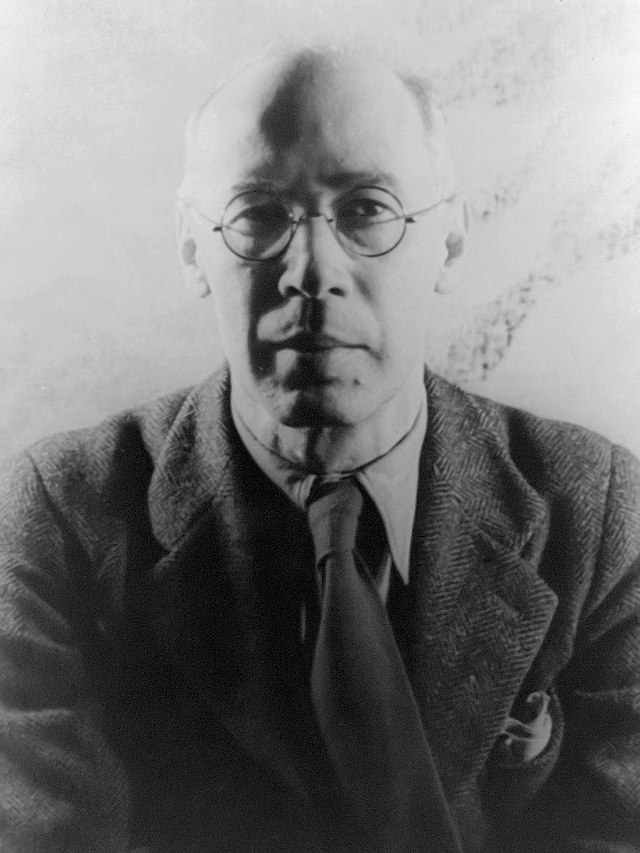
Henry Valentine Miller, born on December 26, 1891, in New York City, stands as one of the most influential and controversial American writers of the 20th century. His works, characterized by their candid exploration of sexuality and personal freedom, reshaped the boundaries of literature. This article provides an in-depth look at Miller’s life, tracing his rise to fame, his most notable works, and his lasting impact on literature and culture.
Early Life and Background
Henry Miller was born to a German-American family in a modest neighborhood in Brooklyn. His early years were shaped by the cultural and economic dynamics of early 20th-century New York. Miller spoke German until he started school, reflecting his family’s heritage and the immigrant experience. He attended the City College of New York for a brief period before embarking on a varied career path.
Miller’s early adulthood was marked by a series of jobs that included working for Western Union, which he later left to pursue his true passion: writing. This transition was not smooth; Miller’s initial attempts at writing were met with limited success, and he struggled to find a foothold in the literary world.
Struggles and Breakthroughs
In his twenties, Miller faced numerous challenges, including financial instability and an unsuccessful marriage. His first marriage, which began when he was 27, resulted in the birth of a daughter but ended in divorce in 1924. He soon married his second wife, June Smith, a dancer. Despite these personal upheavals, Miller’s desire to become a writer never wavered.
The turning point in Miller’s career came in 1928 when he moved to Europe, hoping that the literary scene abroad would provide better opportunities. His time in Paris was pivotal. It was there that he met Anaïs Nin, a writer who would play a significant role in his life and career. Their passionate affair and professional collaboration helped Miller secure his first major success.
Major Works and Impact
Miller’s breakthrough came with the publication of “Tropic of Cancer” in 1934. This semi-autobiographical novel was revolutionary for its frank depiction of sexuality and its unconventional narrative style. The book’s explicit content led to it being banned in several English-speaking countries. However, it gained acclaim for its raw honesty and stylistic innovation. The American edition did not appear until 1961, highlighting the controversy surrounding Miller’s work.
Following “Tropic of Cancer,” Miller published “Black Spring” (1936) and “Tropic of Capricorn” (1939), further establishing his reputation as a bold and innovative writer. These works continued to explore themes of personal freedom, sexuality, and the human condition with a candor that was both groundbreaking and polarizing.
World War II and Later Works
During World War II, Miller traveled to Greece, where he met the writer Lawrence Durrell. This experience inspired “The Colossus of Maroussi” (1941), a lyrical travelogue that captured the beauty and complexity of Greek culture. Miller’s observations and reflections in this work are considered some of his most profound and insightful.
Returning to the United States, Miller continued to write prolifically. His later works include “Sexus” (1949) and “Nexus” (1960), which are part of his “The Rosy Crucifixion” trilogy. These novels further explore his personal experiences and philosophical musings, continuing the themes of his earlier works.
Controversies and Legal Battles
Miller’s candid exploration of sexuality and the human psyche brought him both acclaim and criticism. His work faced numerous legal challenges, with “Tropic of Cancer” being subject to obscenity trials. The eventual legal victory, which ruled that the book was not obscene, marked a significant moment in literary history. This decision helped pave the way for more open discussions of sexuality in literature.
Despite the controversies, Miller’s influence on literature and culture continued to grow. His works inspired a new generation of writers and challenged the conventions of literary expression. Miller’s unapologetic approach to writing and his exploration of taboo subjects left an indelible mark on American literature.
Personal Life and Later Years
Henry Miller’s personal life was as turbulent as his professional career. After his initial marriages, he married Eve McClure, who would remain his wife until his death. Miller spent his later years in Big Sur, California, where he found a degree of stability and continued to write.
Miller’s health declined in his final years, and he faced a series of physical challenges. Despite these difficulties, he remained a vibrant and influential figure in literature. Miller passed away on June 7, 1980, in Pacific Palisades, California, at the age of 88.
Legacy and Influence
Henry Miller’s legacy is characterized by his fearless exploration of human sexuality and his challenge to literary norms. His works remain a testament to the power of literature to provoke thought and stir controversy. Miller’s impact extends beyond the written page; his influence is evident in the works of contemporary writers and the ongoing discussions about freedom of expression in literature.
Miller’s life and career highlight the complexities of a writer who dared to confront societal taboos and explore the depths of the human experience. His contributions to literature continue to be celebrated for their innovation, boldness, and profound insight into the human condition.
Conclusion
Henry Miller’s journey from a struggling writer to a celebrated literary figure is a testament to his resilience and creativity. His works, marked by their explicit content and unconventional style, challenged the boundaries of literature and sparked important conversations about sexuality and personal freedom. Miller’s legacy endures through his influential writings and the lasting impact he has had on literature and culture.
As we reflect on Miller’s life and achievements, we are reminded of the power of literature to provoke thought, challenge norms, and inspire future generations. Henry Miller’s story is a compelling reminder of the transformative power of storytelling and the enduring impact of courageous artistic expression.


