
Introduction
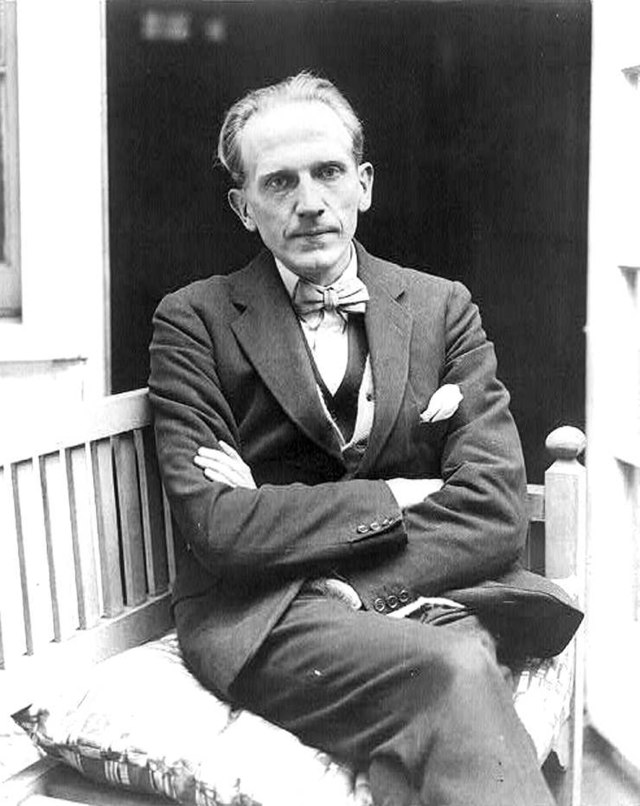
Alan Alexander Milne, born on January 18, 1882, in London, is a name that resonates with timeless charm and imagination. Best known for creating the beloved children’s character Winnie-the-Pooh, Milne’s contributions to literature have enchanted generations of readers. His works extend beyond the pages of children’s books, touching upon plays, novels, and poetry. This article delves into the life and achievements of Milne, exploring his impact on literature and the enduring legacy of his creations.
Early Life and Education
Alan Alexander Milne was born into a modest family in the bustling city of London. His father, John Vine Milne, was a grocer, while his mother, Sarah Marie Milne, was a former teacher. Raised in a supportive yet unpretentious environment, Milne’s early life was marked by a love for storytelling and the written word.
Milne attended the prestigious Westminster School, where his academic prowess shone through. He continued his education at Trinity College, Cambridge, where he studied mathematics. During his time at Cambridge, Milne honed his writing skills, contributing to the university’s publication, “Granta.” His talent for humor and wit was evident in his early works, setting the stage for his future literary career.
Early Career and Literary Beginnings
Milne’s literary career began with a focus on journalism and playwriting. After graduating from Cambridge in 1903, he worked as a journalist, writing for various publications, including “The Tatler” and “Punch.” His sharp wit and observational humor were well-received, leading to a successful career in writing.
Milne’s first book, “When We Were Very Young,” published in 1924, marked the beginning of his foray into children’s literature. The book, a collection of poems, was well-received and established Milne as a talented author. His subsequent work, “Winnie-the-Pooh,” published in 1926, would become his most famous and enduring creation.
Creation of Winnie-the-Pooh
The creation of Winnie-the-Pooh was inspired by Milne’s son, Christopher Robin Milne, and his stuffed bear, which was named Winnie-the-Pooh. The character of Winnie-the-Pooh, a lovable and naive bear, captured the hearts of readers worldwide. Milne’s ability to create endearing characters and relatable stories set “Winnie-the-Pooh” apart from other children’s literature of the time.
The success of “Winnie-the-Pooh” was followed by the publication of “The House at Pooh Corner” in 1928. This sequel continued the adventures of Pooh and his friends in the Hundred Acre Wood, solidifying Milne’s reputation as a master of children’s literature. The whimsical tales of Pooh, Piglet, Eeyore, and other beloved characters became a staple in children’s reading and have been translated into numerous languages.
Impact and Legacy
Alan Alexander Milne’s contributions to literature extend far beyond the realm of children’s books. His works, including plays such as “The Ivory Door” and “Mr. Pim Passes By,” showcased his versatility as a writer. Milne’s ability to blend humor with poignant observations made his works appealing to a broad audience.
The legacy of Winnie-the-Pooh continues to endure. The character has been adapted into various media, including animated films, television shows, and stage productions. Milne’s creation has become a cultural icon, representing the innocence and joy of childhood.
Milne’s impact on children’s literature is profound. His stories have taught generations of children valuable lessons about friendship, kindness, and imagination. The characters and themes in his books continue to resonate with readers, reflecting the universal appeal of his writing.
Later Life and Personal Challenges
Despite the success of his literary career, Milne faced personal challenges in his later years. His relationship with his son, Christopher Robin, became strained as the boy grew up and faced the pressures of living in the shadow of his father’s famous creation. Christopher Robin’s experiences with the fame associated with Winnie-the-Pooh were complex and often challenging.
Milne also experienced health issues in his later years. He suffered from a series of strokes and was diagnosed with a condition that affected his ability to speak and write. Despite these challenges, Milne’s love for writing and his dedication to his craft remained evident.
Death and Commemoration
Alan Alexander Milne passed away on January 31, 1956, leaving behind a legacy that continues to inspire and delight. His contributions to literature, particularly in the realm of children’s books, have left an indelible mark on the world. Milne’s ability to capture the essence of childhood and create characters that resonate with readers is a testament to his talent and creativity.
Milne’s work has been commemorated in various ways, including the establishment of the Alan Milne Memorial Trust. The trust supports literary and educational initiatives, reflecting Milne’s enduring commitment to the arts and education.
Conclusion
Alan Alexander Milne’s life and career are a testament to the power of imagination and storytelling. From his early days as a journalist to his creation of Winnie-the-Pooh, Milne’s work has left a lasting impact on literature and popular culture. His ability to craft stories that resonate with readers of all ages ensures that his legacy will continue to endure for generations to come.
Milne’s journey from a young boy in London to an internationally acclaimed author reflects the transformative power of literature. His works, particularly the beloved Winnie-the-Pooh series, have brought joy and inspiration to countless readers. As we reflect on Milne’s contributions, we are reminded of the enduring magic of storytelling and the ability of great literature to touch the hearts and minds of people around the world.


