
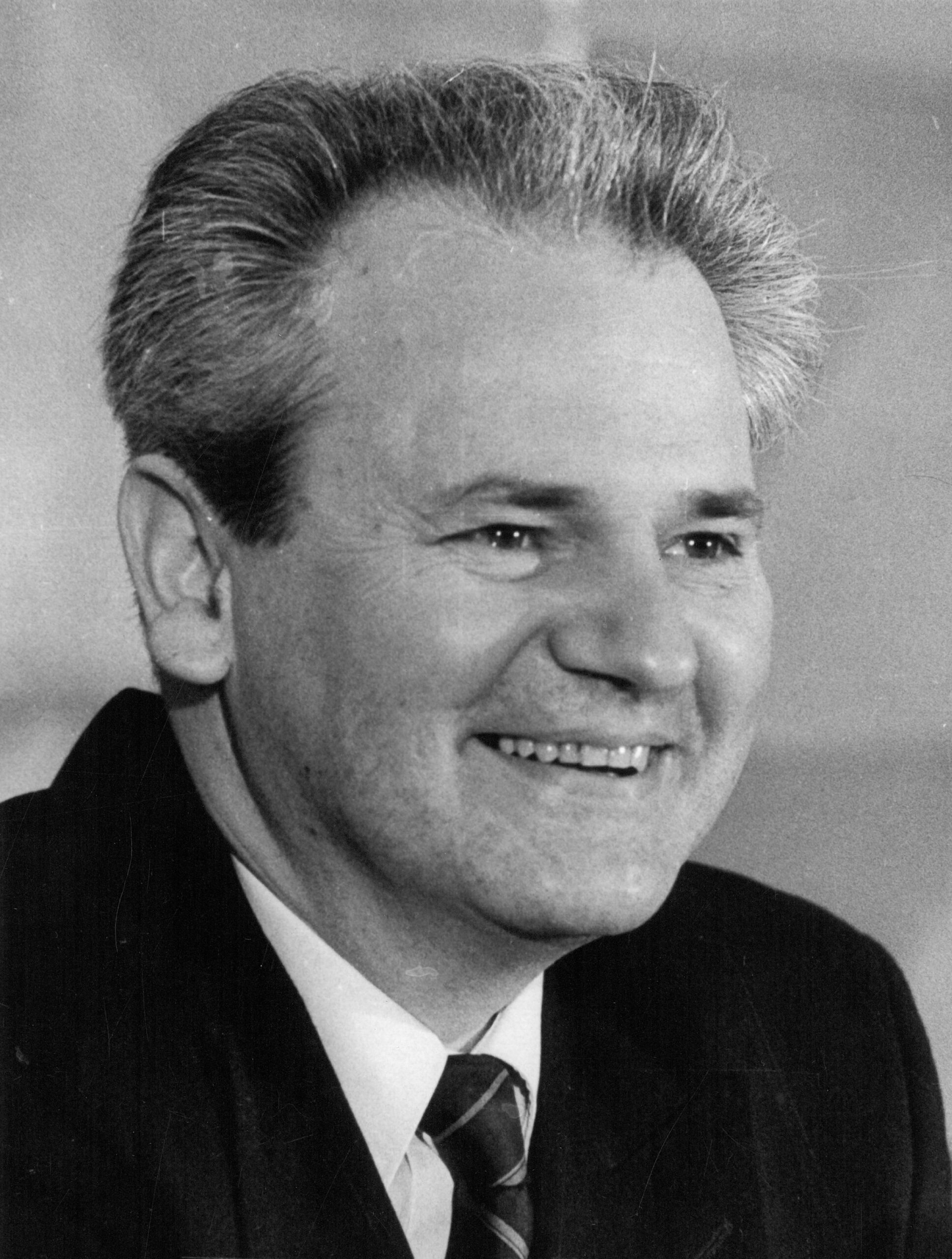
Slobodan Milosevic is a figure whose name is indelibly linked to the tumultuous history of the Balkans in the late 20th century. Known for his rise to power during the disintegration of Yugoslavia, Milosevic played a central role in the wars and conflicts that ravaged the region. This article explores the life of Slobodan Milosevic, providing detailed insights into his early life, rise to fame, political career, and the significant events that define his legacy. It also delves into the historical context of his actions, his impact on the Balkans, and the controversies surrounding his leadership.
Early Life and Background
Slobodan Milosevic was born on August 20, 1941, in the town of Pozarevac, located in the Republic of Serbia. His early life was marked by a series of personal tragedies that would later cast a shadow over his character and leadership style. Milosevic’s father, an Orthodox priest, committed suicide while Slobodan was still a student. A similar fate befell his mother and maternal uncle, both of whom also took their own lives. These traumatic events profoundly affected Milosevic, contributing to the stoic and unyielding persona he would later project as a political leader.
Milosevic pursued higher education in law, graduating from the University of Belgrade in 1964. His education in the capital of what was then Yugoslavia exposed him to the complexities of the region’s ethnic and political landscape. It was during his university years that Milosevic became involved in the League of Communists of Yugoslavia, the political organization that dominated the country’s political scene under the leadership of Josip Broz Tito.
Early Career and Rise to Power
After completing his law degree, Milosevic embarked on a career in the administrative and financial sectors. His early roles included positions in the Tehnogas company, one of Serbia’s largest industrial enterprises, and later as the head of Beobanka, the country’s leading financial institution. These roles allowed Milosevic to gain valuable experience in management and finance, skills that would later prove essential in his political career.
Milosevic’s frequent travels, particularly to the United States, provided him with a broader perspective on global finance and economics. He used these experiences to refine his understanding of economic policy and improve his English proficiency, further enhancing his suitability for leadership roles within Yugoslavia’s complex political system.
Milosevic’s entry into politics was facilitated by his marriage to Mirjana Markovic, a prominent academic and political figure in her own right. Markovic, a professor at the University of Belgrade and a member of the Russian Academy of Social Sciences, was a significant influence on Milosevic’s political ideology. Together, they formed a powerful political partnership that would dominate Serbian and Yugoslav politics for years to come.
Political Ascent and the Presidency of Serbia
Milosevic’s political career began in earnest when he became involved in the Serbian branch of the League of Communists. His rise within the party was swift, and by the mid-1980s, he had established himself as one of the leading figures in Serbian politics. Milosevic’s political philosophy was deeply rooted in Serbian nationalism, a stance that would become increasingly evident as he gained more power.
In 1989, Milosevic orchestrated the ousting of Ivan Stambolic, his former mentor and the then-President of Serbia, allowing him to assume the presidency. This move marked the beginning of Milosevic’s dominance over Serbian politics and his broader influence within the Yugoslav federation.
Milosevic’s presidency was characterized by his promotion of Serbian nationalism and his opposition to the autonomy of Kosovo, a predominantly Albanian region within Serbia. His infamous speech at the 600th anniversary of the Battle of Kosovo in 1989 was a turning point, where he declared that “Serbia will never again be humiliated,” a statement that resonated with many Serbs but also stoked ethnic tensions across Yugoslavia.
The Disintegration of Yugoslavia and the Wars of the 1990s
The 1990s were a decade of profound upheaval in the Balkans, and Slobodan Milosevic was at the center of the region’s most significant and tragic events. The disintegration of Yugoslavia, a multi-ethnic federation held together by Tito’s authoritarian rule, led to a series of brutal conflicts as different republics sought independence.
Milosevic’s role in these conflicts was both pivotal and controversial. As Slovenia and Croatia declared independence in 1991, Milosevic’s government supported Serbian minorities in these republics who opposed secession. This support often took the form of military and logistical assistance, contributing to the outbreak of war in Croatia and later Bosnia and Herzegovina.
The war in Bosnia, in particular, was marked by some of the most horrific atrocities of the 20th century, including the genocide at Srebrenica in 1995, where more than 8,000 Bosniak men and boys were killed by Bosnian Serb forces. Milosevic’s government was accused of providing support to the Bosnian Serbs, led by Radovan Karadzic and General Ratko Mladic, both of whom were later convicted of war crimes.
Throughout the 1990s, Milosevic maintained his grip on power by manipulating nationalist sentiments and suppressing opposition within Serbia. His control over the media and state institutions allowed him to present himself as the protector of Serbian interests, both domestically and internationally.
The Kosovo Conflict and NATO Intervention
The late 1990s saw the escalation of another conflict in the Balkans, this time in Kosovo. The region, home to a majority Albanian population, had long been a source of tension within Serbia. Under Milosevic’s rule, Kosovo’s autonomy was revoked, leading to widespread unrest and the emergence of the Kosovo Liberation Army (KLA), which sought independence from Serbia.
Milosevic’s response to the KLA insurgency was harsh and uncompromising, leading to widespread allegations of human rights abuses by Serbian forces against the Albanian population. As the conflict escalated, the international community, led by NATO, intervened to stop the violence. In 1999, NATO launched an air campaign against Serbia, targeting military and strategic infrastructure in an effort to force Milosevic to withdraw his forces from Kosovo.
The NATO bombing campaign lasted 78 days and caused significant damage to Serbia’s infrastructure, as well as civilian casualties. Under increasing international pressure and facing economic collapse, Milosevic was forced to agree to a peace settlement, resulting in the withdrawal of Serbian forces from Kosovo and the establishment of a UN-administered interim government in the region.
Downfall and Arrest
The Kosovo conflict marked the beginning of the end for Slobodan Milosevic’s political career. The economic and social impact of the war, combined with growing dissatisfaction among the Serbian population, led to widespread protests and calls for his resignation. In September 2000, Milosevic ran for re-election as President of Yugoslavia but was defeated by opposition leader Vojislav Kostunica.
Refusing to concede defeat, Milosevic attempted to hold onto power through a series of legal and political maneuvers, but the pressure from both the Serbian people and the international community proved too great. On October 5, 2000, massive protests in Belgrade forced Milosevic to step down, marking the end of his authoritarian rule.
In April 2001, Milosevic was arrested by Serbian authorities on charges of corruption and abuse of power. However, these charges were soon overshadowed by an indictment from the International Criminal Tribunal for the Former Yugoslavia (ICTY) in The Hague, which charged Milosevic with war crimes, crimes against humanity, and genocide related to the conflicts in Croatia, Bosnia, and Kosovo.
Trial and Death
Slobodan Milosevic’s trial at The Hague began in February 2002 and was one of the most significant war crimes trials of the 21st century. The trial was expected to bring justice to the victims of the Balkan wars and hold Milosevic accountable for his actions. However, the proceedings were lengthy and fraught with complications, including Milosevic’s refusal to recognize the legitimacy of the court and his decision to represent himself.
Milosevic’s health deteriorated over the course of the trial, and on March 11, 2006, he was found dead in his cell in the UN Detention Unit in Scheveningen, Netherlands. An autopsy revealed that he had died of a heart attack. His death occurred before the trial could reach a verdict, leaving many questions about his culpability unanswered.
Milosevic’s death sparked controversy and conspiracy theories, with some supporters claiming he had been poisoned, while others argued that his death was the result of inadequate medical care. The ICTY, however, concluded that Milosevic had died of natural causes.
Historical Context and Legacy
Slobodan Milosevic’s legacy is one of deep division. To some, he is seen as a defender of Serbian nationalism and a leader who stood up against Western intervention in the Balkans. To others, he is remembered as a war criminal whose actions led to the deaths of hundreds of thousands and the displacement of millions.
The wars in the former Yugoslavia, particularly in Bosnia and Kosovo, have left lasting scars on the region. The ethnic tensions and political divisions that Milosevic exploited for his own gain continue to affect the Balkans today. The international community’s response to the conflicts, including the NATO intervention in Kosovo, set important precedents for future humanitarian interventions but also sparked debates about the legality and morality of such actions.
Milosevic’s trial at The Hague, despite ending without a verdict, was a landmark moment in international justice. It demonstrated the international community’s commitment to holding leaders accountable for war crimes and crimes against humanity, even if the process was imperfect.
Conclusion: Slobodan Milosevic’s Place in History
Slobodan Milosevic’s life and career offer a stark reminder of the dangers of nationalism and authoritarianism. His rise to power and the conflicts he helped instigate resulted in immense human suffering and left a legacy of division and destruction in the Balkans. While his death in prison prevented a final judgment on his actions, the impact of his policies and decisions is still felt today.
Milosevic’s story is also a cautionary tale about the complexities of international politics and the challenges of achieving justice in the aftermath of conflict. His ability to manipulate nationalist sentiments and maintain power for so long underscores the importance of vigilance in defending democratic institutions and human rights.
As we reflect on the life of Slobodan Milosevic, we are reminded of the profound consequences of political leadership and the enduring impact of decisions made in the pursuit of power. His legacy is one that continues to shape the history of the Balkans and serves as a critical lesson for the future.


