
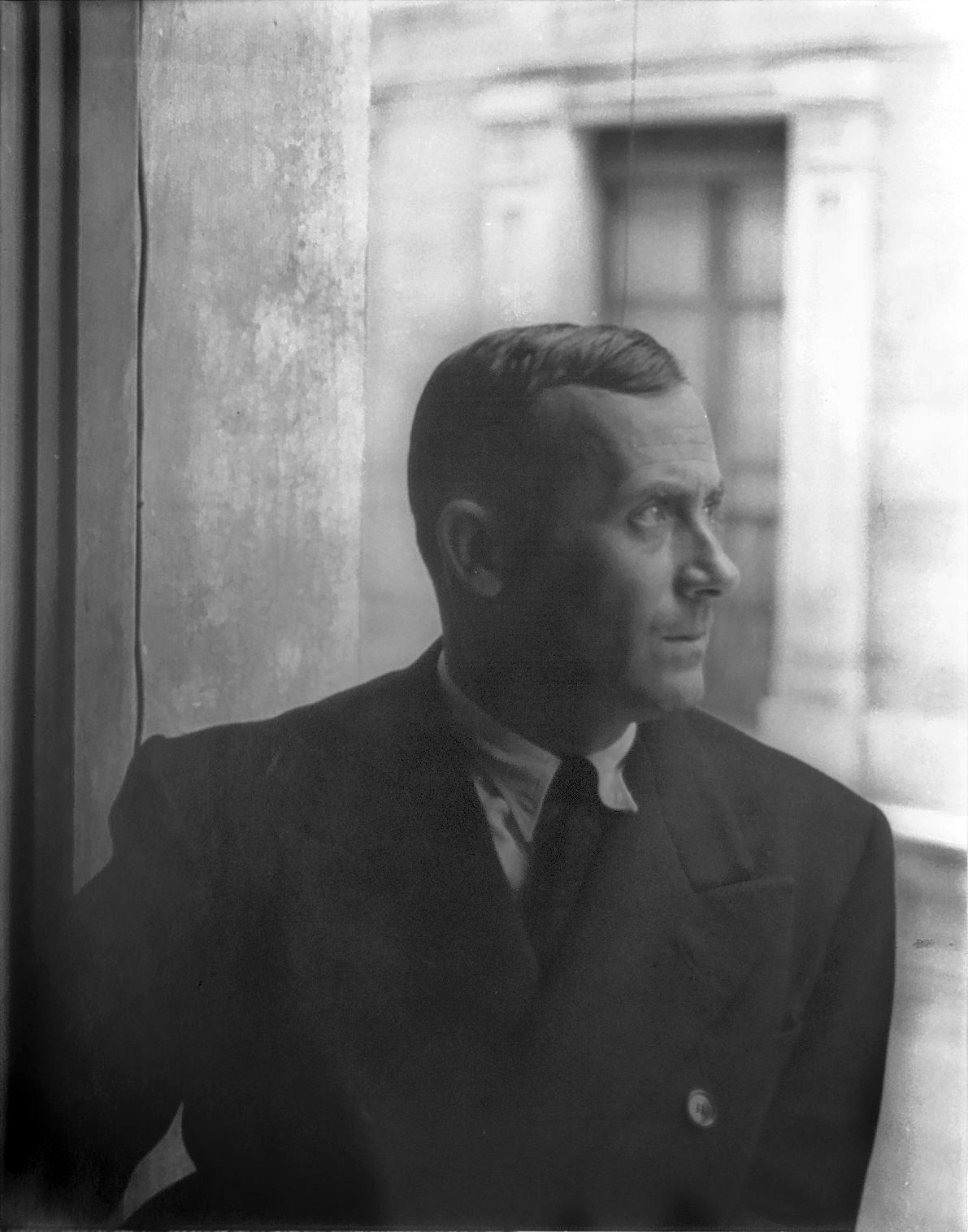
Joan Miró, a titan in the world of modern art, is celebrated for his avant-garde approach that spanned various artistic movements and mediums. His life and works encapsulate the spirit of the 20th century’s most transformative artistic developments. This article delves into the life of Joan Miró, providing an in-depth exploration of his age, rise to fame, and the significant milestones that define his legacy. We will also explore the historical context of his work, his influence on modern art, and his enduring impact on the global art community.
Early Life and Background
Joan Miró i Ferrà was born on April 20, 1893, in Barcelona, Spain, into a family with deep roots in craftsmanship—his father was a watchmaker, and his mother came from a family of cabinetmakers from Majorca. This environment fostered Miró’s early interest in art, and he began drawing at the tender age of eight. Despite his evident passion for the arts, his father steered him towards a more practical career, and Miró reluctantly trained as an accountant.
However, Miró’s heart was not in numbers, and his true calling soon made itself clear. After a bout of typhoid fever, which left him bedridden and introspective, Miró made a pivotal decision to abandon the world of commerce and devote himself entirely to art. His recuperation period at the family’s farmhouse in Montroig, a rural area that would heavily influence his work, marked the beginning of his journey as an artist.
Artistic Training and Early Influences
In 1912, Miró enrolled in the School of Fine Arts in Barcelona, directed by Francisco Galí. Here, he was exposed to the Fauvist movement, which emphasized the use of vibrant, non-naturalistic colors, a departure from traditional tonal painting. This exposure profoundly influenced Miró’s early works, which were characterized by vivid, expressive colors and a focus on emotional resonance rather than realistic representation.
Miró’s first solo exhibition was held in 1918 at the Galeries Dalmau in Barcelona. Although his early work did not achieve immediate commercial success, it laid the groundwork for his future endeavors. His early paintings often depicted the landscapes of Montroig, reflecting his deep connection to the Catalonian countryside, which would remain a central theme throughout his career.
Move to Paris and Surrealism
In 1920, Joan Miró moved to Paris, where he became part of the Montmartre artistic community. This period was crucial in Miró’s development as he immersed himself in the vibrant avant-garde scene, interacting with artists such as Pablo Picasso and the Dadaist Tristan Tzara. It was in Paris that Miró’s work began to evolve towards Surrealism, a movement that would profoundly shape his artistic vision.
Miró’s encounter with Surrealism, particularly through figures like André Breton and Pierre Reverdy, led him to explore the subconscious mind as a source of artistic inspiration. His work began to incorporate dreamlike imagery, abstract forms, and a departure from conventional perspective, a style that came to be known as “automatic drawing.” This method allowed Miró to express his inner thoughts and emotions directly onto the canvas, creating a unique visual language that defied traditional artistic conventions.
One of Miró’s early Surrealist works, “The Tilled Field” (1923-1924), created in Montroig, is a prime example of his evolving style. The painting combines elements of the natural world with fantastical, symbolic imagery, a hallmark of his later work. Miró’s connection to nature, particularly the landscapes of Montroig, remained a consistent theme throughout his career, reflecting his belief in the importance of the natural world as a source of inspiration.
Breakthrough and International Fame
Miró’s breakthrough came with his 1925 exhibition at the Galerie Pierre in Paris, which established him as a leading figure in the Surrealist movement. His work during this period was characterized by a playful, almost childlike simplicity, combined with an intense exploration of color, form, and space. Paintings such as “Harlequin’s Carnival” (1924-1925) exemplify his ability to blend whimsy with profound emotional depth, creating works that are both visually striking and rich in meaning.
In 1926, Miró collaborated with Surrealist artist Max Ernst on the set design for Sergei Diaghilev’s ballet “Romeo and Juliet,” further solidifying his reputation as an innovative and versatile artist. This period also saw Miró experiment with various mediums, including sculpture, lithography, and ceramics, expanding his artistic repertoire and pushing the boundaries of traditional art forms.
By the late 1920s, Joan Miró had achieved international recognition, with his works being exhibited in major galleries and museums across Europe and the United States. His style continued to evolve, moving away from the more formal aspects of Surrealism towards a more abstract, symbolic language. This evolution was partly influenced by his interest in “primitive” art, which he saw as a purer, more direct form of expression.
The Impact of the Spanish Civil War
The outbreak of the Spanish Civil War in 1936 had a profound impact on Miró, both personally and artistically. Although he was living in Paris at the time, the conflict in his homeland weighed heavily on him, and his work began to reflect the turmoil and suffering of the period. In 1937, Miró created a large mural titled “The Reaper” for the Spanish Pavilion at the Paris International Exhibition. The mural, which depicted a Catalan peasant with a sickle raised in defiance, was a powerful statement of resistance against the fascist forces in Spain.
During this period, Miró’s work took on a darker, more somber tone, with imagery that reflected the violence and chaos of the war. His paintings from this time, such as “Still Life with Old Shoe” (1937), are often seen as a commentary on the destruction and despair wrought by the conflict. Despite the challenges, Miró continued to create, using his art as a means of expressing his deep sense of loss and longing for peace.
Post-War Years and Continued Innovation
After the end of World War II, Miró returned to Spain, where he divided his time between Barcelona and Majorca. The post-war years marked a period of renewed experimentation for Miró, as he continued to push the boundaries of artistic expression. His work became increasingly abstract, with a focus on pure color, form, and texture. This shift towards abstraction was influenced by his exposure to American Abstract Expressionism, which emphasized the emotional power of color and gesture.
In 1954, Miró won the Grand Prize for Graphic Work at the Venice Biennale, further cementing his status as one of the most important artists of his time. The following year, he was awarded the Guggenheim International Award, recognizing his contributions to modern art. These accolades reflected the growing appreciation for Miró’s work, both in Europe and the United States.
One of the most significant developments in Miró’s later career was his increasing interest in public art and large-scale installations. In the 1960s and 1970s, he created several monumental works, including the ceramic murals for the UNESCO headquarters in Paris (“The Wall of the Moon” and “The Wall of the Sun”) and the “Woman and Bird” sculpture in Barcelona. These works demonstrated Miró’s ability to translate his unique artistic vision into a variety of mediums, making his work accessible to a broader audience.
The Joan Miró Foundation and Legacy
In 1972, Joan Miró established the Joan Miró Foundation in Barcelona, a museum and research center dedicated to the preservation and promotion of his work. The foundation houses an extensive collection of Miró’s paintings, sculptures, drawings, and prints, as well as a library and archive of his personal papers. The Joan Miró Foundation has become one of the most important cultural institutions in Spain, attracting visitors from around the world.
In the final years of his life, Miró continued to experiment with new forms and techniques, including the creation of “gaseous sculptures” and “four-dimensional paintings.” These late works reflect his enduring commitment to innovation and his belief in the limitless possibilities of artistic expression.
Joan Miró passed away on December 25, 1983, in Palma de Mallorca, at the age of 90. His death marked the end of an extraordinary career that spanned more than six decades, but his influence on the world of art remains profound. Today, Miró is remembered not only as one of the greatest artists of the 20th century but also as a visionary who transformed the way we think about art and its role in society.
Historical Context and Nuances
To fully appreciate Joan Miró’s contributions to art, it is essential to understand the historical context in which he lived and worked. The early 20th century was a period of rapid change and upheaval, marked by the rise of modernism, the impact of two world wars, and the social and political transformations that followed. Miró’s work reflects the tensions and contradictions of this era, as well as his own personal struggles and aspirations.
Miró’s art is often described as “childlike” or “playful,” but these descriptions can be misleading. Beneath the whimsical surface of his work lies a deep engagement with the social and political issues of his time. Whether through his Surrealist explorations of the subconscious or his later abstract compositions, Miró sought to challenge conventional ways of seeing and understanding the world.
Moreover, Miró’s commitment to his Catalan identity and his deep connection to the landscapes of his homeland played a crucial role in shaping his artistic vision. His work can be seen as a dialogue between the local and the universal, reflecting his belief in the power of art to transcend cultural and linguistic boundaries.
Conclusion: Joan Miró’s Enduring Influence
Joan Miró’s life and work continue to inspire artists and audiences around the world. His innovative approach to art, characterized by a relentless pursuit of new forms and ideas, has left an indelible mark on the history of modern art. Miró’s legacy is evident not only in the works he created but also in the ways he expanded the possibilities of artistic expression, challenging us to see the world in new and imaginative ways.
As we reflect on the life of Joan Miró, we are reminded of the importance of creativity, curiosity, and the courage to defy convention. Miró’s work is a testament to the power of art to transform our perceptions and to connect us to the deeper truths of our existence. His influence will continue to be felt for generations to come, as new audiences discover the joy, wonder, and profound beauty of his art.


