
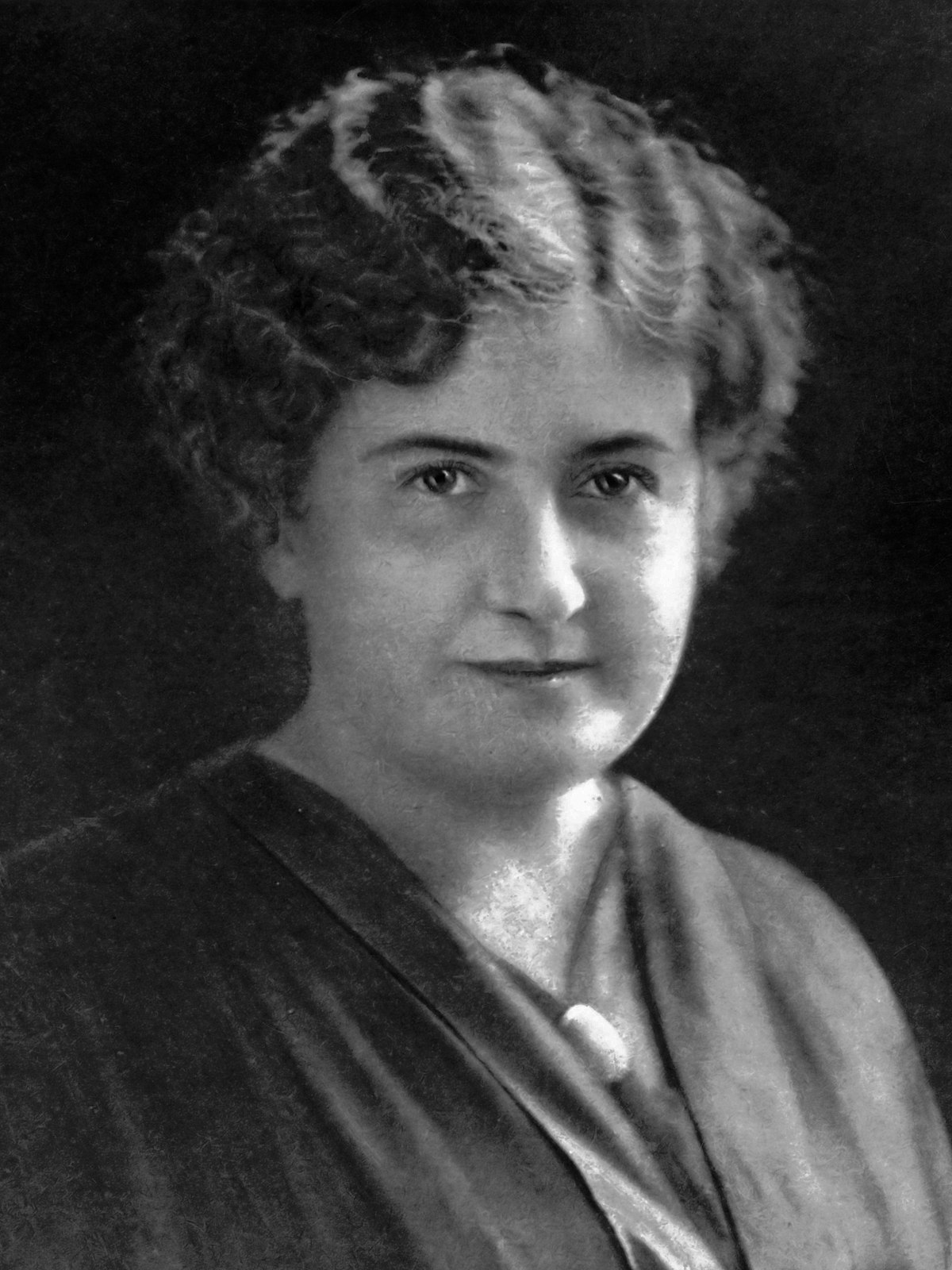
Maria Montessori, born on August 31, 1870, in Chiaravalle, Italy, is one of the most influential figures in the history of education. Her innovative methods have shaped the way children are taught around the world, and her legacy continues to thrive in the thousands of Montessori schools across the globe. This comprehensive exploration of Montessori’s life, achievements, and impact delves into the nuances of her work, her struggles as a woman in a male-dominated field, and the enduring significance of her educational philosophy.
Early Life and Education: Defying Societal Expectations
Maria Montessori was born into a middle-class family at a time when women were expected to conform to traditional roles, primarily as homemakers. However, from an early age, Montessori exhibited a strong will and a passion for learning that set her apart from her peers. Her early education took place in Rome, where her family moved when she was young. Despite societal norms that discouraged women from pursuing higher education, Montessori was determined to break the mold.
Initially, Montessori aspired to become an engineer, a career almost entirely closed to women at the time. However, her interests soon shifted toward medicine, a field that was equally, if not more, challenging for a woman to enter in the late 19th century. Montessori’s parents were not supportive of her ambitions, preferring that she pursue a more conventional path. Yet, her determination won out, and in 1890, she enrolled at the University of Rome, initially studying physics, mathematics, and natural sciences.
Montessori’s journey in the male-dominated world of academia was anything but easy. She faced ridicule and discrimination from her male peers and professors, many of whom were uncomfortable with the presence of a woman in their midst. Nevertheless, Montessori persevered, and in 1896, she graduated with a degree in medicine, becoming one of the first female doctors in Italy. This achievement was not only a personal victory for Montessori but also a significant milestone in the struggle for gender equality in education and professional fields.
Pioneering Work with Disabled Children
After obtaining her medical degree, Montessori began working at the University of Rome’s psychiatric clinic. It was here that she first encountered children with mental disabilities, who were often housed in appalling conditions alongside adult psychiatric patients. The prevailing approach to these children was one of neglect, with little effort made to understand or address their unique needs.
Montessori was deeply moved by the plight of these children and began to develop an interest in educational methods that could help them. Her work led her to study the writings of French doctors Jean-Marc-Gaspard Itard and Édouard Séguin, who had developed methods for teaching children with developmental disabilities. Inspired by their work, Montessori began to experiment with her own educational materials and techniques.
Montessori’s approach was revolutionary. Rather than focusing on rote memorization and rigid discipline, she emphasized the importance of sensory experiences and hands-on learning. She believed that children learn best when they are allowed to explore and manipulate their environment. This was a radical departure from the traditional educational methods of the time, which were largely based on passive learning and strict teacher control.
Montessori’s methods produced remarkable results. Under her guidance, children who had previously been dismissed as unteachable began to show significant improvements in their cognitive and social skills. In some cases, these children even outperformed their “normal” peers on standardized tests. This success convinced Montessori that her methods could be beneficial for all children, not just those with disabilities.
The Montessori Method: A Revolutionary Approach to Education
In 1907, Maria Montessori was given the opportunity to apply her methods to a broader population of children. She was invited to open a childcare center in the San Lorenzo district of Rome, a poor neighborhood plagued by overcrowding and poverty. The center, known as the “Casa dei Bambini” or “Children’s House,” was designed to provide education and care for the children of working-class families.
The Casa dei Bambini became the laboratory for what would become known as the Montessori Method. Montessori’s approach was based on the principle that children are naturally curious and have an innate desire to learn. She believed that education should be child-centered, with the teacher serving as a guide rather than a dictator. Montessori classrooms were designed to encourage independence and self-directed learning, with children allowed to choose their activities and work at their own pace.
The Montessori Method also emphasized the importance of the prepared environment. Montessori believed that the classroom should be a space that encourages exploration and creativity. She designed a range of educational materials that were carefully crafted to meet the developmental needs of children. These materials were self-correcting, meaning that children could learn from their mistakes without needing constant adult intervention.
One of the key concepts of the Montessori Method is the idea of “sensitive periods” in a child’s development. Montessori observed that children go through specific stages where they are particularly receptive to learning certain skills, such as language, order, or sensory refinement. The Montessori classroom is designed to take advantage of these sensitive periods, providing children with the resources and opportunities they need to develop these skills naturally.
The success of the Casa dei Bambini attracted attention from educators and reformers around the world. Montessori’s methods were seen as a breakthrough in early childhood education, and the Montessori Movement began to spread internationally. In 1909, Montessori published her first book, “Il Metodo della Pedagogia Scientifica applicato all’educazione infantile nelle Case dei Bambini” (The Method of Scientific Pedagogy Applied to the Education of Children in the Children’s Houses). The book was translated into multiple languages, bringing Montessori’s ideas to a global audience.
Montessori’s Impact on Global Education
As the Montessori Method gained recognition, Maria Montessori became an international figure. She traveled extensively, lecturing and training teachers in her methods. By the 1920s, Montessori schools had been established in countries across Europe, North America, and Asia. Her work was particularly influential in the United States, where educators such as Alexander Graham Bell and Margaret Wilson, the daughter of President Woodrow Wilson, became advocates for the Montessori Method.
Despite its widespread success, the Montessori Movement faced challenges, particularly in Montessori’s home country of Italy. The rise of fascism under Benito Mussolini brought about a period of political and social upheaval, which had a direct impact on Montessori’s work. Initially, Montessori cooperated with the fascist regime, which sought to use her methods to promote its educational agenda. However, Montessori’s emphasis on freedom and individualism was fundamentally at odds with the authoritarian nature of fascism, and the relationship soon soured.
In 1934, Montessori left Italy in protest against the fascist government’s attempts to control her work. She spent the next several years living and working in various countries, including Spain, the Netherlands, and India. During World War II, Montessori remained in India, where she continued to develop her educational methods and trained hundreds of teachers. Her time in India also deepened her interest in issues of peace and social justice, themes that would become increasingly important in her later work.
Later Years and Legacy
Maria Montessori returned to Europe after the war, but she never returned to live permanently in Italy. Instead, she settled in the Netherlands, where she continued to work and teach until her death in 1952. In her later years, Montessori’s focus shifted increasingly towards the idea of education as a tool for peace. She believed that by nurturing the innate potential of each child, educators could help create a more just and peaceful world.
Montessori’s legacy is profound and far-reaching. Today, there are thousands of Montessori schools in countries all over the world, from the United States to China, from South Africa to Australia. These schools continue to embody the principles that Montessori developed over a century ago: respect for the child, the importance of a prepared environment, and the belief in education as a means of social reform.
In addition to her influence on education, Montessori has also been recognized for her contributions to other fields, including psychology, philosophy, and feminism. Her work has inspired generations of educators, parents, and activists, who continue to find relevance and inspiration in her ideas.
Montessori’s face appeared on the Italian 1,000 lire banknote in the 1990s, symbolizing her status as one of Italy’s most revered figures. The Montessori Method is still widely used and respected, proving the enduring power of her vision.
Conclusion: Maria Montessori’s Enduring Influence
Maria Montessori was more than an educator; she was a visionary who transformed the way we think about children and their potential. Her methods, rooted in careful observation and a deep respect for the individual child, challenged the conventional wisdom of her time and laid the foundation for a more humane and effective approach to education.
Montessori’s life was marked by courage and determination. She defied the expectations of her era, becoming one of the first female doctors in Italy and a pioneering advocate for children’s rights. Her work continues to resonate today, not just in the classrooms that bear her name, but in the broader movement for educational reform and social justice.
As we look to the future, Montessori’s ideas remain as relevant as ever. In a world that is increasingly focused on standardized testing and rigid curriculums, the Montessori Method offers a refreshing alternative that values creativity, independence, and a lifelong love of learning. Maria Montessori’s legacy is a testament to the power of education to change lives, and her influence will continue to be felt for generations to come.


