
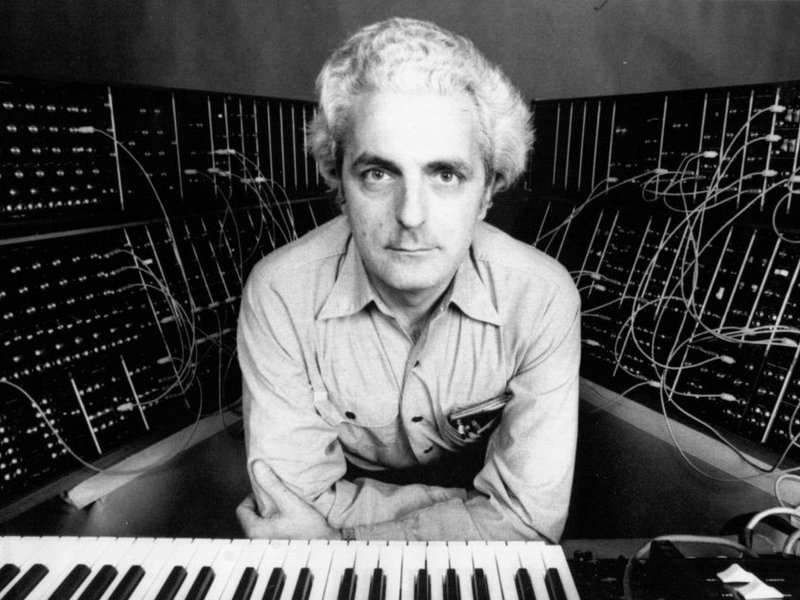
Robert Moog is a name that resonates profoundly in the world of electronic music. His innovations have left an indelible mark on music history, shaping the sounds and styles of countless genres. Known primarily as the father of the modern synthesizer, Moog’s contributions extend far beyond mere invention. This article delves into the life, achievements, and lasting legacy of Robert Moog, offering detailed insights into his work and exploring the nuances and historical context that made his inventions so revolutionary.
Early Life and Education
Robert Arthur Moog was born on May 23, 1934, in New York City. From a young age, Moog displayed a keen interest in electronics and music, a combination that would eventually define his life’s work. His father, an engineer, often encouraged him to tinker with electronics, which cultivated a passion that led Moog to pursue a degree in electrical engineering at Columbia University. It was here that Moog began to explore the potential of combining music and technology.
The Birth of the Moog Synthesizer
In the early 1960s, Moog started to experiment with electronic instruments, drawing inspiration from the theremin, an early electronic instrument invented in 1919 by Russian physicist Lev Sergeevich Termen (commonly known as Leon Theremin). Moog’s fascination with the theremin led him to create a more versatile and user-friendly electronic instrument. By 1963, he had developed the first version of the Moog synthesizer, which was a groundbreaking achievement in the world of music.
The Moog synthesizer was a keyboard-based instrument that allowed musicians to generate and manipulate sound electronically. It was revolutionary because it enabled musicians to create entirely new sounds that were previously unimaginable. The synthesizer’s design was based on modular components, allowing musicians to customize their instruments to produce a vast array of sounds. This innovation opened up new creative possibilities for composers and performers alike.
Rise to Fame and Industry Impact
The Moog synthesizer quickly gained popularity among musicians and composers, particularly in the burgeoning world of electronic music. By the late 1960s, the Moog synthesizer had become synonymous with electronic music, with many artists and bands using it to create groundbreaking works. Notable early adopters included Wendy Carlos (formerly Walter Carlos) and Herbert Deutsch, who collaborated with Moog in refining the instrument. Carlos’ 1968 album, “Switched-On Bach,” was a landmark recording that showcased the potential of the Moog synthesizer. The album, which featured Bach’s compositions performed entirely on the Moog, was a commercial and critical success, further cementing Moog’s place in music history.
As the popularity of the Moog synthesizer grew, it began to influence a wide range of musical genres, from rock to classical to pop. Bands like The Beatles, The Beach Boys, and The Monkees incorporated the Moog into their recordings, while progressive rock bands such as Emerson, Lake & Palmer and Yes made the synthesizer a central element of their sound. Keith Emerson and Rick Wakeman, in particular, became renowned for their virtuosic performances on the Moog synthesizer, demonstrating its capabilities as a powerful and expressive musical instrument.
The Minimoog: A Game-Changer
In 1970, Moog introduced the Minimoog, a more compact and portable version of the original synthesizer. The Minimoog was designed to be more accessible to musicians, offering a simplified interface without sacrificing the rich, warm sounds that had made the original Moog famous. The Minimoog quickly became a staple in studios and on stages around the world, and its influence can be heard in countless recordings from the 1970s onward.
The Minimoog was particularly popular in the world of funk, soul, and disco, where its distinctive bass sounds became a defining feature of the genres. Artists like Stevie Wonder, Parliament-Funkadelic, and Kraftwerk were among the many who embraced the Minimoog, using it to push the boundaries of popular music. The instrument’s versatility and ease of use made it a favorite among musicians, and it remains an iconic piece of musical equipment to this day.
Legacy and Influence
Robert Moog’s contributions to music extend far beyond the invention of the synthesizer. His work helped to democratize music production, making it possible for musicians to experiment with sound in ways that were previously limited to large studios with expensive equipment. Moog’s synthesizers paved the way for the development of digital synthesizers and electronic music production tools, which are now essential components of modern music.
Moog’s impact on music was recognized not only by musicians but also by the broader cultural and technological communities. In 2002, he was awarded a Grammy Trustees Award for his lifetime achievements, and in 2013, he was posthumously inducted into the National Inventors Hall of Fame. Moog’s legacy is also celebrated through events like Moogfest, an annual festival that honors his contributions to music and technology.
Personal Life and Final Years
Despite his fame and success, Robert Moog remained humble and dedicated to his work. He continued to innovate throughout his life, exploring new ways to combine music and technology. Moog was also known for his generosity and willingness to share his knowledge with others, mentoring many young engineers and musicians who would go on to make their own contributions to the field.
Robert Moog passed away on August 21, 2005, in Asheville, North Carolina, after a battle with brain cancer. He was 71 years old. His death was a significant loss to the music and technology communities, but his legacy lives on through the countless musicians and engineers who continue to be inspired by his work.
In 2009, a tribute album titled “Switched-On Bob” was released, featuring contributions from 20 artists from around the world, all of whom recognized the importance of Moog’s inventions in shaping the sound of modern music. This album was a testament to the lasting impact of Moog’s work and a celebration of his life and achievements.
Historical Context and Nuances
To fully appreciate Robert Moog’s contributions, it’s important to consider the historical context in which he worked. The 1960s and 1970s were a period of rapid technological advancement and cultural change, and Moog’s inventions were at the forefront of this transformation. The rise of electronic music coincided with the broader countercultural movement, which embraced new forms of expression and experimentation. Moog’s synthesizers provided the perfect tool for artists who were looking to break free from traditional musical constraints and explore new sonic territories.
Moog’s work also reflects a broader trend in 20th-century music towards the integration of technology and art. His synthesizers were not just tools for making music; they were instruments that allowed musicians to think about sound in new ways. Moog’s inventions helped to blur the lines between different musical genres, enabling artists to create music that was both innovative and accessible.
Conclusion
Robert Moog’s life and work are a testament to the power of innovation and creativity. His synthesizers revolutionized the way music is made and heard, and his legacy continues to inspire musicians and engineers around the world. From his early experiments with the theremin to the development of the iconic Minimoog, Moog’s contributions to music are immeasurable. As we continue to explore the possibilities of electronic music, we can look back on Moog’s work as a foundation upon which much of modern music is built.
The story of Robert Moog is not just the story of a brilliant inventor; it is the story of how one man’s vision transformed an entire industry and changed the course of music history. His life reminds us of the importance of pursuing our passions, pushing the boundaries of what is possible, and always striving for innovation.


