
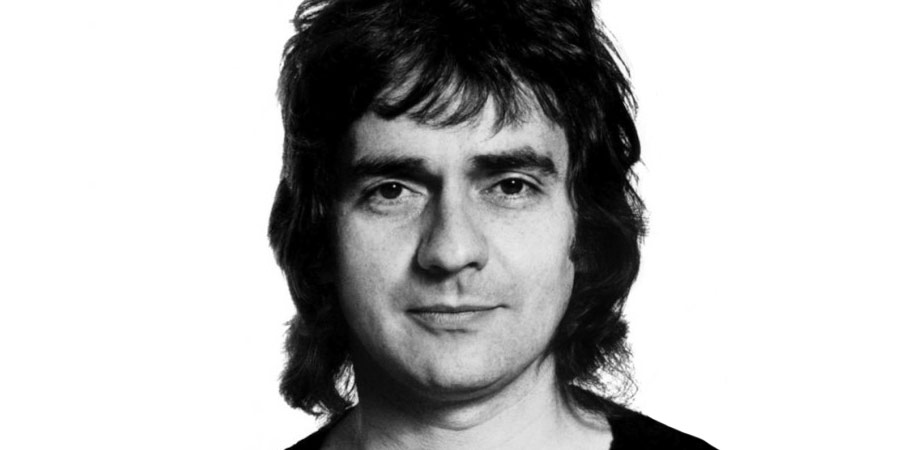
Dudley Moore was one of the most versatile artists to grace the world of cinema, known not only as an actor and screenwriter but also as a talented musician, composer, and comedian. Born on April 19, 1935, in Dagenham, a working-class neighborhood on the outskirts of London, Moore’s journey to stardom was anything but easy. From humble beginnings and a challenging childhood, Moore rose to become a beloved figure in both British and American entertainment.
Early Life and Struggles
Dudley Moore’s early life was marked by hardship. Growing up in a working-class family, he did not have the luxury of a formal education. His childhood was further complicated by a congenital foot deformity, which became a source of lifelong insecurity. His mother, struggling with her own issues, often directed her frustrations towards Moore, adding to his emotional burden. Despite these challenges, Moore displayed an insatiable appetite for knowledge, particularly in the arts. He voraciously consumed cultural materials, developing a keen intellect that would later define his work.
His stature and physical condition made him a target for bullying, but it also cultivated his sharp sense of humor. Moore used humor as both a shield and a tool, helping him cope with the difficulties of his early life. This blend of wit and resilience would become a hallmark of his career, especially as he ventured into comedy and acting.
Rise to Fame: The 1960s and Beyond
Dudley Moore’s breakthrough came in the early 1960s, a period that marked the beginning of a new era in British culture. After winning a scholarship to study music at Oxford University, Moore began to make a name for himself in the entertainment industry. His first significant role came in 1966 with the film The Wrong Box, where he starred alongside Michael Caine. This film was just the beginning of a successful career that would see Moore collaborate with some of the biggest names in the industry.
Moore’s talents were not limited to acting. He was a gifted musician and composer, skills that he brought to many of his roles. His work in the theater also garnered attention, particularly his collaboration with Alan Bennett, Jonathan Miller, and Peter Cook in the groundbreaking play Beyond the Fringe. This play, which was performed both in London and on Broadway, was a satirical exploration of British society and helped to cement Moore’s reputation as a formidable comedic talent.
It was during this time that Moore began to develop the comedic style that would make him famous. His ability to blend humor with a deep understanding of human nature made his performances both entertaining and thought-provoking. Moore was not just a comedian; he was a storyteller who could connect with audiences on multiple levels.
Hollywood Stardom: The 1970s and 1980s
The late 1970s and early 1980s marked the peak of Dudley Moore’s career. His role in Blake Edwards’ 1979 film 10 was a turning point, propelling him to international fame. In the film, Moore played a composer experiencing a mid-life crisis, a character that resonated with audiences and critics alike. His performance, coupled with the presence of co-star Bo Derek, made 10 a box office success and solidified Moore’s status as a leading man in Hollywood.
In 1981, Moore starred in Arthur, a film that would become one of his most iconic roles. Playing a lovable, yet irresponsible millionaire, Moore delivered a performance that earned him an Academy Award nomination for Best Actor. Arthur was a commercial and critical success, and Moore’s portrayal of the title character remains one of the most memorable in cinematic history. His ability to infuse the character with both humor and vulnerability made Arthur a character that audiences loved and rooted for.
However, with fame came personal challenges. Moore’s personal life was tumultuous, marked by a series of failed marriages and relationships. Despite his success on screen, Moore struggled to find happiness in his personal life. He was married four times, and each marriage ended in divorce, a reflection of the complexity and contradictions that defined him as both a person and an artist.
Musical Genius and Lesser-Known Talents
While Dudley Moore is best known for his work in film and comedy, his contributions to music are equally noteworthy. Moore was an accomplished pianist and composer, and his love for music was a constant throughout his life. He was particularly drawn to jazz, and his performances as a jazz pianist were highly regarded by both critics and fans.
Moore’s musical talents often found their way into his films. In 10, for example, his character’s profession as a composer allowed Moore to showcase his musical abilities. His performance in Foul Play (1978), where he played an eccentric conductor, was another example of how Moore seamlessly integrated his musical skills into his acting.
In addition to jazz, Moore also composed classical music and was a skilled performer in this genre as well. His passion for music was evident in everything he did, and it added a layer of depth to his performances that set him apart from other actors of his time. Moore’s ability to blend comedy, music, and drama made him a unique figure in the entertainment industry, and his work continues to be celebrated for its creativity and originality.
Decline and Final Years
The final years of Dudley Moore’s life were marked by illness and a gradual retreat from the public eye. In the late 1990s, Moore was diagnosed with Progressive Supranuclear Palsy (PSP), a rare and incurable brain disorder that affects movement and coordination. The disease took a heavy toll on Moore, both physically and mentally. His once-vibrant presence was diminished by the illness, and his health steadily declined.
Despite his struggles, Moore faced his illness with the same humor and grace that had characterized his career. In a poignant interview with the BBC, Moore spoke openly about his condition and his impending death, displaying a level of courage and honesty that deeply moved those who watched. On March 27, 2002, Dudley Moore passed away at the age of 66, leaving behind a legacy of laughter, music, and unforgettable performances.
Legacy and Influence
Dudley Moore’s impact on the world of entertainment is undeniable. He was a trailblazer who brought a unique blend of humor, music, and storytelling to his work. Moore’s ability to connect with audiences on multiple levels made him a beloved figure in both the UK and the US. His performances in films like Arthur and 10 remain iconic, and his influence can be seen in the work of many comedians and actors who followed in his footsteps.
Moore’s life was a testament to the power of resilience and creativity. Despite the challenges he faced, both personally and professionally, he continued to push boundaries and explore new artistic avenues. His work as a musician, actor, and comedian has left an indelible mark on the entertainment industry, and his legacy continues to inspire new generations of artists.
In conclusion, Dudley Moore was more than just a comedian or actor; he was a multifaceted artist whose talents spanned multiple disciplines. His ability to blend humor with music and drama made him a unique and influential figure in the world of entertainment. While his life was marked by challenges, both personal and professional, Moore’s resilience and creativity allowed him to leave behind a legacy that continues to be celebrated today. Whether through his music, his comedy, or his unforgettable performances on screen, Dudley Moore’s contributions to the arts will be remembered for years to come.


