
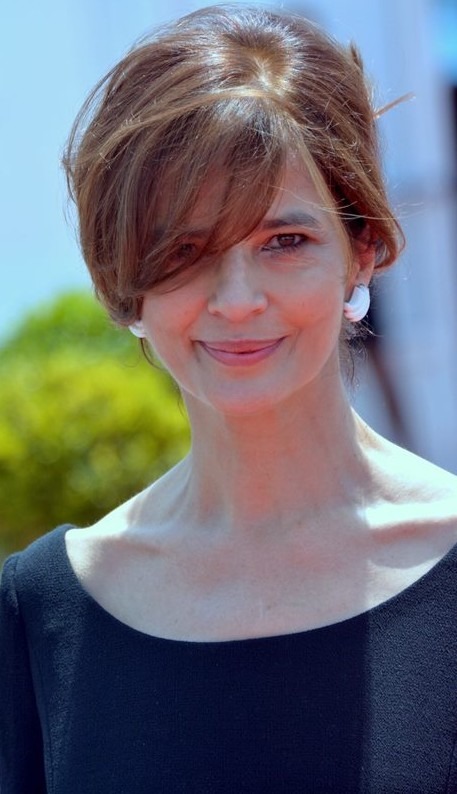
Laura Morante is one of Italy’s most celebrated actresses, known for her compelling performances, striking presence, and a career that has spanned both Italian and international cinema. Born on August 21, 1956, in Santa Fiora, a small town in the province of Grosseto, Tuscany, Laura Morante has carved out a distinguished career in film, theater, and television. Her journey from a young theater actress to a renowned figure in European cinema is marked by significant achievements, nuanced performances, and a deep commitment to her craft. This article explores Laura Morante’s life, her rise to fame, and the highlights of her illustrious career.
Early Life and Career Beginnings
Laura Morante was born into an intellectual family, which undoubtedly influenced her early life and career choices. From a young age, she was surrounded by literature, art, and culture, which fueled her passion for the performing arts. After completing her education, Morante initially pursued a career in theater, where she quickly made a name for herself with her powerful performances.
Her first major theater roles came under the direction of Carmelo Bene, a giant of Italian avant-garde theater. She appeared in productions such as Riccardo III and S.A.D.E., which showcased her talent and versatility. Working with Carmelo Bene was a formative experience for Morante, allowing her to refine her craft and gain a deeper understanding of dramatic performance. This period of her life laid the groundwork for her future success in film and television.
Breakthrough in Cinema
Laura Morante made her film debut in 1979 with Giuseppe Bertolucci’s Oggetti Smarriti (Lost Objects). This marked the beginning of a successful transition from theater to cinema. The following year, she appeared in La Tragedia di un Uomo Ridicolo (The Tragedy of a Ridiculous Man), also directed by Bertolucci. These early roles demonstrated her ability to bring depth and emotion to the screen, earning her recognition in the Italian film industry.
In 1981, Morante’s career took a significant leap forward when she starred in Nanni Moretti’s Sogni d’Oro (Sweet Dreams). In this film, she played Silvia, a character who captures the attention of both the audience and the protagonist, Michele Apicella, portrayed by Moretti himself. This role cemented her status as a rising star in Italian cinema.
Morante continued her collaboration with Moretti in Bianca (1984), where she played a complex and emotionally charged role. Her portrayal of characters who are both fragile and strong, introspective yet passionate, became a hallmark of her acting style. These performances not only showcased her talent but also established her as a muse for directors seeking to explore the intricacies of the human condition.
International Success and Versatility
By the mid-1980s, Laura Morante had established herself as one of Italy’s most sought-after actresses. However, her ambitions extended beyond the Italian film industry. Morante began to work with international directors, expanding her repertoire and gaining exposure to new cinematic styles.
In 1985, she moved to Paris, a decision that would significantly influence her career. In France, Morante worked with esteemed directors such as Alain Tanner, Pierre Granier-Deferre, and Joao Cesar Monteiro. Her fluency in French and her ability to adapt to different cultural contexts allowed her to thrive in the French film industry. She gained popularity on French television, appearing in the seven-part series directed by Paul Vecchiali, which further solidified her status as a versatile and accomplished actress.
Despite her international success, Morante maintained strong ties to Italian cinema. She worked with prominent Italian directors, including Gianni Amelio, Dino Risi, and Mario Monicelli. Her ability to move seamlessly between Italian and French cinema is a testament to her adaptability and her commitment to her craft.
Iconic Roles and Critical Acclaim
Throughout the 1990s and early 2000s, Laura Morante continued to deliver powerful performances in a variety of roles. She demonstrated her ability to tackle both dramatic and comedic characters, further expanding her range as an actress.
In 1990, Morante starred in Gabriele Salvatores’ Turnè, where she played Vittoria, a radio host entangled in a love triangle with two friends, portrayed by Fabrizio Bentivoglio and Diego Abatantuono. The film was well-received, and Morante’s performance was praised for its authenticity and emotional depth.
One of her most significant roles during this period was in Gianni Amelio’s I Ragazzi di Via Panisperna (The Boys of Via Panisperna, 1988), where she portrayed the complex emotions and struggles of a woman involved in a scientific community during the 1930s. This role further showcased her ability to embody characters with psychological complexity and historical significance.
In the late 1990s, Morante continued to explore diverse roles. In Lo Sguardo dell’Altro (The Other’s Gaze, 1998), directed by Vicente Aranda, she played a sociologist obsessed with sexuality, a role that required her to delve into darker and more challenging material. Her ability to portray such intense and controversial characters demonstrated her fearless approach to acting.
Continued Success and Recognition
The 2000s brought Laura Morante even greater success and recognition. She appeared in several critically acclaimed films, cementing her reputation as one of Europe’s leading actresses. In 2001, she starred in Nanni Moretti’s La Stanza del Figlio (The Son’s Room), a film that won the Palme d’Or at the Cannes Film Festival. Morante’s portrayal of a grieving mother was widely praised for its emotional authenticity and depth.
Another standout performance came in Ricordati di Me (Remember Me, 2003), directed by Gabriele Muccino. In this film, Morante played Giulia, a woman struggling with the complexities of family life and her own unfulfilled dreams. Her performance resonated with audiences and critics alike, earning her further acclaim.
Morante also continued to explore international projects. In 2004, she appeared in the French film L’Empire des Loups (Empire of the Wolves), directed by Chris Nahon, and in 2006, she worked with Alain Resnais on Coeurs (Hearts), showcasing her continued relevance and versatility in European cinema.
Transition to Directing and Later Career
In 2012, Laura Morante took a significant step in her career by making her directorial debut with Ciliegine (Cherry on the Cake), a Franco-Italian romantic comedy. The film was well-received, with critics praising Morante’s ability to blend humor and emotional depth. Her transition from acting to directing demonstrated her multifaceted talent and her desire to explore new creative avenues.
Throughout the 2010s and into the 2020s, Morante continued to work on a variety of film and television projects. In 2018, the Centro Sperimentale di Cinematografia, in co-edition with Edizioni Sabinae, published a monographic volume titled Laura Morante, in punta di piedi (Laura Morante, on Tiptoes), edited by Stefano Iachetti. This publication celebrated her contributions to cinema and highlighted her impact on the film industry.
Morante’s career has been marked by her ability to evolve with the times, taking on new challenges and continuing to deliver performances that resonate with audiences. In 2024, she took on the role of Alda Merini, the famous Italian poet, in the biographical film Folle d’Amore-Alda Merini, directed by Roberto Faenza. This role is a testament to Morante’s continued relevance and her ability to bring complex, real-life figures to life on screen.
Legacy and Impact on Cinema
Laura Morante’s legacy in European cinema is undeniable. With a career spanning over four decades, she has consistently delivered performances that captivate and inspire. Her ability to convey a wide range of emotions, from deep sorrow to lighthearted humor, has made her one of the most respected actresses in Italy and beyond.
Morante’s work has not only entertained audiences but also contributed to the cultural landscape of European cinema. Her collaborations with some of the most renowned directors have resulted in films that are considered classics of modern Italian and French cinema. Her influence extends beyond acting; as a director, she has shown that she can craft compelling narratives with the same skill and nuance that she brings to her performances.
As she continues to work in film and television, Laura Morante remains a significant figure in the industry, inspiring both her peers and the next generation of actors and filmmakers. Her dedication to her craft, her willingness to take on challenging roles, and her ability to remain relevant in an ever-changing industry are the hallmarks of a truly remarkable career.
Conclusion: The Enduring Appeal of Laura Morante
Laura Morante’s life and career are a testament to her talent, resilience, and passion for the arts. From her early days in theater to her emergence as a leading actress in European cinema, Morante has consistently demonstrated her ability to captivate audiences and bring depth to her roles. Her transition into directing further showcases her creative versatility and her commitment to storytelling.
In an industry where many careers are fleeting, Laura Morante has managed to remain a powerful presence for over forty years. Her performances continue to resonate, and her contributions to cinema are celebrated by critics and audiences alike. As she continues to take on new roles and challenges, Laura Morante’s legacy as one of Europe’s most distinguished actresses is secure.


