
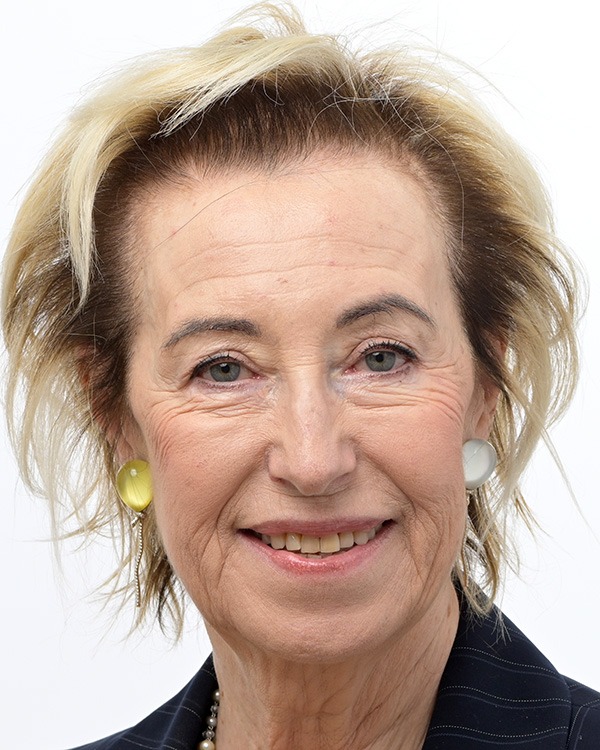
Letizia Moratti, born Letizia Brichetto Arnaboldi on November 26, 1949, in Milan, Italy, is a prominent figure in Italian politics, business, and public service. Over the decades, she has become a symbol of leadership and innovation, particularly as the first woman to serve as the President of RAI (Italy’s national public broadcasting company) and the first female mayor of Milan. Her journey from a successful businesswoman to a powerful political figure highlights her versatility, resilience, and commitment to public service. This article delves into the life, career, and legacy of Letizia Moratti, offering a detailed exploration of her contributions to Italian society and her enduring influence.
Early Life and Education
Letizia Moratti was born into a well-off and socially active Genoese family with a long-standing involvement in the insurance industry. Her family founded Italy’s first insurance brokerage firm in 1873, setting a foundation that would influence Moratti’s early career decisions. Although Moratti initially had a passion for dance, pursuing it at the Carla Strauss School in Milan, her professional path eventually diverged from the arts.
Moratti attended the Collegio delle Fanciulle in Milan, where she developed a strong academic foundation under the guidance of her grandparents and sister, Beatrice. She aspired to become an architect during her early years, but her academic journey took a different turn. In 1972, she graduated with a degree in Political Science from the University of Milan, where she worked under Professor Fausto Pocar as an assistant in European Community Law. Her academic background, coupled with her early work experience in various sectors, laid the groundwork for her future endeavors.
Early Career and Business Success
Letizia Moratti’s foray into the professional world began within her family’s insurance business. She quickly demonstrated her business acumen, rising through the ranks and gaining valuable experience in the industry. However, her entrepreneurial spirit soon led her to seek opportunities beyond the family enterprise.
In 1974, at the age of 25, Moratti founded her own insurance brokerage company, GPA (Gestione Polizze Assicurative), leveraging both her family’s legacy and her own business skills. The company quickly became a significant player in the Italian market, a testament to Moratti’s strategic vision and leadership. The same year she founded GPA, Moratti was elected President of the Italian Brokers Association, highlighting her influence in the industry.
During this period, Moratti also married Gian Marco Moratti, a member of the well-known Moratti family, who were major figures in the Italian oil industry. Gian Marco was the brother of Massimo Moratti, who would later become famous as the president of the Inter Milan football club. The union of Letizia and Gian Marco marked the coming together of two powerful Italian families, further enhancing Letizia Moratti’s status in both business and social circles.
In the 1980s and 1990s, Letizia Moratti’s business ventures continued to flourish. GPA grew to become one of the top insurance brokerage firms in Italy, second only to the global giants. In 1990, Moratti’s business acumen earned her a seat on the board of directors of the Banca Commerciale Italiana, one of the most prestigious financial institutions in the country. This appointment was a significant milestone in her career, affirming her status as one of Italy’s leading business figures.
Entry into Politics: First Female President of RAI
In 1994, Letizia Moratti’s career took a dramatic turn when she was appointed by then-Prime Minister Silvio Berlusconi as the President of RAI, Italy’s national public broadcasting company. This appointment was groundbreaking, as Moratti became the first woman to hold this position. Her tenure at RAI was marked by a strong focus on financial recovery and modernization, but it was also a period fraught with challenges, including internal conflicts and tensions with the board.
Under Moratti’s leadership, RAI sought to streamline operations and improve its economic standing, often leading to clashes with long-standing employees and executives. Despite these challenges, her time at RAI was instrumental in setting the company on a more sustainable path. However, after two years of service, Moratti left RAI, returning to the private sector, where she continued to exert significant influence.
In 1998, Moratti took on the role of President and CEO of News Corporation Europe, a subsidiary of Rupert Murdoch’s media empire. Her tenure at News Corp was brief, but it further expanded her experience in the global media landscape, adding to her already impressive resume. During this time, Moratti also became involved with San Patrignano, a community dedicated to the rehabilitation of drug addicts, where she and her husband contributed significantly to its development and success.
Minister of Education: Reforms and Controversies
Letizia Moratti returned to the political arena in 2001 when she was appointed as the Minister of Education, University, and Research in Berlusconi’s second government. This position placed her at the forefront of Italian educational policy, a role in which she was tasked with implementing significant reforms.
During her tenure, Moratti introduced two major reforms that would leave a lasting impact on the Italian education system. The first, often referred to as the “Moratti Reform,” aimed to overhaul the Italian school system by introducing changes to curricula, assessment methods, and teacher training. The second reform focused on the university system, promoting greater autonomy for universities and encouraging closer ties between higher education institutions and the business sector.
While these reforms were praised for addressing critical issues such as school dropout rates and improving the overall quality of education, they also sparked controversy. Critics argued that the reforms favored privatization and increased inequality within the education system. Nonetheless, Moratti’s efforts were recognized internationally, and in 2005, she was awarded an Honorary Doctorate in Education from John Cabot University in Rome.
Mayor of Milan: A Historic First
In 2006, Letizia Moratti made history once again when she was elected as the first female mayor of Milan, one of Italy’s most important and influential cities. Her victory was seen as a significant achievement for women in Italian politics, as Milan had long been a male-dominated political arena.
During her tenure as mayor, Moratti focused on modernizing the city’s infrastructure, improving public services, and promoting Milan as a global cultural and economic hub. One of her most notable achievements was securing Milan as the host city for the 2015 World Expo, a major international event that brought significant economic benefits to the city.
Moratti’s time as mayor was also marked by efforts to address social issues, including housing, transportation, and environmental sustainability. However, her administration faced criticism for its handling of certain projects and for perceived ties to business interests. Despite these challenges, Moratti left a lasting legacy in Milan, particularly in terms of urban development and international recognition.
In 2011, Moratti ran for re-election but was defeated by Giuliano Pisapia, a candidate backed by a center-left coalition. Following her defeat, Moratti stepped back from the political spotlight, though she remained active in various business and philanthropic endeavors.
Later Career and Return to Public Service
After her mayoral term, Letizia Moratti continued to be a prominent figure in business and public life. She served on the Advisory Board of Carlyle Group Europe and was involved in several investment ventures, particularly in the telecommunications and multimedia sectors. Her experience and connections made her a sought-after figure in international business circles.
In 2021, Moratti returned to the political scene when she was appointed as the Vice President and Health Commissioner of the Lombardy region, Italy’s wealthiest and most populous region. Her appointment came during a critical period as Lombardy was grappling with the COVID-19 pandemic. Moratti’s leadership was instrumental in the region’s response to the crisis, overseeing vaccination campaigns and healthcare initiatives.
However, her tenure in Lombardy was not without controversy. In November 2022, Moratti resigned from her position, citing a loss of confidence in the regional government’s handling of certain health policies, particularly the reintegration of non-vaccinated healthcare workers. Her resignation underscored the ongoing challenges and complexities of public health management during the pandemic.
Legacy and Influence
Letizia Moratti’s career is a testament to her versatility, resilience, and commitment to public service. As a businesswoman, she broke barriers in the male-dominated insurance industry, becoming one of Italy’s leading entrepreneurs. In politics, she shattered glass ceilings as the first woman to lead RAI and Milan, making significant contributions to education and urban development.
Moratti’s influence extends beyond her official roles. She has been a strong advocate for women’s rights, economic independence, and social responsibility, often using her platform to support causes related to education, health, and social welfare. Her involvement with San Patrignano and other philanthropic efforts reflects her deep commitment to improving society.
While her career has been marked by both successes and controversies, Moratti remains a respected and influential figure in Italy. Her ability to navigate the complexities of business and politics, while maintaining a focus on social issues, has earned her a place among Italy’s most prominent leaders.
Conclusion
Letizia Moratti’s life and career exemplify the power of perseverance, innovation, and public service. From her early days in the insurance industry to her groundbreaking roles in politics, Moratti has consistently demonstrated her ability to lead, inspire, and effect change. Her legacy as a trailblazer for women in business and politics, coupled with her contributions to education, urban development, and public health, ensures that her impact on Italian society will be felt for generations to come.
As she continues to engage in various initiatives, both in Italy and internationally, Letizia Moratti’s story serves as an inspiration to those who seek to make a difference in the world. Her journey is a reminder that with determination, vision, and a commitment to service, it is possible to break barriers and leave a lasting legacy.


