
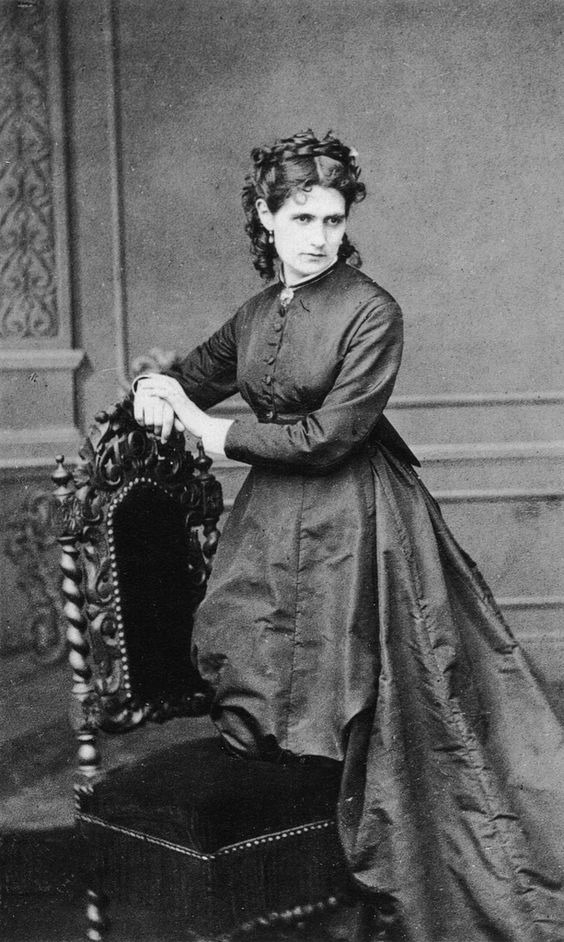
Berthe Morisot, born Berthe Marie Pauline Morisot on January 14, 1841, in Bourges, France, is one of the most influential figures in the world of Impressionism. Her journey through the art world was shaped by her upbringing in a cultured and well-off family, her exposure to prominent artistic circles, and her relentless pursuit of capturing the ephemeral beauty of everyday life. This article delves into the life, career, and legacy of Berthe Morisot, highlighting the age at which she achieved fame, her contributions to the art world, and her most significant life moments.
Early Life and Artistic Beginnings
Berthe Morisot was born into an upper-middle-class family in Bourges, France. Her father, a high-ranking government official, ensured that she and her siblings received a robust education. The family eventually settled in Passy, near Paris, in 1852, where Berthe and her sisters were tutored by the private instructor Geoffry Alphonse Chocarne. It was during this period that Berthe’s interest in art began to flourish.
Recognizing her potential, Berthe’s parents enrolled her at the École des Beaux-Arts, where she received formal training. However, it was under the mentorship of Joseph Guichard, a private art tutor, that Berthe truly honed her skills. Guichard, recognizing Berthe’s extraordinary talent, encouraged her to copy the works of old masters at the Louvre. This practice was pivotal in developing her technical proficiency and understanding of artistic composition.
The Influence of Corot and the Shift to Outdoor Painting
Berthe Morisot’s artistic direction took a significant turn when she met Jean-Baptiste-Camille Corot, a renowned landscape painter and a key figure in the Barbizon School. Corot introduced Berthe to the practice of painting en plein air, or outdoor painting, which became a hallmark of her work. Under Corot’s guidance, Berthe learned to capture the subtleties of natural light and the transient effects of the atmosphere, which would later become central themes in her paintings.
Rising Fame and the Salon Exhibitions
In 1864, at the age of 23, Berthe Morisot made her debut at the prestigious Salon, the official art exhibition of the Académie des Beaux-Arts in Paris. Her works, though initially met with mixed reviews, began to attract attention for their delicate brushwork and the innovative use of color and light. The influence of Corot was evident in these early works, leading critics to recognize her as a promising new talent in the French art scene.
The Friendship with Édouard Manet and the Birth of Impressionism
One of the most pivotal relationships in Berthe Morisot’s life was her friendship with Édouard Manet, whom she met in 1868. Manet, a leading figure in the avant-garde movement, saw in Morisot a kindred spirit. Their friendship was mutually influential, with Morisot posing for several of Manet’s most famous paintings, including The Balcony and Berthe Morisot with a Bouquet of Violets. Through Manet, Morisot was introduced to the emerging Impressionist movement, a group of artists who sought to break away from the traditional academic styles and focus on capturing the immediate impression of a scene.
Morisot quickly became an integral part of the Impressionist circle, which included artists like Claude Monet, Edgar Degas, Pierre-Auguste Renoir, and Camille Pissarro. She was the only woman to exhibit in the first Impressionist exhibition in 1874, and her work was celebrated for its subtlety, elegance, and emotional depth. Morisot’s paintings often depicted domestic scenes, women, children, and landscapes, rendered with a light, airy touch that conveyed a sense of intimacy and immediacy.
Marriage and Family Life
In 1874, Berthe Morisot married Eugène Manet, the younger brother of Édouard Manet. Their marriage was a harmonious one, with Eugène fully supporting Berthe’s artistic career. The couple had one daughter, Julie Manet, who would later become a frequent subject in her mother’s paintings. Berthe’s role as a wife and mother did not diminish her commitment to her art; instead, it provided her with new inspiration. Her paintings from this period reflect her deep affection for her family and her interest in capturing the tender moments of domestic life.
Later Career and Continued Success
Throughout the 1880s and early 1890s, Berthe Morisot continued to exhibit her work in both Impressionist exhibitions and commercial galleries. Her style evolved, becoming more fluid and expressive, with a greater emphasis on the interplay of light and color. Despite the challenges of being a female artist in a male-dominated field, Morisot earned the respect of her peers and the admiration of art critics. Her works were praised for their technical brilliance and their ability to evoke a sense of fleeting beauty.
Morisot’s paintings often focused on themes of femininity and the private sphere, exploring the lives of women and children with a sensitivity and nuance that was rare for her time. She had a unique ability to convey the inner lives of her subjects, imbuing her scenes with a quiet, reflective mood that resonated with viewers. Her use of light, in particular, was masterful, creating compositions that were both vibrant and ethereal.
The Death of Eugène Manet and Final Years
The death of Eugène Manet in 1892 marked a turning point in Berthe Morisot’s life. Devastated by the loss, she withdrew from the public eye for a time, though she continued to paint. Her later works, while still retaining the signature elements of her style, took on a more somber tone, reflecting her grief and the challenges of navigating life without her beloved husband.
Despite her personal hardships, Morisot remained dedicated to her art until her own death from pneumonia on March 2, 1895, at the age of 54. Her legacy as a pioneering female artist and a key figure in the Impressionist movement was firmly established by this time. Morisot’s works, which had once been dismissed by some as “feminine” or “minor,” were now recognized for their profound impact on the development of modern art.
Legacy and Impact on the Art World
Berthe Morisot’s contributions to the art world are undeniable. As one of the few women who gained prominence in the Impressionist movement, she broke barriers and challenged the conventions of her time. Her paintings, characterized by their delicate brushstrokes and the innovative use of light, have been celebrated for their ability to capture the fleeting moments of life with a sense of immediacy and emotion.
Morisot’s work paved the way for future generations of female artists, inspiring them to pursue their artistic visions despite societal expectations. Her focus on domestic subjects and the lives of women offered a new perspective in the art world, one that was deeply personal and reflective of her own experiences. Today, her paintings are held in major museums around the world, including the Musée d’Orsay in Paris, the National Gallery of Art in Washington, D.C., and the Metropolitan Museum of Art in New York City.
Conclusion: Berthe Morisot’s Enduring Influence
Berthe Morisot’s life and career are a testament to her resilience, creativity, and dedication to her craft. Despite the challenges she faced as a woman in the 19th-century art world, she achieved remarkable success and left an indelible mark on the history of art. Her ability to capture the subtle interplay of light and emotion in her paintings continues to captivate audiences today, and her legacy as a trailblazing female artist remains as powerful as ever.
Morisot’s work not only enriches the Impressionist canon but also offers a nuanced exploration of the human experience, particularly the experiences of women. Her paintings invite viewers to see the world through her eyes, to appreciate the beauty in the everyday, and to understand the depth of feeling that can be conveyed through art. Berthe Morisot may have lived in a time when female artists were often overlooked, but her legacy has endured, ensuring that her contributions to the art world will never be forgotten.


