
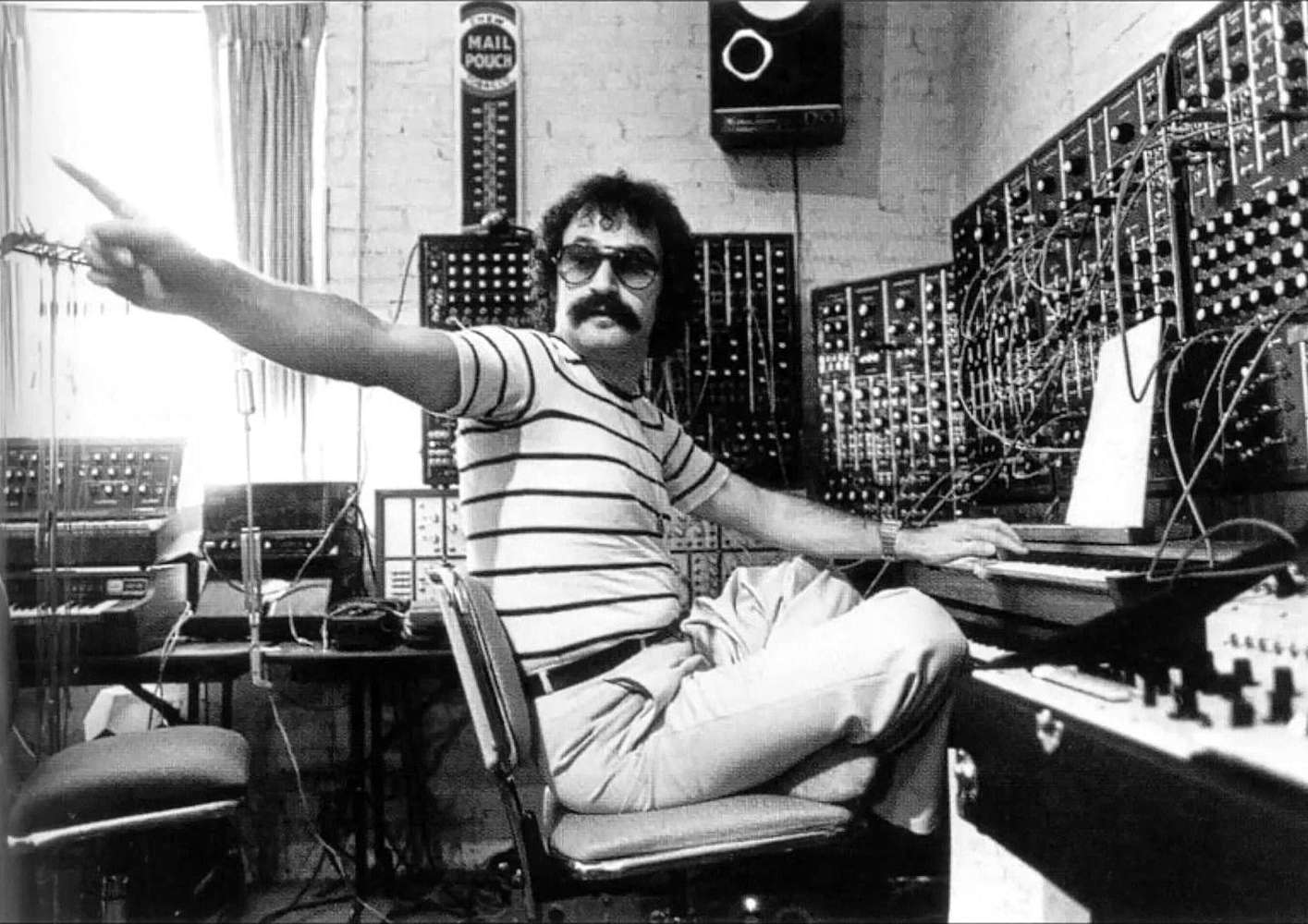
Giorgio Moroder, born Giovanni Giorgio Moroder on April 26, 1940, in Ortisei, a small town in the Val Gardena region of Italy, is widely regarded as the “Father of Disco” and one of the most influential figures in the music industry. Moroder’s pioneering work in electronic music, particularly in the 1970s and 1980s, helped shape the sound of modern pop, dance, and film music. His contributions to the music industry have earned him multiple awards, including Grammy Awards and Academy Awards, solidifying his legacy as a musical innovator.
Early Life and Musical Beginnings
Giorgio Moroder was born into a middle-class family in Ortisei, Italy. His early years were spent in a culturally rich environment, although music was not initially his primary focus. Moroder attended an art school in his hometown, followed by studies at a technical institute for surveyors in Bolzano. However, it was during his teenage years that Moroder’s passion for music began to take shape. He learned to play the guitar and, by the late 1950s and early 1960s, was performing across Europe as part of various bands, the most notable of which was The Happy Trio.
In 1967, Moroder moved to Berlin, a city that was quickly becoming a hub for experimental music. It was here that he began writing and producing demos and songs for other artists, as well as for himself. His first taste of success came with the song “Ich Sprenge Alle Ketten,” performed by Ricky Shayne. This success led Moroder to adopt the stage name Giorgio (and later George) as he began to release his own music. By 1970, Moroder had established himself in the music scene with the hit single “Looky Looky,” which he performed at the prestigious Cantagiro festival.
Rise to Fame and the Birth of Disco
Moroder’s career took a significant turn when he relocated to Munich, Germany, where he founded his first recording studio, Arabella House. It was in Munich that Moroder began to experiment with electronic music, blending it with traditional pop structures to create a new sound. His collaboration with the band Chicory Tip on the song “Son of My Father” marked one of the earliest uses of a synthesizer in a pop song, laying the groundwork for what would later become known as disco music.
The early 1970s saw Moroder crossing the Atlantic to promote his music in the United States. It was during this time that he began a fruitful collaboration with British producer Pete Bellotte. Together, they discovered and worked with Donna Summer, who would become one of the biggest stars of the disco era. Their first major hit together was “Hostage,” followed by the groundbreaking track “Love to Love You Baby” in 1975. This song, with its sensual vocals and innovative use of synthesizers, became an international sensation, propelling both Summer and Moroder to stardom.
Innovation and Influence in Electronic Music
Giorgio Moroder’s work in the late 1970s was pivotal in the evolution of electronic music. His 1977 album “From Here to Eternity” is considered one of the first fully electronic disco albums, featuring synthesized rhythms and bass lines that would become the blueprint for future dance music. The success of “I Feel Love,” another collaboration with Donna Summer, further cemented Moroder’s reputation as a pioneer of electronic music. The song’s pulsating, synthesized beat was revolutionary at the time and has since been credited with influencing a wide range of genres, from techno to house music.
Moroder’s influence extended beyond the music charts and into the world of film. In 1978, he composed the score for the movie “Midnight Express,” for which he won an Academy Award for Best Original Score. The soundtrack’s most famous piece, “The Chase,” showcased Moroder’s ability to blend electronic music with cinematic storytelling, a talent that would define much of his later work.
Film Scores and Soundtracks
The success of “Midnight Express” opened the door for Giorgio Moroder to work on numerous film soundtracks throughout the 1980s, a decade that saw him become one of Hollywood’s go-to composers. He worked on several iconic films, creating memorable soundtracks that have stood the test of time. In 1980, Moroder composed the soundtrack for “American Gigolo,” which featured the hit song “Call Me” by Blondie. This collaboration was another testament to Moroder’s ability to blend pop and electronic music with cinematic elements.
One of Moroder’s most famous contributions to film music came in 1983 with the soundtrack for “Scarface.” The film, directed by Brian De Palma and starring Al Pacino, became a cult classic, and Moroder’s music played a crucial role in its atmosphere. The following year, he won another Academy Award for his work on the soundtrack for “Flashdance.” The song “Flashdance… What a Feeling,” performed by Irene Cara, became a global hit and earned Moroder his second Oscar.
Moroder continued his successful run with the soundtrack for “Top Gun” in 1986. The film’s theme song, “Take My Breath Away,” performed by Berlin, won an Academy Award for Best Original Song, further solidifying Moroder’s status as one of the most successful film composers of his time.
Later Career and Collaborations
As the 1980s came to a close, Giorgio Moroder remained a significant figure in the music industry. In 1984, he undertook the ambitious project of re-scoring Fritz Lang’s silent film classic “Metropolis.” Moroder’s version of the film included a new soundtrack featuring contemporary artists like Freddie Mercury. Although the project received mixed reviews, it demonstrated Moroder’s willingness to push boundaries and experiment with new ideas.
Moroder also contributed to major global events, composing music for the 1984 Los Angeles Olympics and the 1988 Seoul Olympics. His work during this period also included the soundtrack for the film “Navy Seals” (1990) and the official song for the 1990 FIFA World Cup, “To Be Number One,” which was later adapted into the Italian anthem “Un’estate italiana” by Gianna Nannini and Edoardo Bennato.
In 1998, Moroder won a Grammy Award for his collaboration with Donna Summer on the song “Carry On,” a testament to his enduring influence in the music industry. He continued to receive recognition for his contributions, including being named Commendatore of the Italian Republic by President Carlo Azeglio Ciampi in 2005.
The Comeback and Continued Relevance
After a period of relative quiet in the 1990s and early 2000s, Giorgio Moroder made a triumphant return to the spotlight in the 2010s. In 2013, he collaborated with the French electronic duo Daft Punk on their album “Random Access Memories.” The album’s third track, “Giorgio by Moroder,” features Moroder narrating his journey in music, accompanied by Daft Punk’s signature electronic sound. The album was a massive success, winning the Grammy Award for Album of the Year in 2014 and introducing Moroder’s work to a new generation of listeners.
In 2015, Moroder released “Déjà Vu,” his first album of original material in 30 years. The album featured collaborations with contemporary pop stars such as Sia, Britney Spears, and Kylie Minogue, highlighting Moroder’s ability to stay relevant in a constantly evolving music landscape. The album was well-received, further cementing his legacy as a pioneer who continues to influence modern music.
Legacy and Impact
Giorgio Moroder’s impact on music and culture is undeniable. As a pioneer of electronic music and a key figure in the development of disco, his work has influenced countless artists across multiple genres. His innovative use of synthesizers and electronic instruments helped shape the sound of modern pop music, paving the way for future generations of musicians and producers.
Beyond his contributions to music, Moroder’s work in film has left an indelible mark on Hollywood. His soundtracks for films like “Scarface,” “Flashdance,” and “Top Gun” have become iconic, with many of the songs achieving classic status in their own right. Moroder’s ability to blend music with visual storytelling has made him one of the most respected and influential composers in the industry.
Moroder’s legacy is also reflected in the numerous awards and accolades he has received throughout his career. From multiple Grammy Awards to Academy Awards, his contributions have been recognized at the highest levels of the entertainment industry. In addition to his awards, Moroder has been honored with titles such as Commendatore of the Italian Republic, underscoring his influence not just in music, but in global culture.
Conclusion
Giorgio Moroder’s journey from a small town in Italy to the pinnacle of the global music industry is a testament to his talent, innovation, and enduring influence. As the “Father of Disco” and a pioneer of electronic music, Moroder has left a lasting legacy that continues to shape the sound of modern pop and dance music. His contributions to film, including some of the most iconic soundtracks of the 20th century, have further solidified his place as one of the most important figures in music history.
As we look back on Giorgio Moroder’s remarkable career, it is clear that his influence will continue to be felt for years to come. Whether through his groundbreaking work in electronic music, his unforgettable film scores, or his collaborations with contemporary artists, Moroder’s legacy is one of innovation, creativity, and timeless appeal.


