
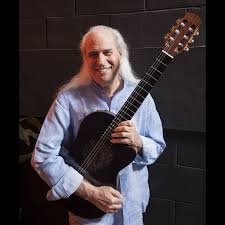
Franco Mussida, born on March 21, 1947, in Milan, Italy, is a name that resonates deeply within the world of music, particularly in the realm of progressive rock. As a virtuoso guitarist, composer, educator, and founder of the iconic band Premiata Forneria Marconi (PFM), Mussida’s contributions to music have been nothing short of extraordinary. This article delves into the life, achievements, and lasting impact of Franco Mussida, exploring his journey from a self-taught musician to a legendary figure in the Italian music scene and beyond.
Early Life and Musical Beginnings
Franco Mussida’s love affair with music began at a very young age. Growing up in a culturally rich environment in Milan, Mussida was introduced to the world of music through his father, from whom he learned to play the guitar. By the age of nine, Mussida had already developed a keen interest in the instrument, teaching himself by mimicking his father’s movements. Recognizing his talent, his parents enrolled him in private classical guitar lessons, where he honed his skills over five years. However, it was his self-taught mastery of the electric guitar that would eventually define his career.
In 1961, at the age of 14, Mussida completed his obligatory schooling and embarked on his first European tour with a band called Tutto per i Ragazzi. This early exposure to the professional music scene was instrumental in shaping his future as a musician. His experiences during this period laid the groundwork for his later successes, providing him with the technical proficiency and stage presence that would become his trademarks.
The Road to Success: Joining the Grifoni
Franco Mussida’s first taste of mainstream success came in 1967 when he joined the band Grifoni, alongside prominent Italian musicians Ricky Gianco and Gian Pieretti. The group quickly gained recognition with their Italian version of Michel Polnareff’s hit song “La bambolina.” Mussida’s involvement with Grifoni marked the beginning of his rise in the Italian music industry, establishing him as a talented guitarist and a promising young artist.
Between 1968 and 1969, Mussida took a brief hiatus from music to fulfill his mandatory military service in the Italian Navy. Upon his return, he rejoined Grifoni and simultaneously worked as a session musician. This period of his career saw him collaborate with some of the most iconic figures in Italian music, including Lucio Battisti, Paolo Conte, Angelo Branduardi, Fabrizio De André, Francesco Guccini, Albano Carrisi, and renowned bands like the Camaleonti and Nomadi. Mussida’s work as a session musician further solidified his reputation as a versatile and skilled guitarist, capable of seamlessly transitioning between different musical styles.
The Birth of Premiata Forneria Marconi (PFM)
In 1971, Franco Mussida co-founded Premiata Forneria Marconi (PFM), a band that would go on to become one of the most influential progressive rock groups in Italy and internationally. The band was initially formed under the name Krel, with fellow musicians Franz Di Cioccio and Mauro Pagani. However, it was as PFM that the group truly found their identity and sound.
PFM’s early success can be attributed to their innovative approach to music, blending classical influences with rock, jazz, and folk elements. Mussida’s guitar work was a key component of the band’s distinctive sound, characterized by intricate melodies, complex harmonies, and virtuosic solos. One of their earliest hits, “La Carrozza di Hans,” won the top prize at the Festival di Avanguardia e Nuove Tendenze in Viareggio, establishing PFM as a force to be reckoned with in the Italian music scene.
In 1972, PFM released their debut album, Storia di un minuto, which was followed by Per un amico later that year. These albums showcased the band’s musical prowess and cemented their status as pioneers of Italian progressive rock. Over the next few years, PFM continued to release critically acclaimed albums, including Photos of Ghosts (1973), L’isola di niente (1974), and The World Became the World (1974), which helped them gain international recognition. Mussida’s contributions as a guitarist, composer, and lyricist were instrumental in shaping the band’s sound and success during this period.
The Golden Era of PFM
The mid-1970s marked the golden era of Premiata Forneria Marconi. With albums like Chocolate Kings (1975), Jet Lag (1977), and Passpartù (1978), PFM solidified their place as one of the leading progressive rock bands in the world. Mussida’s guitar playing, characterized by its technical brilliance and emotional depth, was a defining feature of these albums. His ability to blend classical guitar techniques with rock elements created a unique sound that set PFM apart from their contemporaries.
During this period, PFM also embarked on several international tours, performing in Europe, North America, and Japan. Their live performances were lauded for their energy, musicianship, and the seamless interplay between band members. Mussida’s stage presence and virtuosity were highlights of these performances, earning him acclaim from fans and critics alike.
The 1980s: A Period of Transition
The 1980s were a period of transition for Franco Mussida and Premiata Forneria Marconi. As musical trends shifted and the popularity of progressive rock waned, PFM adapted their sound to stay relevant. Albums like Suonare suonare (1980), Come ti va in riva alla città (1981), PFM? PFM! (1984), and Miss Baker (1987) reflected this evolution, incorporating elements of pop, jazz, and electronic music.
Despite these changes, Mussida remained committed to his artistic vision, continuing to push the boundaries of his craft. However, by the mid-1980s, the members of PFM began to pursue individual projects, leading to a temporary hiatus for the band. Mussida, ever the innovator, used this time to explore new avenues in music education and social work.
In 1984, Mussida founded the Centro Professione Musica (CPM) in Milan, an institution dedicated to training aspiring musicians and fostering a deeper understanding of music. The CPM became a hub for young musicians seeking to develop their skills and pursue careers in the music industry. Mussida’s commitment to music education extended beyond the classroom; he also worked with inmates in prisons, using music as a tool for rehabilitation and social reintegration. His efforts in this field culminated in the release of his solo album I racconti della Tenda Rossa (1993), which was inspired by his experiences working with incarcerated individuals.
The 1990s: A Return to PFM and New Endeavors
The 1990s saw Franco Mussida return to Premiata Forneria Marconi, reuniting with his bandmates to release the album Ulisse (1997). This reunion was a significant moment for both the band and their fans, as it marked the continuation of PFM’s legacy. The album was well-received, and the band resumed touring, bringing their music to a new generation of listeners.
In addition to his work with PFM, Mussida continued to explore new creative avenues. In 1996, he collaborated with the United Nations High Commissioner for Refugees (UNHCR) to organize a fundraising project. This initiative led to the production of the album Fatto per un mondo migliore, which featured contributions from notable Italian artists such as Samuele Bersani, Angelo Branduardi, Fabrizio De André, Fabio Concato, and Eugenio Finardi. The project underscored Mussida’s commitment to using music as a means of promoting social change and supporting humanitarian causes.
In 1997, Mussida composed the Sinfonia Popolare per 1000 Chitarre, a monumental work that brought together over 1,000 guitarists for a live performance in Piazza Bra, Verona. The piece was later performed in Milan’s Piazza Duomo by an even larger ensemble of 1,350 musicians. This ambitious project was a celebration of music’s unifying power, bridging the gap between professional musicians, amateurs, and students.
The 2000s: Continued Success and New Ventures
As the new millennium began, Franco Mussida and PFM continued to create and perform music that resonated with audiences around the world. In 2000, the band released Serendipity, followed by Dracula Opera Rock (2005) and Stati di immaginazione (2006). These albums demonstrated the band’s ability to evolve with the times while staying true to their roots.
Mussida also expanded his creative pursuits beyond music, venturing into the world of theater and visual arts. In 2010, he composed the score for Alessandro D’Alatri’s theatrical adaptation of Ingmar Bergman’s Scenes from a Marriage. His foray into visual arts led to the creation of the Padelloni, ceramic sculptures inspired by vinyl records, which were exhibited at various galleries and art institutions.
In 2013, Mussida published the book La Musica ignorata, which explored the relationship between musicians and the music they create. That same year, he received the prestigious “Lorenzo il Magnifico” award at the IX Florence Biennale, recognizing his contributions to the arts.
Legacy and Influence
Franco Mussida’s legacy as a musician, educator, and artist is profound and far-reaching. His work with Premiata Forneria Marconi has left an indelible mark on the history of progressive rock, influencing countless musicians and shaping the genre’s development. Mussida’s dedication to music education and social initiatives has also had a lasting impact, inspiring a new generation of artists to use their talents for the greater good.
Throughout his career, Mussida has remained committed to pushing the boundaries of his craft, exploring new creative avenues, and using music as a tool for personal and social transformation. His contributions to the world of music and the arts are a testament to his talent, vision, and unwavering dedication to his craft.
Conclusion
Franco Mussida’s journey from a self-taught guitarist in Milan to a revered figure in the world of progressive rock is a story of passion, perseverance, and innovation. His work with Premiata Forneria Marconi, along with his solo projects, educational endeavors, and artistic pursuits, have left an indelible mark on the world of music and beyond. As Mussida continues to create and inspire, his legacy as a musician, educator, and artist will undoubtedly continue to resonate for generations to come.


