
Introduction
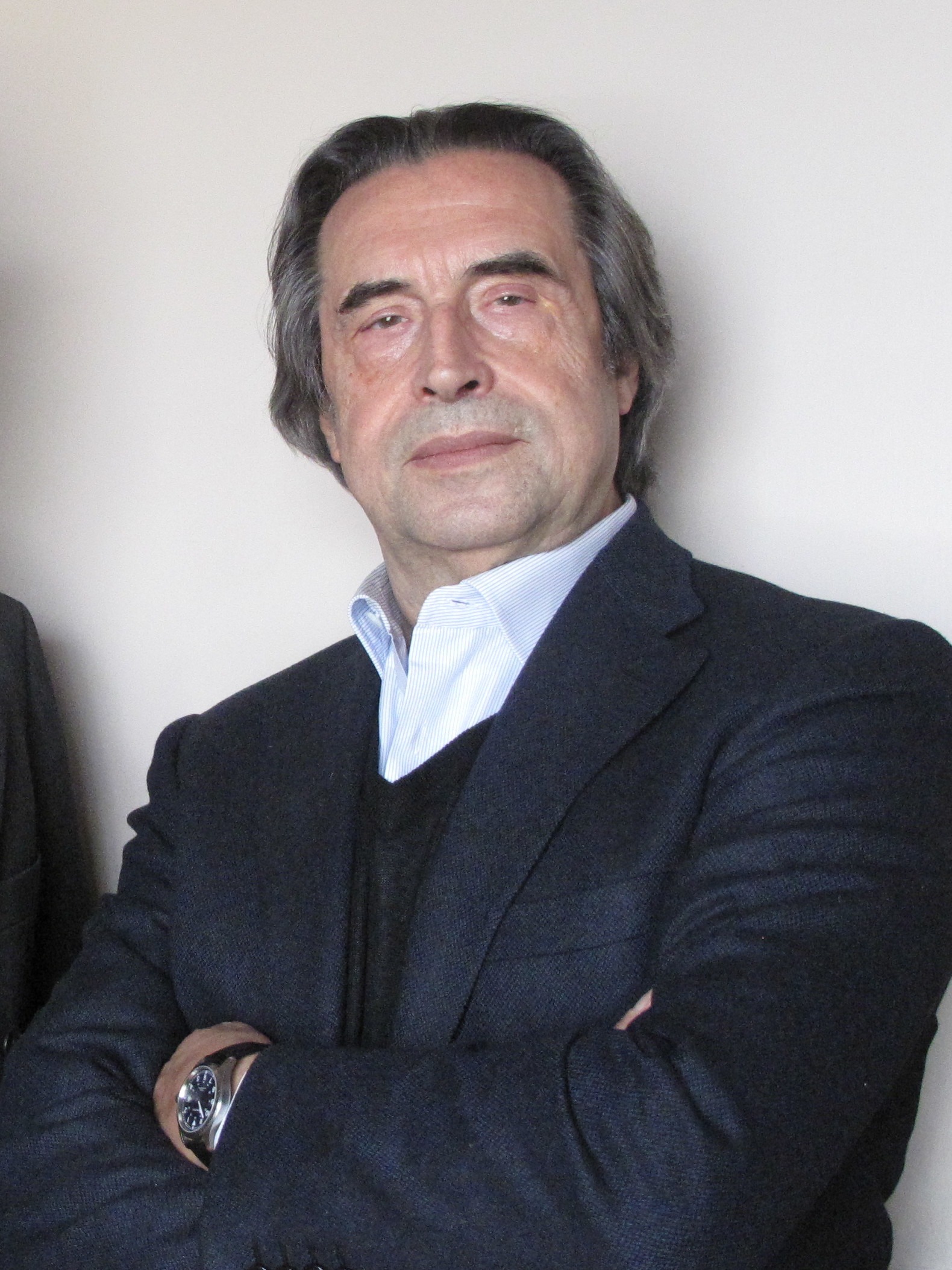
Riccardo Muti, born on July 28, 1941, in Naples, Italy, is a renowned conductor whose illustrious career has spanned over six decades. Celebrated for his profound interpretations and meticulous approach to music, Muti has become one of the leading figures in classical music. His influence extends beyond the concert hall, shaping the way orchestral music is perceived and performed worldwide. This article delves into Muti’s life, his significant contributions to classical music, and his enduring impact on the global music scene.
Early Life and Musical Education
Riccardo Muti’s early life was marked by a profound connection to music. Born into a family with modest means, Muti’s parents recognized and nurtured his musical talent from a young age. His father, an amateur musician, and his mother encouraged his early interest in music, leading him to study at the Conservatorio Giuseppe Verdi in Milan.
Muti’s education at the conservatory was instrumental in shaping his future career. He studied composition under the guidance of the renowned composer Bruno Maderna and conducting with Antonino Votto. These formative years provided Muti with a solid foundation in classical music, allowing him to develop his unique conducting style and approach. His education not only equipped him with technical skills but also instilled in him a deep understanding of musical interpretation and orchestral dynamics.
Rise to Prominence
Muti’s rise to prominence began in the early 1970s when he won the prestigious Herbert von Karajan Conducting Competition in Berlin. This victory was a significant milestone in his career, leading to opportunities to conduct major orchestras across Europe. His early performances were marked by a distinctive interpretative style that quickly garnered attention and acclaim.
In 1971, Muti made his debut at La Scala, one of the most prestigious opera houses in the world. His success at La Scala was followed by a series of high-profile engagements, including performances with the Berlin Philharmonic, the Vienna Philharmonic, and the London Symphony Orchestra. Muti’s ability to bring out the best in orchestras and his innovative approach to classical music set him apart as a leading conductor of his generation.
Significant Achievements
Riccardo Muti’s career is distinguished by a series of remarkable achievements. One of his most notable roles was as the Music Director of the Chicago Symphony Orchestra, a position he held from 1983 to 1991. During his tenure, Muti’s leadership transformed the orchestra, enhancing its reputation for excellence and establishing it as one of the leading orchestras in the world. His tenure at the Chicago Symphony Orchestra was marked by critically acclaimed performances and recordings, solidifying his status as a preeminent conductor.
Another significant achievement in Muti’s career was his tenure as the Music Director of La Scala from 1986 to 2005. Under his leadership, La Scala experienced a renaissance, with Muti’s interpretations of operatic works receiving widespread acclaim. His contributions to La Scala included memorable productions of Verdi’s operas and innovative programming that expanded the repertoire of the opera house.
Muti’s discography is extensive and includes recordings with some of the world’s leading orchestras and opera houses. His interpretations of works by composers such as Verdi, Beethoven, and Mozart are highly regarded for their depth and insight. Muti’s recordings have earned him numerous accolades, including Grammy Awards and international recognition for his contributions to classical music.
International Influence and Collaborations
Riccardo Muti’s influence extends far beyond his work with individual orchestras and opera houses. His international reputation has led to collaborations with leading musicians and composers from around the world. Muti has worked with prominent conductors, soloists, and composers, contributing to a diverse range of musical projects.
One of the key aspects of Muti’s international influence is his commitment to cultural exchange and collaboration. He has been involved in various international music festivals and educational programs, fostering a global appreciation for classical music. Muti’s efforts to promote cultural understanding through music have made him a respected figure in the international music community.
Challenges and Controversies
Despite his many achievements, Riccardo Muti’s career has not been without its challenges and controversies. His tenure at La Scala was marked by several high-profile disagreements and conflicts, including disputes with the opera house’s administration and fellow musicians. These challenges sometimes overshadowed his artistic achievements, but Muti’s commitment to his craft and his resilience in the face of adversity remained steadfast.
In recent years, Muti has faced scrutiny and criticism related to his approach to conducting and his public statements. However, his contributions to classical music and his influence on the field have continued to be recognized and celebrated. Muti’s ability to navigate these challenges while maintaining his artistic integrity is a testament to his dedication to his art.
Personal Life and Legacy
Riccardo Muti’s personal life is marked by his commitment to his family and his passion for music. He is married to his wife, a former violinist, and they have two children. Muti’s family has played a significant role in supporting his career and providing him with a strong foundation for his work.
Muti’s legacy in the world of classical music is profound. His contributions to orchestral and operatic music have left an indelible mark on the field, and his influence continues to be felt by musicians and audiences alike. His innovative approach to conducting and his dedication to musical excellence have set a high standard for future generations of conductors.
As Muti approaches his 83rd birthday, his impact on classical music remains significant. His continued involvement in international music projects and his ongoing commitment to his craft ensure that his legacy will endure for years to come. Muti’s career serves as an inspiration to aspiring musicians and a reminder of the power of music to transcend boundaries and connect people across cultures.
Conclusion
Riccardo Muti’s journey from a young musician in Naples to a world-renowned conductor is a story of talent, perseverance, and artistic vision. His career highlights include transformative tenures with the Chicago Symphony Orchestra and La Scala, as well as a rich discography that showcases his interpretative brilliance. Muti’s influence on classical music is undeniable, and his legacy continues to inspire and enrich the world of music.
As Riccardo Muti continues to shape the future of classical music, his contributions to the field remain a testament to his dedication and passion. His impact on the music world and his enduring legacy ensure that he will be remembered as one of the great conductors of our time.


